

I love romance as much as the next person.
Romance is so central to Sense and Sensibility that going in, I expected to be entirely consumed by the courting, the heartbreak and the inevitable yearning that comes with a Jane Austen story.
And I was. I absolutely swooned, squealed and devoured every single second of the romantic drama.
But what I didn’t anticipate was where the real emotional damage would come from. The parts of the story that made me cry had almost nothing to do with the men. They were all about the sisters.
I knew going in that the story revolves around Elinor and Marianne Dashwood, but I was shocked by just how detailed, specific and uncomfortably accurate the writing of their relationship felt.
Some of that dialogue felt like it was pulled straight out of my own mouth.
Watch: Sense and Sensibility Official Trailer. Article continues after video.
Video via YouTube/Focus Features
The peak of that tension plays out in a suffocating London drawing room, right after Marianne has been brutally snubbed and abandoned by Willoughby.
Devastated and defensive, Marianne completely shuts down. But what she doesn’t know is that Elinor is secretly nursing her own shattered heart, silently bearing the agonising secret that the man she loves is engaged to someone else.
When Elinor gently tries to encourage her sister to exercise a little composure for the family’s sake, the non-communicative silence explodes. Feeling judged and exposed, Marianne snaps and lashes out with a line that hits so hard, accusing Elinor of “always being right.”
As a younger sister, that sentiment rang so deeply, excruciatingly true.
There is something so relatable about always feeling like the messy, unhinged sibling and wanting to hide your mistakes from your older sister simply because of how put-together she seems.
I’ve personally made so many missteps in my life while knowing full well what my older sister’s advice would be, and knowing, deep down, that she would be completely right about it all.
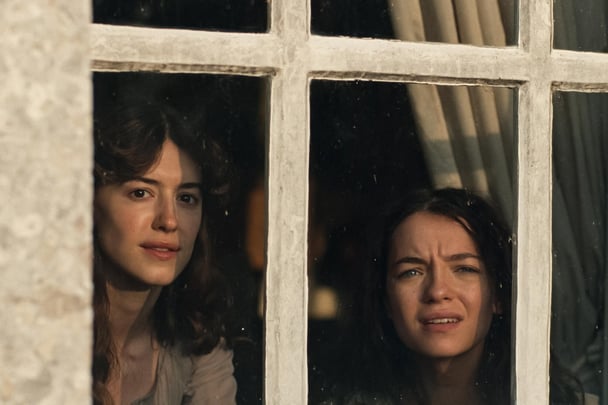
Image: Focus Features
From a younger sibling’s perspective, there’s this running narrative that your older sister can do no wrong.
She’s the golden child, the perfect trailblazer who didn’t just do everything first, but somehow did it better. She handles crises with poise, navigates life with an enviable composure and always figures things out.
Everyone looks up to her. Including you.
And while it is undoubtedly one of the most comforting, special relationships in your life, leaning on and admiring someone doesn’t come without its challenges.
It creates a complicated, tangled web of emotions: in some instances, you desperately want to confide in your sister, but you’re held back by a toxic mix of pride and fear.
You don’t want to disappoint her, nor do you want to give her the satisfaction of proving her right. Sometimes, you would rather carry the burden alone than admit you failed where she would have succeeded.

Image: Focus Features
At the same time, watching Sense and Sensibility forces you to see the devastating flip side of that dynamic.
Being the older sister means feeling forced to hide your own pain so you can play the part of the strong one. It means soothing everyone else’s feelings before you even acknowledge your own, constantly striving for perfection and carrying the heavy weight of responsibility for your younger sibling’s emotional well-being.
That dynamic plays out in a way that is both heartbreaking and relatable.
When Marianne falls physically ill following her devastating breakup, Elinor initially brushes off her behaviour as dramatic flair. But as Marianne’s condition turns life-threatening, watching Elinor unravel with devastation and guilt is a punch in the gut.
The relationship between sisters is so unique. It’s equal parts fiercely protective and deeply complicated. It’s rare to see that nuance captured without sugarcoating it, which is why seeing it portrayed on screen with such honesty feels like such a pleasant surprise.
Sense and Sensibility might be famous for its love stories, but its true soul is the mirror it holds up to sisterhood: the pride, the pressure, the sacrifices and the unspoken love that binds us together, even when we can’t stand to admit the other is right.
Feature Image: Focus Features.