
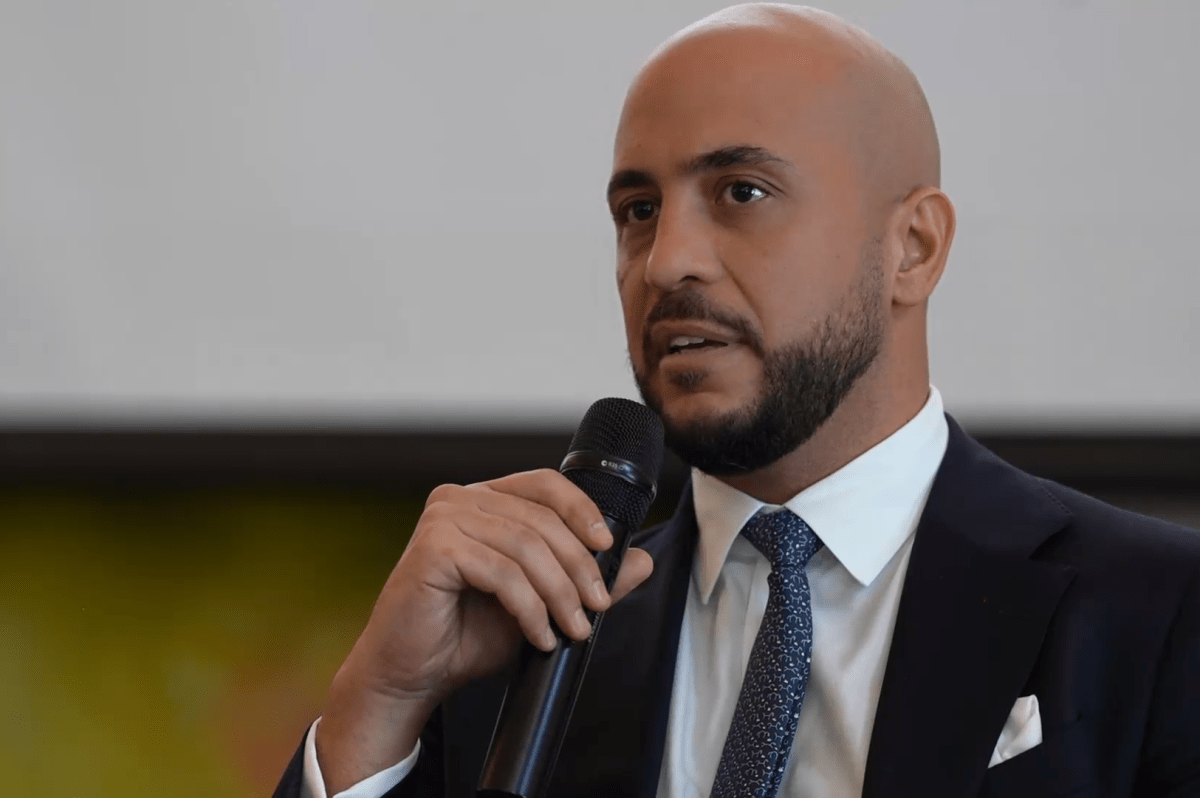
A family’s wealth structure may sit in one jurisdiction while its business, bank accounts and beneficiaries span several others. Joy Lahoud, Managing Director, UAE at Cone Marshall Group, used his In The Hubbis Hot Seat session at the Hubbis Wealth Planning & Structuring Forum – Dubai 2026 to explain why those connections require coordinated advice from the outset.
His starting point was a change in what families need from a structure. As reporting and tax scrutiny increase, the emphasis moves towards arrangements that can withstand scrutiny across the countries involved. For Lahoud, the fiduciary’s role includes bringing the relevant advisers together so that the structure works for the family as a whole.
Key Takeaways
Structures Must Withstand Scrutiny: Lahoud argued that families increasingly need arrangements whose purpose and operation can be explained to the authorities reviewing them.
One Family Can Engage Several Legal Systems: Residence, banking, business ownership and beneficiaries may each introduce different planning requirements.
Coordination Is Part of the Service: Bankers, lawyers, tax advisers and fiduciaries need to assess how their respective responsibilities connect.
Foundation Documents Deserve Care: Charters and bylaws need proper drafting to support the intended governance and reduce the scope for disputes.
A Different Question About Structuring
Lahoud described an evolution in the questions families ask when selecting a jurisdiction. Earlier discussions focused on privacy and, subsequently, on the extent of powers a founder could retain. Today, he suggested, the more pressing issue is whether a structure will stand up when tax authorities can see it.
He referred to the Common Reporting Standard and the introduction of UAE corporate tax as reasons to consider reporting and tax analysis from the beginning. The practical task is to understand the family’s position and design an arrangement that can be supported in the jurisdictions concerned.
Cone Marshall’s proposition, as he presented it, brings a lawyer-led, privately owned fiduciary group into that process. He highlighted its international presence and operations in the Dubai International Financial Centre and Abu Dhabi Global Market.
Planning Around an International Family
To illustrate the challenge, Lahoud outlined a family whose founder had built a business in Asia and moved to Dubai, with wealth banked in Switzerland and children studying in the United States. The example raised several connected questions: what happens to the business and accounts when the founder dies, and how should the children’s potential US tax exposure be addressed?
The children’s US tax position would depend on their individual circumstances. His example illustrated why their position needs to be examined alongside those of the founder, the assets and the proposed structure.
He described a possible UAE foundation holding two special purpose vehicles, separating the private account from the operating business. The arrangement illustrated the need for coordinated assessment; its suitability would depend on the family and the rules applying to each part.
“Families are no longer selecting one jurisdiction,” Lahoud said, “but rather they are structuring across multiple jurisdictions”. He called this approach “jurisdiction stacking”.
Connecting the Advisers and the Documents
In that example, the bankers would address account reporting, UAE tax advisers would assess corporate-tax treatment, US counsel would consider distributions to the relevant beneficiaries, and counsel in Asia would review the position of the business and its ownership.
Lahoud placed the corporate service provider within that network, with responsibilities that extend beyond setting up the entity. Accessibility to a structure also brings accountability for how it is administered.
He stressed the importance of properly drafted foundation charters and bylaws. The documents need to support the intended governance and reduce the risk that unclear drafting becomes the source of a family dispute.
His closing proposition was one of coordination: different professionals see different aspects of the family’s affairs, and the value lies in connecting those perspectives to identify the appropriate tool. That may require recommending an approach beyond the provider’s usual offering.