
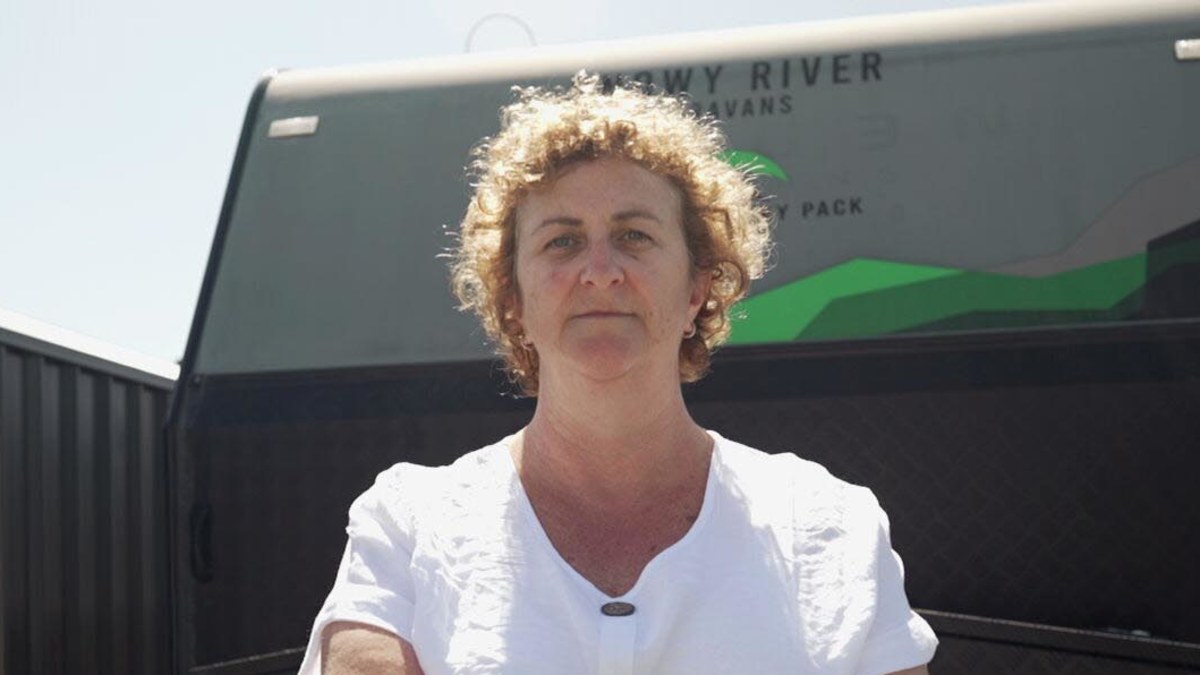
Long before $3.4 billion in debt brought down one of Australia’s largest residential property empires, Craig Walker saw the cracks forming from the inside.
As a former site foreman for Western Sydney developer Bathla Group, Walker witnessed firsthand the aggressive cost-cutting culture that preceded one of the most catastrophic corporate failures in Australian housing history.
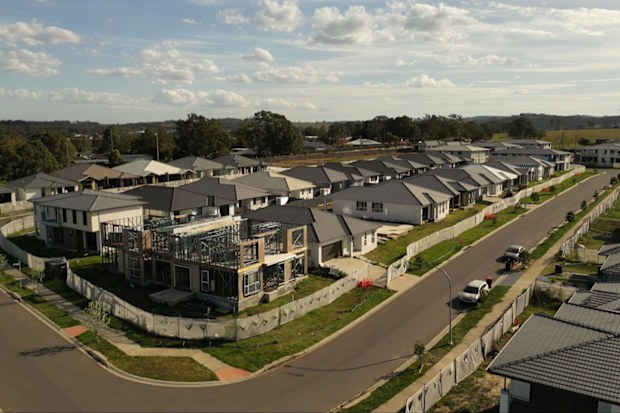
Western Sydney developer Bathla Group collapsed. Nine
Now, as administrators wade through a tangled web of 500 subsidiaries, 200 stalled projects, and a pipeline of thousands of unfinished homes across New South Wales and Victoria, Walker is speaking out about the internal reality of an empire built on sand.
“It didn’t surprise me one bit,” Walker says of the collapse.
“I was a bit surprised Bathla was even running at all this many years later.
“There were systemic problems right through everything they touched. I thought they would have been reined in long before this.”

At the centre of Bathla’s rapid expansion was former taxi driver Bhart Bhushan. Nine
At the centre of Bathla’s rapid expansion was former taxi driver Bhart Bhushan.
Under his leadership, the developer transformed from a budget builder into a dominant force in Sydney’s growth corridors, churning out low-cost townhouses and apartments at a breakneck pace.
Inside the company’s headquarters, Walker describes an environment dominated by uncritical devotion to the founder.
“It was almost like they worshipped him,” Walker reveals.
“It was like he was a God. They bowed down to him.”
That authority created a workplace culture where speed and profit margins routinely eclipsed standard quality control and structural integrity.
“If they thought they could get away with not doing something to save money, that was the first option,” Walker says.
According to Walker, his attempts to raise red flags were quickly shut down by management.
When Walker sought out a meeting with Bhushan to address escalating site concerns and compromised construction standards, he was immediately silenced by senior staff.
“I started getting wound up a bit, and that’s when I was sort of hushed,” Walker recalls.
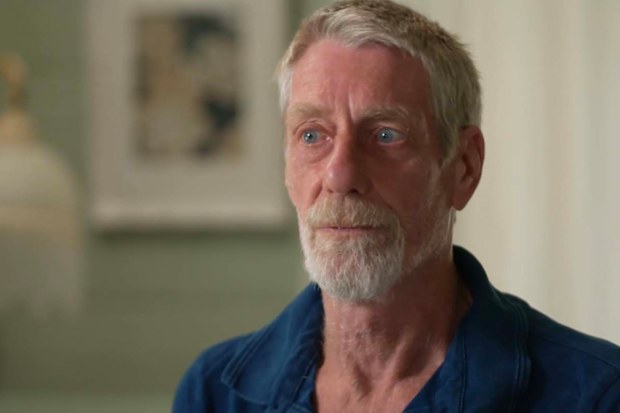
Long before $3.4 billion in debt brought down one of Australia’s largest residential property empires, Craig Walker saw the cracks forming from the inside. Nine
“Like, ‘Don’t talk to him like that.'”
The message from management was clear: keep the conveyor belt moving at all costs.
“I was pretty well told to get on with it, get it finished, move on to the next one,” Walker says.
As mainstream commercial banks began blacklisting Bathla over improper lending practices — including signing up vulnerable buyers and refugees to mortgages they couldn’t afford — the enterprise relied heavily on high-interest private credit and constant drives for external investment.
Walker recalls how he was instructed to help stage the appearance of seamless operations whenever potential funders were brought on site.
“They were constantly on the lookout for investors,” Walker says.
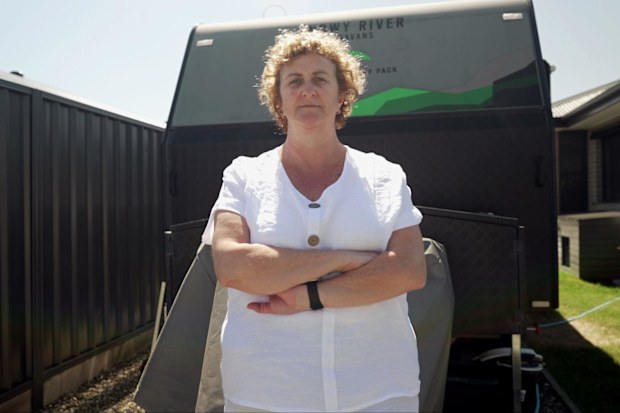
Deanne is living in a caravan as she can’t get into her new house. Nine
“I’d be asked to pick a unit that was close to completion or the best-looking unit there, so they could take these people in and say, ‘This is what we’re doing. Come in and invest with us.'”
Behind the curated walk-throughs, however, the financial over-leveraging was reaching a breaking point.
When private lenders reined in their exposure, the house of cards folded—leaving sub-contractors unpaid, 60 per cent of Bathla’s workforce terminated, and thousands of buyers stranded.
While thousands of everyday Australians like Deanne—a retiree currently living in a caravan while her padlocked duplex sits half-finished—are locked out of their properties, the lifestyle of those at the top remains largely insulated.
While liquidators clear out Bathla’s headquarters, properties tied to the family, including a $5 million estate in Dural undergoing renovations and plans for a multi-storey mansion in Mount Vernon complete with an eight-car underground garage, remain intact.
For Walker, seeing the fallout for buyers and the contrast in living conditions is the painful realisation of warnings that went unheeded for years.
“They wanted to be seen as a quality developer,” Walker says.
“And at the end of the day, it wasn’t the reality. It wasn’t the reality at all.”