
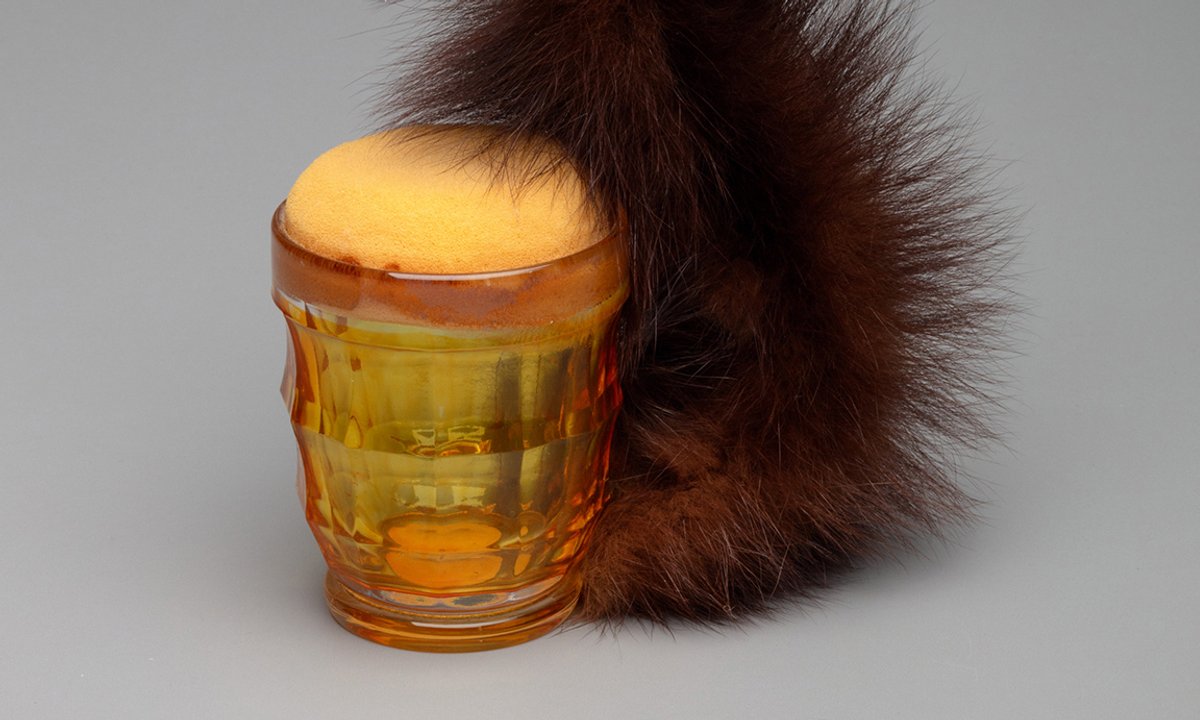
Squirrel (1960, edition 1969) by Meret Oppenheim
Detroit Institute of Arts
Meret Oppenheim’s playful Squirrel, an assisted readymade first created in 1960 and produced as an edition in 1969, is one of more than 2,000 Modern and contemporary works of art that have been donated to the Detroit Institute of Arts (DIA) by the estate of the property developer and art collector Gilbert B. Silverman and his wife Lila. The scope is enormous, reflecting the Silvermans’ eclectic tastes, ranging from decorative arts and jewellery to performance pieces and time-based media, though there is a particular focus on works by Fluxus artists from the 1960s and 70s such as Joseph Beuys, George Maciunas and Yoko Ono, among others. These items join 130 other Fluxus works that were given to the DIA by the Silvermans’ foundation in 2008.
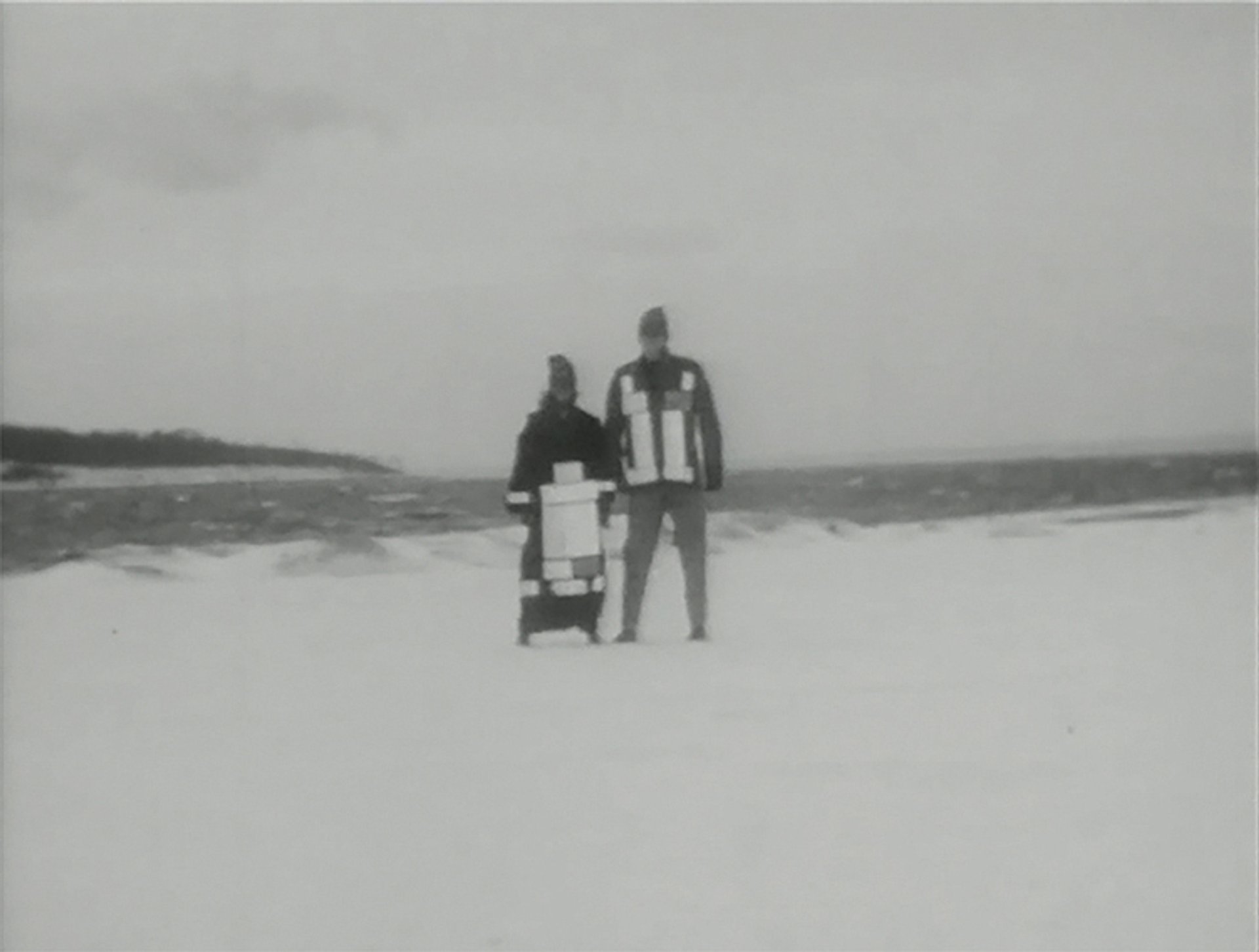
Wind (1968) by Joan Jonas
Courtesy of The Gund at Kenyon College and the Smithsonian’s Hirshhorn Museum and Sculpture Garden
Wind (1968) by Joan Jonas
The Gund at Kenyon College, Gambier, Ohio, and the Smithsonian’s Hirshhorn Museum and Sculpture Garden, Washington, DC
Wind is one of two works by the American performance artist Joan Jonas (born 1936) that have been jointly acquired by The Gund and Hirshhorn, using funds donated by Agnes Gund and the Joseph H. Hirshhorn Purchase Fund. Wind, a silent black-and-white film and one of Jonas’s first collaborations with dancers, shows a group of performers battling strong winds on a snowy beach. Playing with ideas of perception, reality and viewer participation, it features two performers wearing mirrored costumes. Mirrors are integral to the other acquired work, Mirror Pieces Installation II (1969/2014). This multimedia piece centres on mirrors that both reflect the viewer and a television playing another of Jonas’s filmed performances, Nudes with Mirrors (1969), showing a man donning and taking off a mirrored jacket in front of yet more mirrors held by other performers.
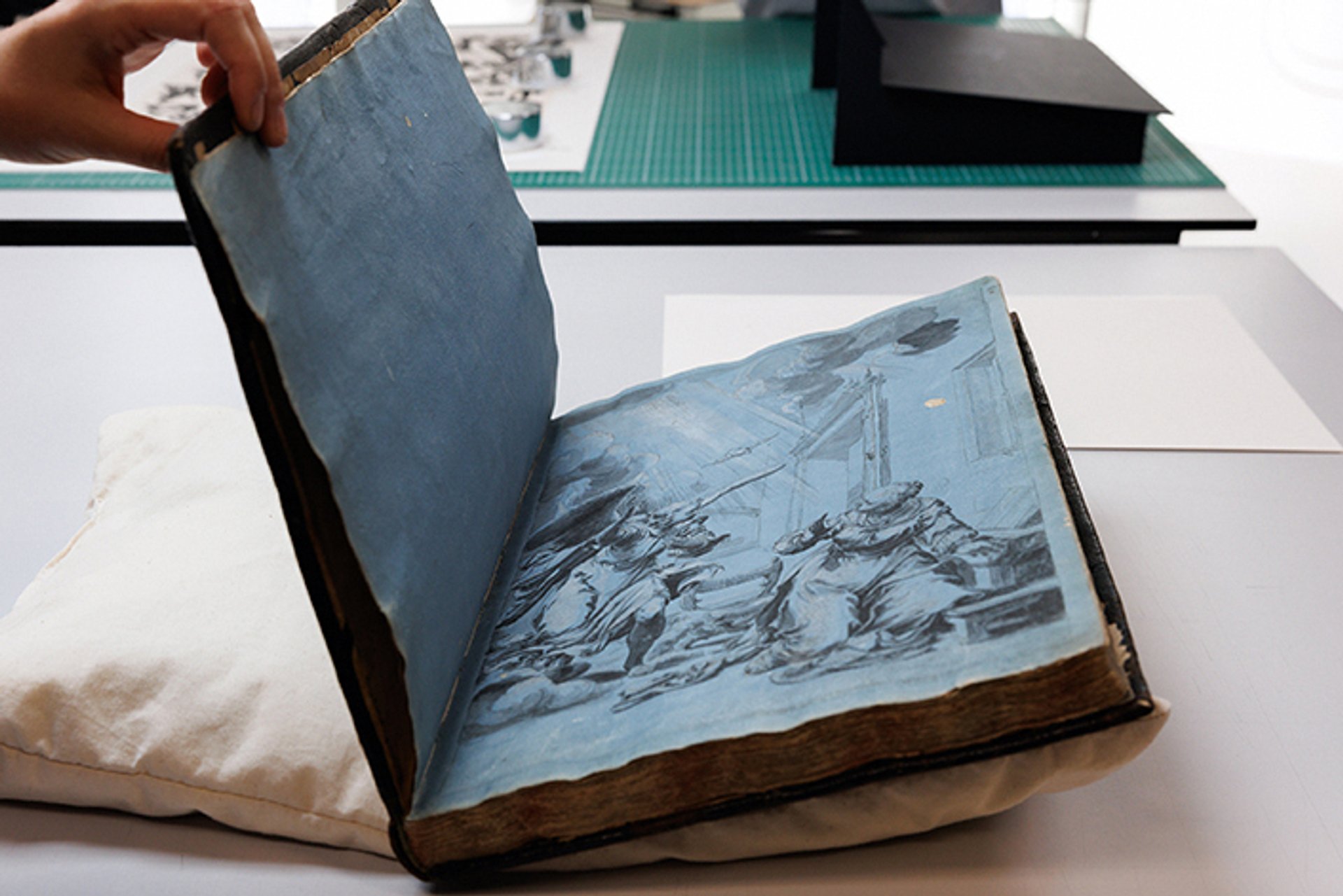
The Van Eeghen drawing book (17th century)
Courtesy of Rijksmuseum
The Van Eeghen drawing book (17th century)
Rijksmuseum, Amsterdam
Although successful in his lifetime, the Dutch artist Rombout Uylenburgh (around 1580–around 1627) fell into relative obscurity after his death, and few of his works survive. However, the rediscovery of this book of around 30 drawings by Uylenburgh and his workshop significantly adds to his oeuvre. The book has been donated to the Rijksmuseum by the Van Eeghen family, which has owned it for more than three centuries, though it was only around 20 years ago that the link to Uylenburgh was made. The book includes fully worked biblical scenes alongside quicker informal sketches of, for example, birds and animals. Most books of drawings from the period have been broken up, the sheets sold off separately, so this is a rarity and, having barely been exposed to light, the colours remain remarkably fresh.