
The Reserve Bank has warned the full force of recent interest rate rises has not yet flowed through the economy, even as it acknowledged the pressure already bearing down on Australian households.
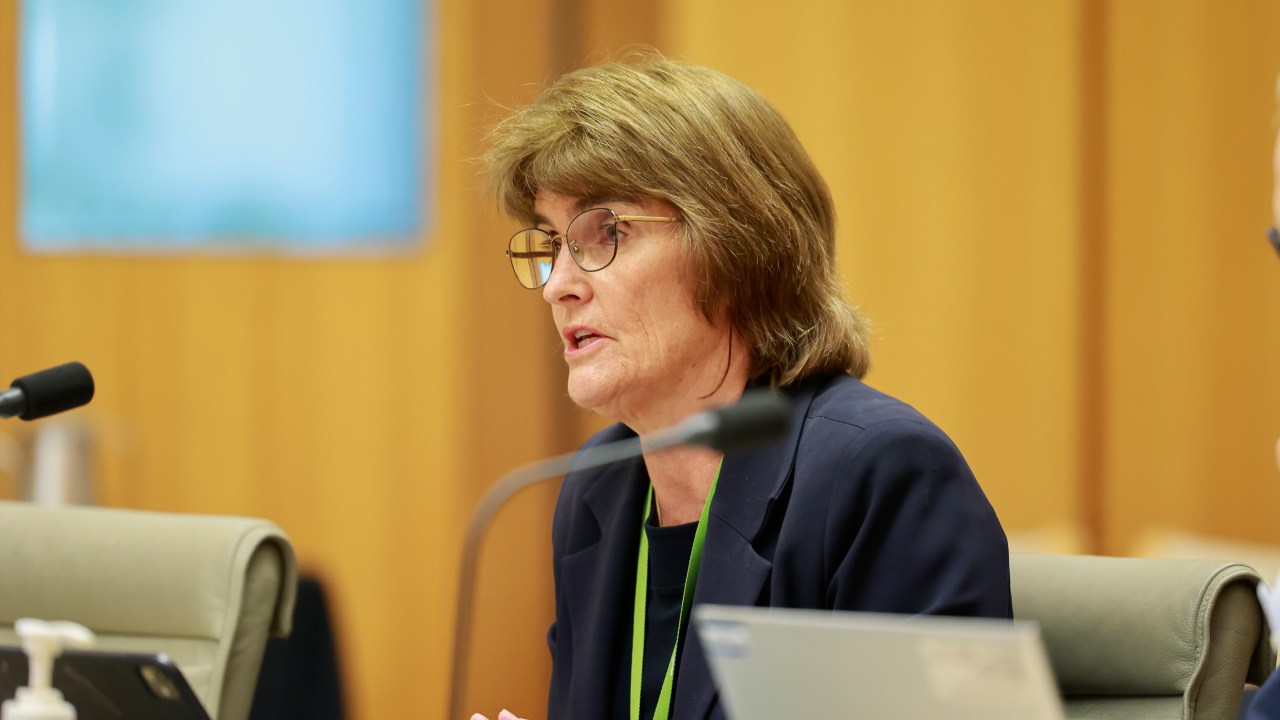
Speaking to a Senate committee on Wednesday, Governor Michele Bullock said monetary policy was still working its way through domestic activity with the delayed effects of earlier tightening yet to be fully felt.
While household spending growth has been slowing, she said the moderation had been only gradual, suggesting inflation pressures may take longer to subside.
“Because monetary policy works with a lag, the full effects of recent rate increases are yet to be felt on domestic activity,” Ms Bullock said.

Her remarks are likely to keep borrowers on edge ahead of next week’s Monetary Policy Board meeting when the central bank will weigh whether interest rates are already restrictive enough to bring inflation back to target.
Ms Bullock’s comments come as the ABS released its latest data showing the inflation jumped to 4.3 per cent, above market expectations of 4.2 per cent.
The jump points to a likely fifth interest rate rise this year.
For households already stretched by high mortgage repayments, the result all but ensures borrowing costs will rise again in coming months.
Bullock said conditions in the housing market had softened, reflecting both the normal impact of higher interest rates and broader factors including tax policy changes and the wider economic backdrop.
Housing prices have fallen in most capital cities and new housing lending has declined, though she noted this followed a long stretch of strong gains supported by a structural undersupply of homes.
Even after the recent pull-back, she said housing prices remain around 50 per cent higher than they were in early 2020.
The governor also sought to reassure lawmakers that broader financial stability risks remain contained.
Although many households are under budget pressure, only a small share of borrowers are in negative equity or facing severe repayment difficulty.
“I recognise how challenging it is for those experiencing these issues,” Ms Bullock said.
She stressed that the Reserve Bank does not target housing prices directly even though rising rates are expected to affect them.
Instead, the bank’s focus remains on how changes in housing conditions influence economic activity, employment and inflation.
Ms Bullock added the labour market remained resilient with the share of Australians in work still high, while business investment had picked up strongly, led by spending on data centres and renewable energy projects.
By contrast, the impact of the Middle East conflict on overall economic activity had so far been relatively modest, despite its contribution to higher global energy prices.
The Reserve Bank board will meet next week with inflation still above target and the path back to price stability uncertain.
Ms Bullock said policymakers would review incoming data and assess whether the tightening delivered so far would be enough.
“We are committed to our mandate to deliver price stability and full employment,” she said.
She also defended the need for firm action against inflation, arguing that persistent price growth would do more lasting damage than higher borrowing costs alone.
“High inflation hurts everyone,” Bullock said.
“It means higher grocery costs, higher rent, and higher electricity bills. It makes everyone’s pay packets and savings worth less.”