
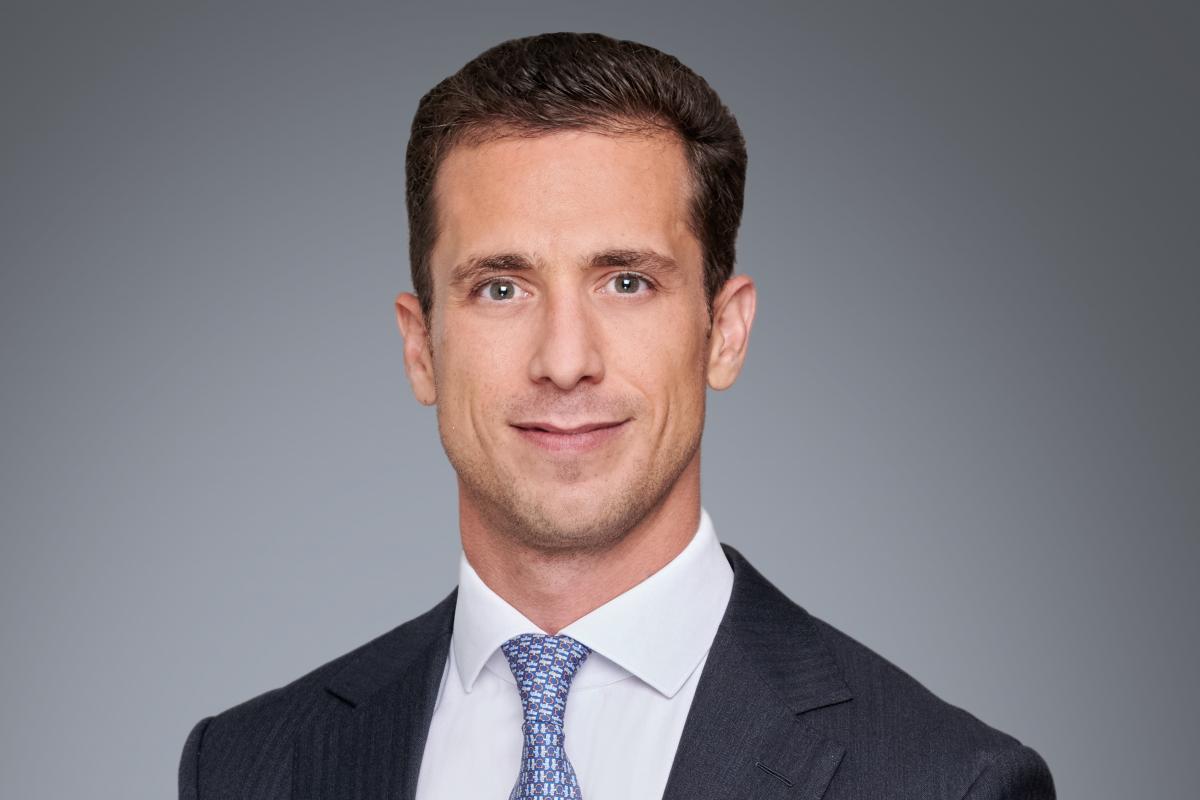
Clients can now use artificial intelligence (AI) to test investment ideas and analyse their portfolios before an adviser has finished explaining them. Yan D’Aloia Genhart sees that scrutiny as a reason to strengthen portfolio advice, with greater emphasis on allocation, conviction and the decisions clients make under pressure.
Speaking on the final panel at the Hubbis Digital Wealth Forum Singapore 2026 on 21 October, Yan, Head of Investment Advisory, Asia at Lombard Odier, discussed the changing value of the wealth relationship. His argument centered on how advisers use a familiar product shelf, rather than whether they can offer a different one.
Key Takeaways
AI-informed clients raise the standard of the investment conversation and expose product-led selling.
Conviction, allocation and restraint in difficult markets remain important sources of advisory value.
Tokenisation can change delivery infrastructure without changing the underlying investment exposure.
Lower execution margins strengthen the case for advice, custody, planning and a broader view of client wealth.
Meeting the Client Who Has Already Done the Analysis
Yan recalled a portfolio review about three years earlier. The client had entered the portfolio, which is managed through a discretionary mandate, into ChatGPT before the meeting and arrived familiar with its allocation, underlying costs and holdings. Performance and positioning stood up to the discussion, but the preparation was an early sign of a changed relationship.
He now sees clients challenging and stress-testing ideas through AI on a weekly basis, sometimes before the adviser has even finished presenting them.
“It elevates the conversation to another level,” he said.
He welcomes that scrutiny when advice is grounded in the portfolio. A product push is harder to defend because the client can question it immediately. The adviser needs to explain how an idea fits the wider allocation, rather than relying on controlling access to information.
The Person Behind the Product Shelf
Yan used a restaurant analogy to distinguish access from the quality of delivery. “Clients come for the cook, not for the menu,” he said.
Banks have broadly similar shelves and categories of service. What matters is how the adviser builds convictions, allocates assets and helps clients avoid damaging decisions when markets become difficult.
He described the human role as partly psychological. Clients are emotional and face more information than they can easily absorb, so an adviser may add most value by holding them back at a critical moment.
“AI allows everyone and clients to have an analyst. It doesn’t replace the fiduciary role that we have,” he said.
Yan also linked the advisory fee to accountability. His expectation is that information will become more digital, while the relationship and the competence behind it remain central to what clients pay for.
Separating Digital Delivery From Investment Risk
On tokenisation, Yan cautioned against confusing a change in infrastructure with a change in the asset itself. A tokenised money market fund remains a cash exposure; tokenised private debt retains the investment characteristics of private debt.
“Tokenisation is more about the plumbing than the physics,” he said.
He distinguished crypto from that discussion. For conventional assets delivered in tokenised form, his point was that an operationally streamlined process does not remove the need to assess correlation, risk and the role of the investment within the portfolio.
Putting Structured Products Into an Allocation
Yan welcomed pressure on fees, while recognising the short-term challenge for the industry. He warned that popular flows in fixed coupon notes linked to the same stocks or sectors could produce difficult conversations after a correction, even after several strong years.
He did not dismiss structured products as a category. Minimum redemption notes, credit-linked notes and more diversified index-linked structures can serve different purposes. The advisory questions concern position size, allocation and the pace at which money is invested.
He sees the economics moving towards a wider relationship. “The money is shifting from execution to advice, custody and planning,” he said. For Yan, that is a healthier basis for looking after the client’s whole wealth than judging the relationship through individual product transactions.