
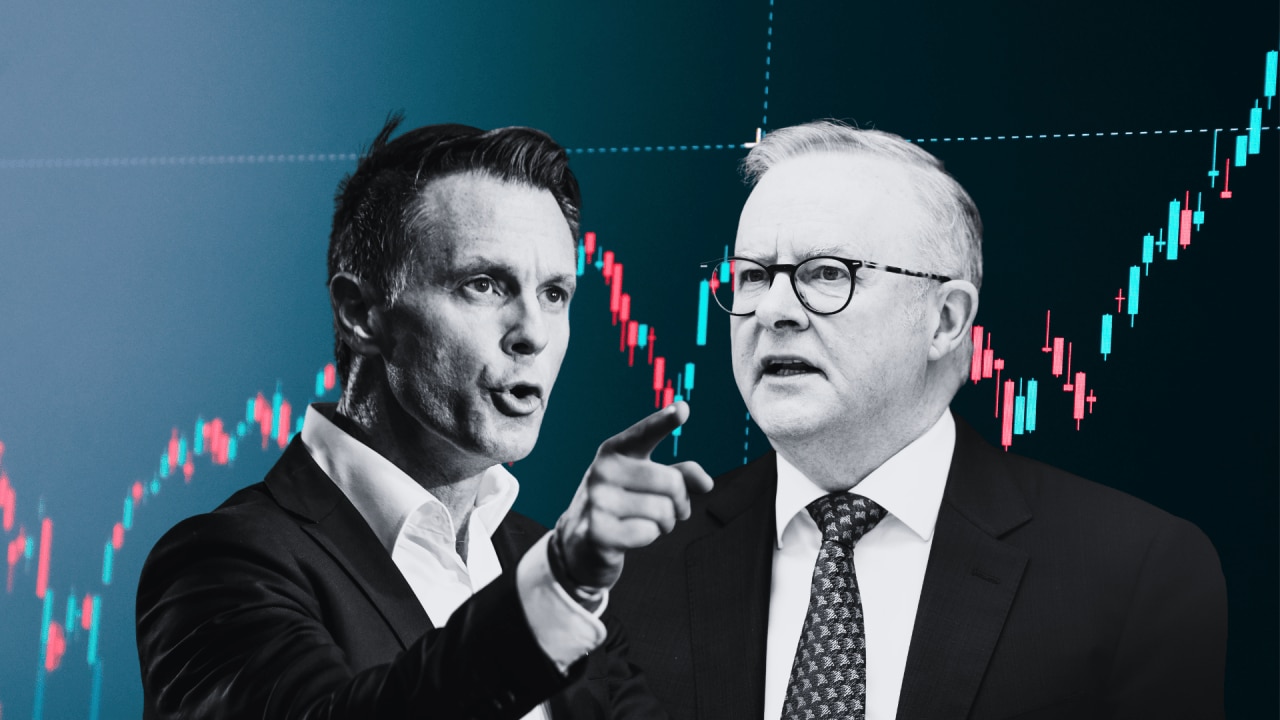
NSW Premier Chris Minns has called on the Albanese government to rein in spending ahead of an expected interest rate rise, warning governments must do their part to ease pressure on the economy.
His intervention comes as financial markets price in about an 80 per cent chance the Reserve Bank will lift the cash rate on Tuesday, which would deliver a fifth increase this year.
Mr Minns said state and federal governments shared responsibility for reducing demand, pointing to the need for restraint in public spending.
“I think everybody needs to do their bit,” Mr Minns told ABC Radio National Breakfast.
“That includes me and the opposition parties in New South Wales in the immediate run-up to elections. That’s when you’re at most risk of government spending money that they don’t have.
“As it relates to the federal government, I understand from media reports that they’re likely to do just that and I think everybody’s got a responsibility to do what they can to take pressure off the Reserve Bank.”
The comments put further pressure on Anthony Albanese and Treasurer Jim Chalmers as the government prepares its December mid-year budget update, where it has flagged further savings.
Mr Albanese has flown to Antigua and Barbuda for the Commonwealth Heads of Government Meeting, leaving other ministers to defend Labor’s record.
Environment Minister Murray Watt meanwhile rejected the suggestion that public spending was the main driver of demand contributing to inflation.
Speaking to News24 on Sunday, Mr Watt argued private sector spending had grown at a faster rate than taxpayer-funded demand.
“Well, I had a look at some of these figures and if you look at where the demand in the economy is growing, and that’s largely what’s contributing to inflation, in the last financial year, taxpayer funding-stimulated demand, halved in the past financial year,” he said.
“We saw demand in a private sector economy triple.
“So all the growth, or the substantial portion of the growth in spending, is happening in the private sector rather than in the public sector.”
Mr Watt said fuel costs were also contributing to inflation, arguing the impact of the conflict in the Middle East was being felt across the economy.
“If you look at the most recent inflation figures that came out this week, around half of inflation growth was because of rising fuel prices.
“That is having an impact on the Australian economy.”
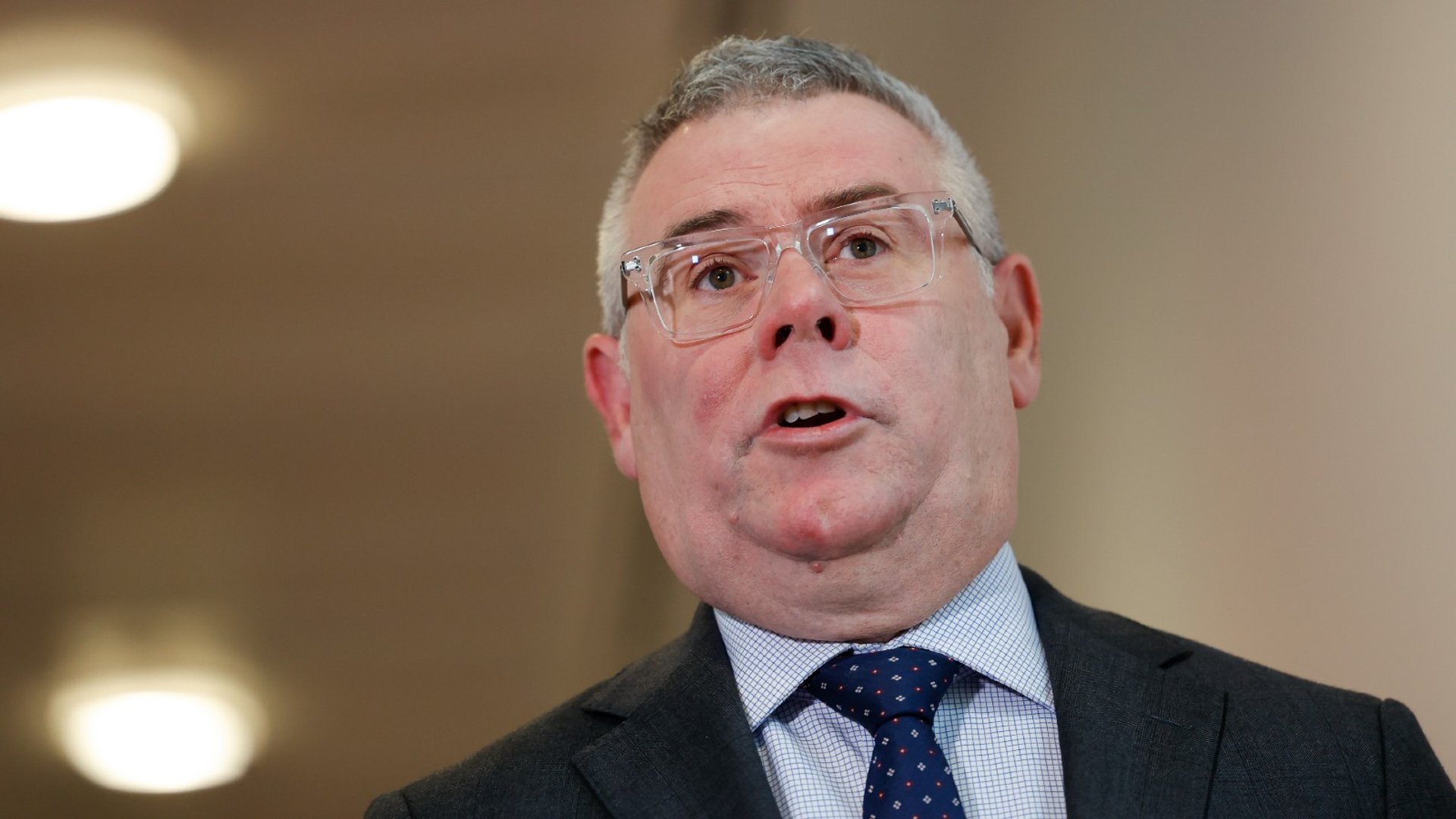
The Coalition has taken a different view, blaming Labor’s economic policies for the pressure facing households.
Shadow assistant treasurer Kevin Hogan said Australians would face another increase in mortgage costs because of the government’s decisions.
“I’m happy to certainly have a go at the fact that (Mr Albanese’s) policies at home and his policies on Tuesday are going to be reinforced, that they’re going to continue hurting Australian families when we have our 17th interest rate increase under his government,” he told News24.
Mr Hogan said the Coalition was developing a costed economic platform ahead of the next election, including its proposed tax bracket indexation policy.
The debate comes after RBA governor Michele Bullock warned in July last year that policymakers did not want to be forced into fighting inflation again.
At the time, Mr Chalmers declared: “It is clear now the direction of travel on inflation and on interest rates has been established.”