
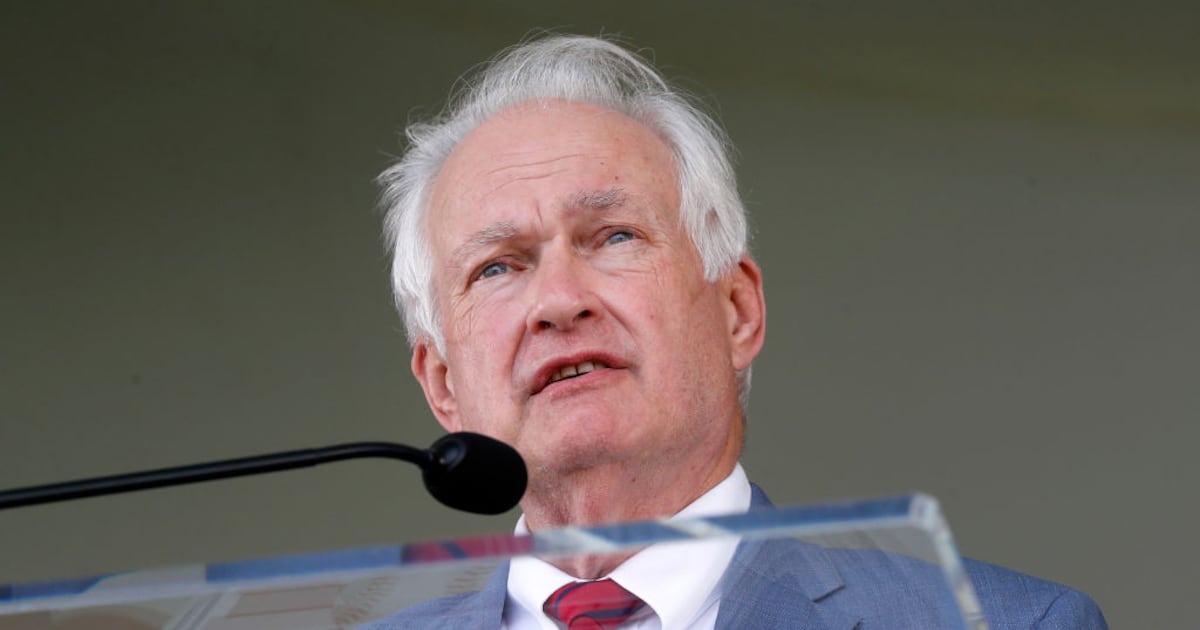
MLB players have historically struggled to win the public relations battle during labor negotiations, though the situation is not as bleak as it once was, according to former longtime MLBPA executive director Donald Fehr.
A new SBJ poll conducted Oct. 8-13 in partnership with Seton Hall Univ. found that 54% of MLB fans favor a salary cap, with 19% opposed. However, 39% would blame owners for a work stoppage, compared to 28% who would blame players.
During a recent episode of “The Bret Boone Podcast,” Fehr cited several reasons players have struggled to gain public sympathy, including what he described as owners’ “stranglehold on media outlets” and fans’ complicated relationships with players.
“Fans identify with players. They don’t identify with the others,” Fehr said. But while fans view owners as “oligarchs who are never going to bend,” their attitude toward players is often, “they’re making enough. I don’t feel sorry for them.”
Still, Fehr believes two factors could work in players’ favor compared to the 1994-95 strike.
“Oligarchs are not all that well regarded these days,” he said. “Super rich people are beginning to be complained about a lot more than they used to be.”
The internet also gives the union an advantage it lacked three decades ago, allowing it to reach players “vastly more quickly than we could back in 1994 and 1995,” Fehr said.
Those dynamics could come into play as MLB and the union remain at odds over the hard salary cap and floor system proposed by the league and its owners. The current CBA expires in less than a month, with a lockout likely beginning Dec. 2.
Fehr also wondered about what role President Trump, a former professional sports owner, might play in negotiations.
“I don’t know what direction that will push him in, if any, but that’s out there,” Fehr said.
Another concern is that fans have more entertainment options than they did during previous labor disputes and could simply move on if games are missed.
“What that ought to do is have a moderating influence on negotiations. Whether it will or not, I don’t know,” Fehr said. “There’s a lot of inertia that goes into these negotiations, and owners have historically been able to persuade themselves of just about anything. But the one thing they know for sure is they all make more money if the players get paid less, and they all agree that’s better.”