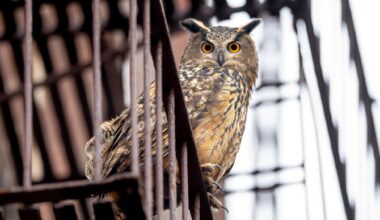
WWildlife Read More ‘Wild Inside’ chronicles how Flaco the owl became a New York City folk heroJuly 30, 2026 The owl was just sitting there in the middle of the sidewalk on Fifth Avenue across from Bergdorf…
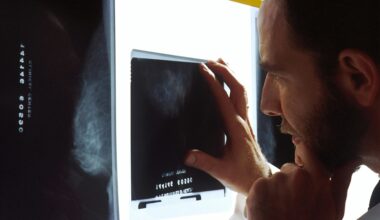
SScience Read More Lanthanide Carriers Boost Imaging, Diagnosis, TreatmentJuly 30, 2026 Lanthanide carriers could help define the next generation of biomedical imaging and fast-track the emerging field of theranostics—approaches…
SSpace Read More New Image Shows What 14 Years Of Driving Has Done To NASA’s Mars RoverJuly 30, 2026 Outer Space/Shutterstock NASA’s Curiosity rover has been rolling…
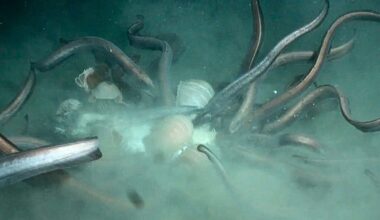
WWildlife Read More Tuna carcass placed at bottom of ocean. All was quiet, before this happenedJuly 30, 2026 When a dead tuna was put at the bottom of the ocean and a camera set up in…
SScience Read More Golgi Complex Key in DNA Repair RegulationJuly 30, 2026 Researchers have discovered a previously unknown layer of control over DNA repair in cells, exerted from outside the…
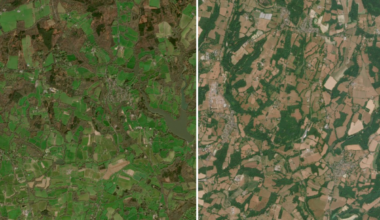
EEnvironment Read More Satellite pictures reveal huge impact of ‘exceptional’ UK drought and heatwavesJuly 30, 2026 Your support helps us to tell the story From reproductive rights to climate change to Big Tech, The…
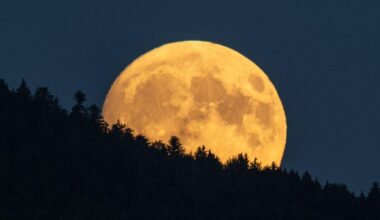
SSpace Read More In Photos: Full ‘Buck Moon’ Rises To Set Up A Total Solar EclipseJuly 30, 2026 Topline The full Buck Moon — the eighth full moon of 2026 — rose into evening skies around…
SScience Read More Victorian traffic, vehicle data now availableJuly 30, 2026 Image credit: ©iStock.com/Sergey Strelkov Newly released data provides insights into vehicle movements right across Victoria. Geospatial experts whose…
EEnvironment Read More How do scientists know if climate change made a heat wave, extreme storm or wildfire worse?July 30, 2026 When a devastating heat wave, hurricane, flood or wildfire strikes, people often want to know: How much did…
SSpace Read More Neptune’s moon system is bizarre. James Webb Space Telescope data helps explain whyJuly 30, 2026 Neptune has a very strange moon system. The farthest planet from the Sun in our Solar System has…
SScience Read More Voyager 2 flew so far below the plane of the solar system after Neptune that only one antenna on Earth can still send it commands, a 70-metre dish outside Canberra, which went offline for eleven months of repairs in 2020 while the spacecraft flew on in silence, unable to be told anything.July 30, 2026 Voyager 2’s last encounter with a planet did more than complete the only close reconnaissance of Neptune and…
EEnvironment Read More Why consumers are choosing solar over fossil fuelsJuly 30, 2026 People across the world have woken up to the fact that renewable energy is a source of local…