SScience Read More Anthropologists Still Can’t Agree On The AnswerJanuary 24, 2026 The chin is one of our most familiar features, yet scientists still debate why we evolved it. Here’s…
SScience Read More Meet The Squirrel That Turns Off Its Brain For 8 Months Every Year — A Biologist ExplainsJanuary 24, 2026 The Arctic ground squirrel survives conditions that would cause irreparable brain damage in almost any other mammal on…
SScience Read More Scientists Discover New Form of Life From 410 Million Years AgoJanuary 24, 2026 Artist reconstruction of P. taiti within the Rhynie ecosystem. Credit: M. Humpage, Northern Rogue Studios / CC BY…
SScience Read More Meet The Silver-Backed Chevrotain — A Mouse-Deer That Vanished For 25 Years, Rediscovered By A Camera TrapJanuary 23, 2026 Once written off as extinct, the silver-backed chevrotain forces scientists to confront how much of biodiversity still lives…
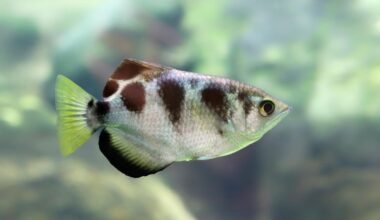
SScience Read More Meet The Fish That Can Recognize Human Faces — A Biologist ExplainsJanuary 17, 2026 A clever tropical fish has flipped how biologists are thinking about memory, brains and visual recognition in the…
SScience Read More We Evolved Something Else InsteadJanuary 16, 2026 Humans are the only primates that run nearly naked under the sun. Here’s how this biological tradeoff reshaped…
EEnvironment Read More Projected human land-use pressures and natural habitat conversion risk within global terrestrial protected areasJanuary 13, 2026 Protected Planet Report 2020 (UNEP-WCMC and IUCN, 2021). Pringle, R. M. Upgrading protected areas to conserve wild biodiversity.…
EEnvironment Read More Five rules for scientifically credible nature marketsJanuary 12, 2026 UNEP. State of Finance for Nature 2023 (UNEP, 2023). Kedward, K., zu Ermgassen, S. O. S. E., Ryan-Collins,…
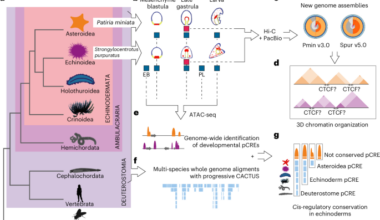
SScience Read More Deep conservation of cis-regulatory elements and chromatin organization in echinoderms uncover ancestral regulatory features of animal genomesJanuary 7, 2026 Sebé-Pedrós, A. et al. The dynamic regulatory genome of capsaspora and the origin of animal multicellularity. Cell 165,…
SScience Read More No Red Blood Cells? No Problem, For This NoodlefishJanuary 1, 2026 Antarctic icefish are famous for living without red blood cells, but they are not alone. A species of…
SScience Read More Fossil skulls reveal how well extinct mammals could smellDecember 25, 2025 We rely on smell more than most people may realize. Across mammals, scent guides feeding, warns of danger,…
SScience Read More They Send Messages Via The AirDecember 7, 2025 Volatile compounds drifting on the breeze. Electrical pulses firing under bark. Scientists are discovering that trees are anything…