
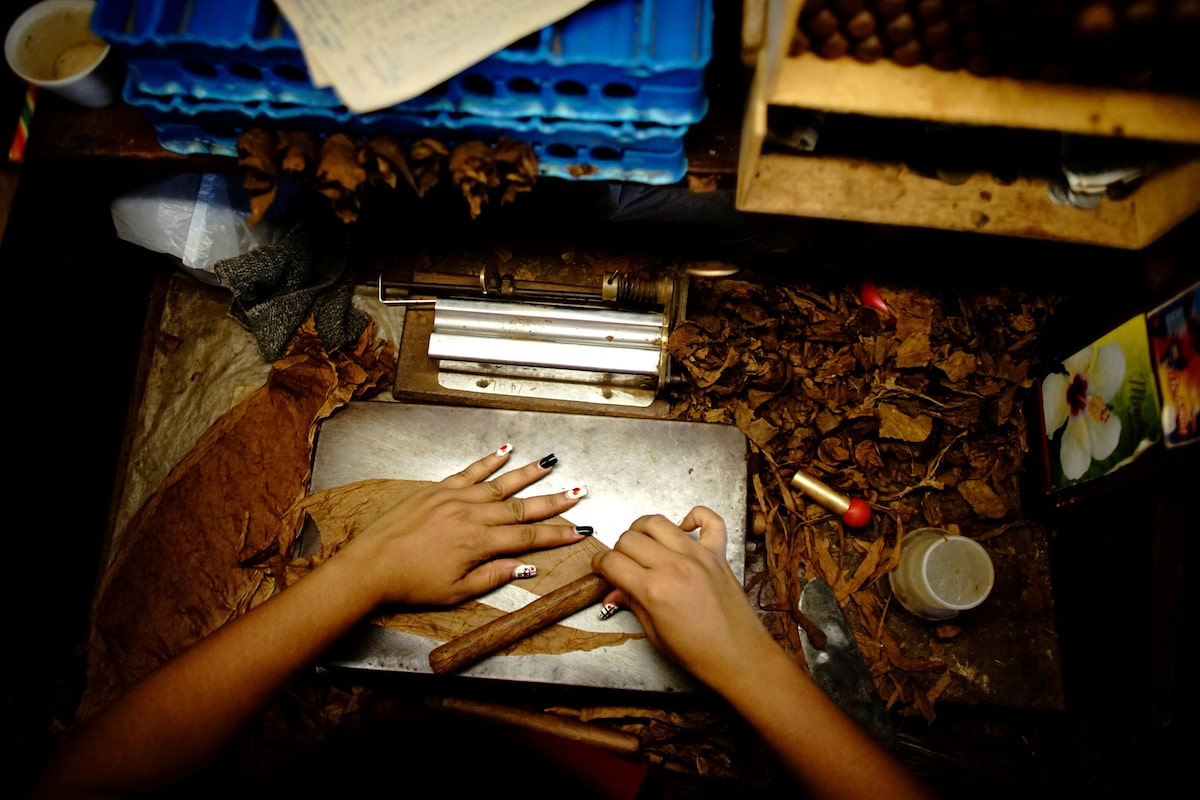
An employee rolls tobacco at a tobacco factory in Quivicán, Cuba, in 2018.ALEXANDRE MENEGHINI/Reuters
A human-rights group is asking Canada to investigate cigar imports from Cuba to determine whether any come from a prison tobacco factory where it says forced labour is used.
Prisoners Defenders, a Madrid-based organization, released a report Monday on coerced labour in Cuban prisons, including more than 400 prisoners at seven facilities across the island country where it says inmates are used to produce hand-rolled cigars.
“Forced labor in the Cuban prison tobacco industry is therefore not an isolated practice, but part of a structured and widespread economic model,” Prisoners Defenders said.
Canada ranks among the leading global importers of Cuban cigars: one of the most significant markets outside Europe. About 3.2 million hand-rolled cigars from Cuba were imported into Canada in 2024, according to Statistics Canada.
Canada plans oversight body to ensure businesses, governments crack down on forced labour
Aguacate Prison in Cuba’s Mayabeque province is one of the locations where inmates make such cigars, according to the report. Prisoners Defenders says its data is based on testimonies from prisoners and other witnesses.
Inside the Aguacate facility, also known as Quivicán Prison, it says, is a Tabacuba “Habanos” cigar factory that makes product destined for export. Tabacuba is a state-controlled company.
The prisoners at Quivicán are taken from their cells at 6:30 in the morning and returned at 9 or 10 each night except Sundays, when they work until lunch, the report says. They are given no breaks during the day and do not get the snack that civilian employees receive. They are paid the equivalent of US$7.32 per month.
By comparison, the report says, the two civilian staff at the prison factory make the equivalent of about US$97 per month as well as extra food and free tobacco products with significantly shorter working hours.
“Each prisoner must make between 50 and 130 cigars daily, depending on the targets,” the report said.
Every time the inmates leave the workplace, guards search them and confiscate even the smallest pieces of tobacco leaf in their possession. “A small piece of leftover tobacco leaf in their pocket means being beaten by the guards, being insulted, receiving other various and cruel disciplinary punishments,” the report said.
“Prisoners accept these miserable conditions of slavery in order to avoid remaining behind bars day after day in deplorable conditions.”
Estimated production of hand-rolled cigars at the seven prison factories highlighted in the report is more than 11.6 million cigars per year.
Prisoners Defenders says it believes the use of prison labour to make cigars is far more widespread than the seven prisons it documented.
Javier Larrondo, president of Prisoners Defenders, urged Ottawa to investigate whether cigars made with slave labour are making their way to Canada.
Ottawa amended the Customs Tariff Act on July 1, 2020, to prohibit forced-labour imports in keeping with a pledge made under the United States Mexico-Canada Agreement, the trade deal that replaced the North American free-trade agreement.
“The Canadian government should launch an investigation into the products and companies affected by forced labor in Cuba that enter Canada and, if verified, should take restrictive measures against such trade that contribute to preventing this labor at its source,” Mr. Larrondo said.
Prisoners Defenders focuses primarily on documenting human-rights abuses and advocating for political prisoners in Cuba and has been cited by other human-rights advocates such as Amnesty International.