
Canada is seeing an uptick in positive COVID-19 tests, according to a report from the Canadian government.
During the week of Sept. 7, there was a 9.6 per cent increase in positive tests week-over-week, according to data just released in the Canadian respiratory virus surveillance report.
The report collects data across Canada on respiratory viruses like influenza (flu), COVID-19 and respiratory syncytial virus (RSV).
Positive tests for the flu and RSV “remain at interseasonal levels.”
Though the number of weekly respiratory viral outbreaks remained steady, 99 per cent of reported outbreaks in recent weeks have been linked to COVID-19.
The National Collaborating Centre for Infectious Diseases defines an outbreak as “the number of disease cases beyond what would normally be expected for a community, geographical area or season.”
CTV News’ medical expert Dr. Marla Shapiro says this is the time when we see a general uptick in cases.
“COVID really has become endemic, it’s part of the fall respiratory viruses that we see. We see it pretty much circulating all year round, but then it takes a lull in the summer,” she said in an interview Tuesday.
She adds that it’s possible that the numbers are underestimated because “nobody is doing home testing anymore,” and people aren’t as sick as they were in previous years.
According to the report, B.C., Manitoba, Quebec, N.L. and P.E.I. are among the provinces with the highest cases of positive COVID-19 tests
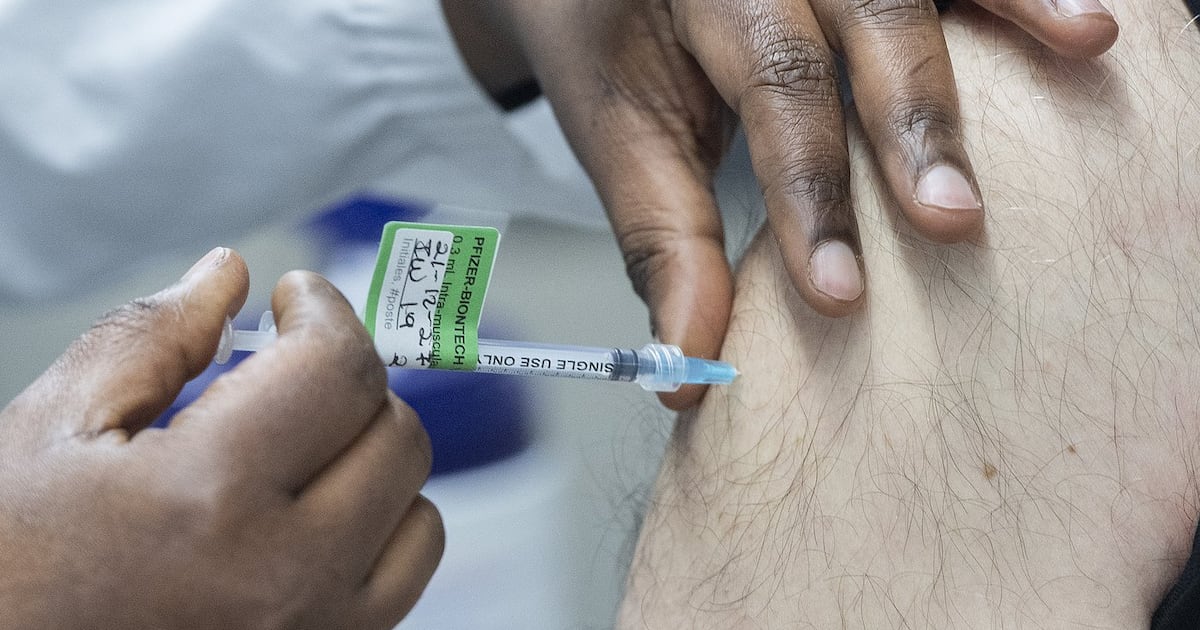
Shapiro says based on the lessons learned in the past, vaccines could help combat this virus.
This month, Quebec and Alberta announced that COVID-19 vaccines will no longer be covered by the province, ending free vaccinations for the virus. Only eligible groups, including some individuals over 65 and at-risk people, will benefit from subsidizes vaccines.
COVID-19 vaccines are available free of charge in the rest of Canada.
In August, Health Canada approved an updated Moderna vaccine made in Canada, which targets the SARS-CoV-2 LP.8.1 variant. It’s set to roll out this fall.