

A seniors’ care advocacy group is worried about new provincial plans to stop funding overtime and agency staff for long-term care and assisted living facilities.
The B.C. Ministry of Health said the funding was started as temporary top-ups in response to the “exceptional circumstances” of the COVID-19 pandemic and it now plans to wind it down by Oct. 31.
But Mary Polak, CEO of B.C. Care Providers Association and a former health minister with the B.C. Liberals, said now is not the time to stop the funding.
“It’s a matter of safety for the care of these seniors,” Polak told Gloria Macarenko, host of CBC’s On the Coast.
Staffing agencies are for-profit companies that provide health-care workers on a contract basis, often used when organizations face staffing shortages, according to Healthcare Excellence Canada.
Polak said long-term care and assisted living facilities use overtime and agency contracts to staff additional nurses and other health-care workers amid a nationwide shortage.
Polak added she’s heard there may be closures of some beds because of the pulled funding and said facilities will have to decide whether they can continue to receive new residents.
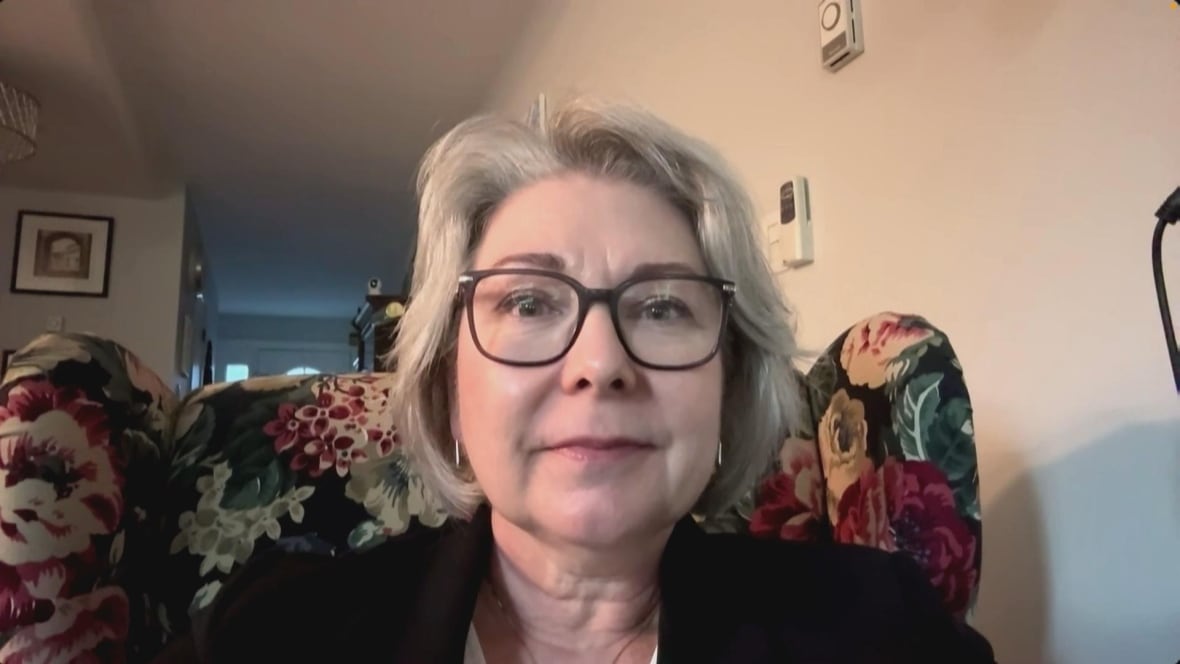 Mary Polak, CEO of B.C. Care Providers Association, is concerned that ending funding for overtime and agency staffing in long-term care and assisted living facilities will negatively affect seniors’ care in the province. (CBC News)
Polak predicted rural areas will be hit hardest without funding for overtime or agency staff.
The Ministry of Health said the funding was just one aspect of support for long-term care and added it will continue to expand the workforce of long-term care and assisted living facilities.
“This includes training new health-care assistants, streamlining registration pathways and making it easier for internationally trained health-care professionals to work here,” the ministry said in an emailed statement.
But Polak said while she understands the funding was temporary, it shouldn’t end based on an arbitrary timeline.
“It should end as we get to the place where we can fill those gaps without the overtime and agency funding,” she said.
The ministry said it has added 2,400 new training seats for health-care assistants for participants in the Health Career Access Program with an investment of $25 million per year.
It also started a bursary program in 2022 with $3 million to support health-care assistants to become licensed practical nurses. More than 200 students have received the bursary, and 51 graduates are now employed.
Polak said the ministry is on the right track, but added seniors will be vulnerable while the government tries to fill the gaps in the system left by the pulled funding.
“More and more of those seniors are going to be waiting for a facility space in a hospital or in an emergency room.”