

When Ashley Khouathip left Toronto five years ago, she was looking for clean air for her five children, affordable housing and a slower pace of life. She wanted a place where kids could bike and fish in the river and neighbours looked out for each other.
She found it in Dresden, Ont., a community of 2,401 people in Chatham-Kent about a three-and-a-half-hour drive from Toronto. She opened a holistic wellness shop, joined local markets and settled into small-town life.
 Ashley Khouathip stands inside her holistic wellness shop in Dresden, Ont., which sits on a road that could soon carry hundreds of trucks daily to a revived landfill and expanded waste-processing hub less than a kilometre away. Photo by: Abdul Matin Sarfraz / Canada’s National Observer
Now, her storefront sits on a road that could soon carry hundreds of trucks daily to a revived landfill and expanded waste-processing hub less than a kilometre away. “Are we going to be walking around with masks? Smelling sulphur? Will the kids still be safe to ride their bikes?” she asked. “This is the only road in and out. How do you stop a truck when a kid runs out?”
On her phone, she pulled up a photo of her children holding a freshly caught fish from the East Sydenham River. “My neighbour texted me this picture today — my kids are literally fishing right now, and just caught a fish, wow,” she said.
The project she fears is a proposed 25-hectare landfill and recycling facility by York1 Environmental Waste Solutions, that would be built on a site that held incinerator ash decades ago. The plan could see up to 6,000 tonnes of solid waste trucked in daily, mostly from the Greater Toronto Area.
It’s the first landfill proposal in the province selected for fast-tracking under Premier Doug Ford’s newly enacted Bill 5 — which makes the project immune to many of the checks and balances it would otherwise face.
It’s the first landfill proposal in the province selected for fast-tracking under Premier Doug Ford’s newly enacted Bill 5 — which makes the project immune to many of the checks and balances it would otherwise face.
But it also could be the first major blow to the legislation: the federal Impact Assessment Agency of Canada has confirmed to Canada’s National Observer it received a request from the Canadian Environmental Law Association to review the Dresden project. The agency has 90 days to decide whether to designate it under the Impact Assessment Act, with a decision expected by November 20.
A high risk site
The site sits beside Molly’s Creek, which drains into the East Sydenham River that runs through Dresden — and is one of the most biodiverse watersheds in Canada. It is home to more than 80 fish species, 34 species of mussels and at least 20 species listed as at risk. Experts warn it could threaten rare species, such as the salamander mussel, whose only Canadian population is found in east Sydenham.
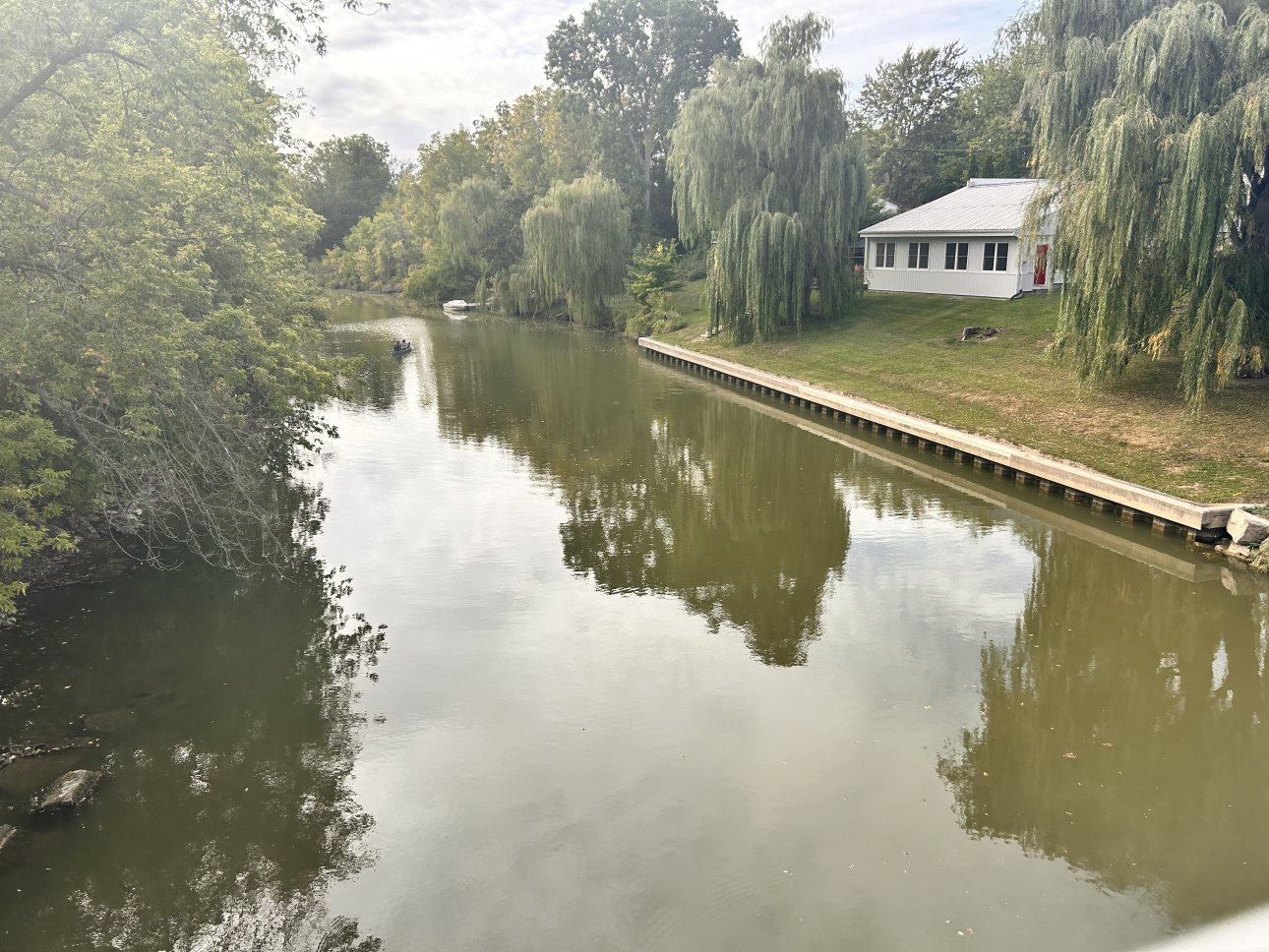 The site sits beside Molly’s Creek, which drains into the East Sydenham River that runs through Dresden — and is one of the most biodiverse watersheds in Canada. Photo by : Abdul Matin Sarfraz/ Canada’s National Observer
Earlier this year, the Ford government exempted the project from a full environmental assessment under its Bill 5 Special Economic Zones, arguing the move was needed to address the risk of US tariffs, since about 40 per cent of Ontario’s business waste is currently sent across the border.
The province says the project will still require environmental compliance approvals for air, noise, water and sewage. But the decision has triggered a wave of backlash. When Ontario consulted the public on removing the assessment, more than 2,100 submissions were filed — only four supported the plan.
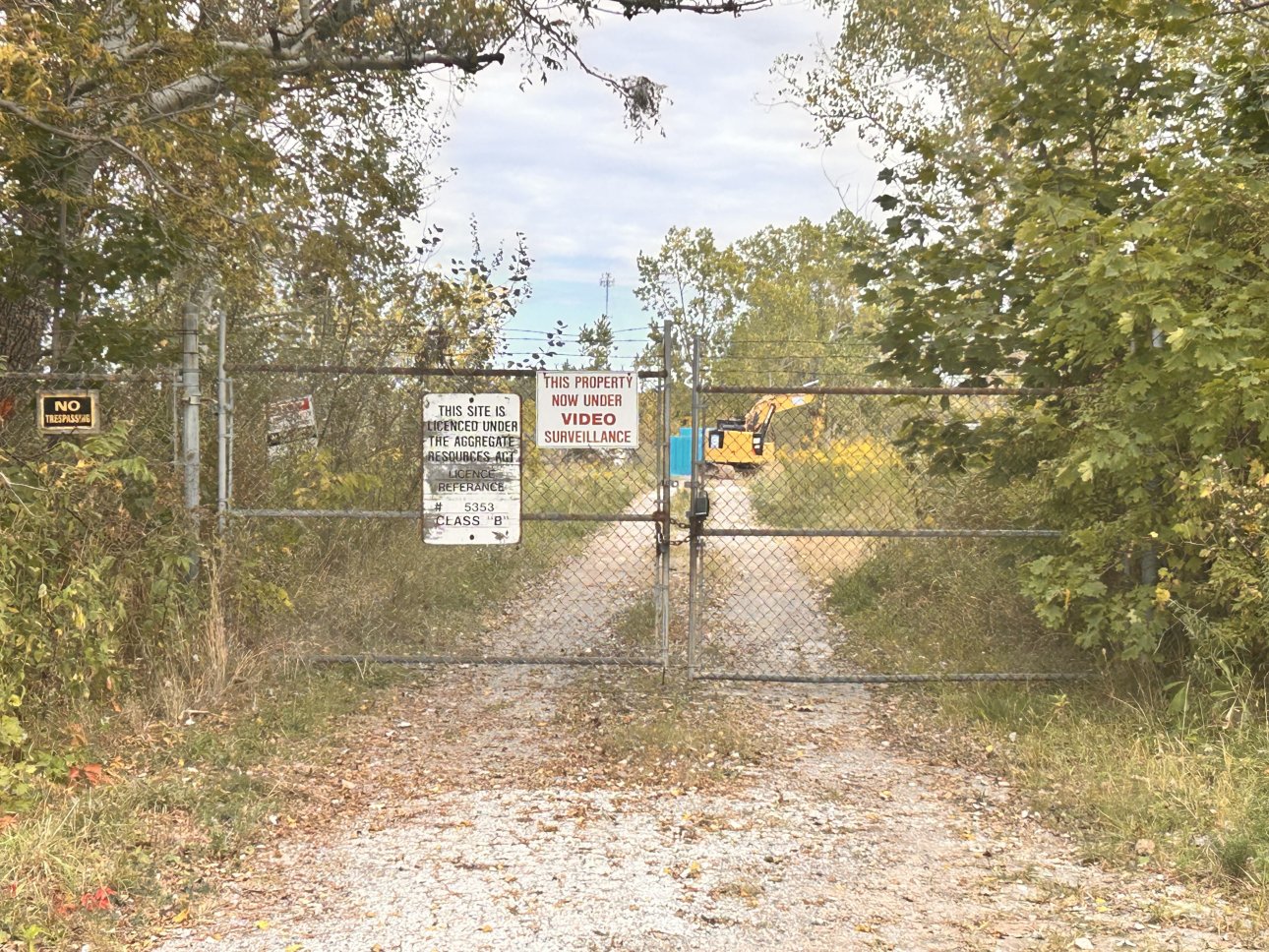 The proposed 25-hectare landfill and recycling facility by York1 Environmental Waste Solutions would be built on a site that held incinerator ash decades ago. Photo by : Abdul Matin Sarfraz/ Canada’s National Observer
Meanwhile, the province is expected to generate 17 million tonnes of waste annually by mid-century, with landfill capacity projected to run out by 2034. At that pace, Ontario would need 16 new or expanded landfills, but approvals for new sites can take more than a decade.
Finding new sites is already difficult. Bill 197, passed by the Ford government, gave municipal councils the power to approve or reject landfill projects within 3.5 kilometres of their boundaries. While this empowers small towns, it does not apply to expansions of existing sites, such as Dresden’s.
Floodplain fears
Just minutes from Khouathip’s shop, Elaine Unsworth has lived in her farmhouse for 53 years. Her backyard stretches down to Molly’s Creek, which floods every spring. The proposed landfill is less than a kilometre from her home.
She worries contaminated floodwater could spread across her yard and seep into her backyard well. “We’re used to water,” she said, pointing to the brown lines on tree trunks left by receding floods. “But this is different. If runoff goes into the creek, it’s on my grass, my trees, over my well. I cut acres of lawn — am I going to inhale contaminants every time I mow? What about my grandkids and pets walking through that?”
 Elaine Unsworth has lived in her farmhouse for 53 years. Her backyard stretches down to Molly’s Creek, which floods every spring. The proposed landfill is less than a kilometre from her home. Photo by : Abdul Matin Sarfraz/ Canada’s National Observer
For Unsworth, the risks are not hypothetical. In Hamilton’s Stoney Creek neighbourhood, residents have already endured foul odours and health problems tied to a nearby GFL landfill. Many say the smell makes it impossible to open windows or sit outside, and paramedic data shows 911 calls for respiratory distress have sharply increased.
Air monitoring found sulphur pollution at levels more than 17 times Ontario’s legal limit. In response, Hamilton city council launched an investigation into health impacts and is considering compensation for affected households.
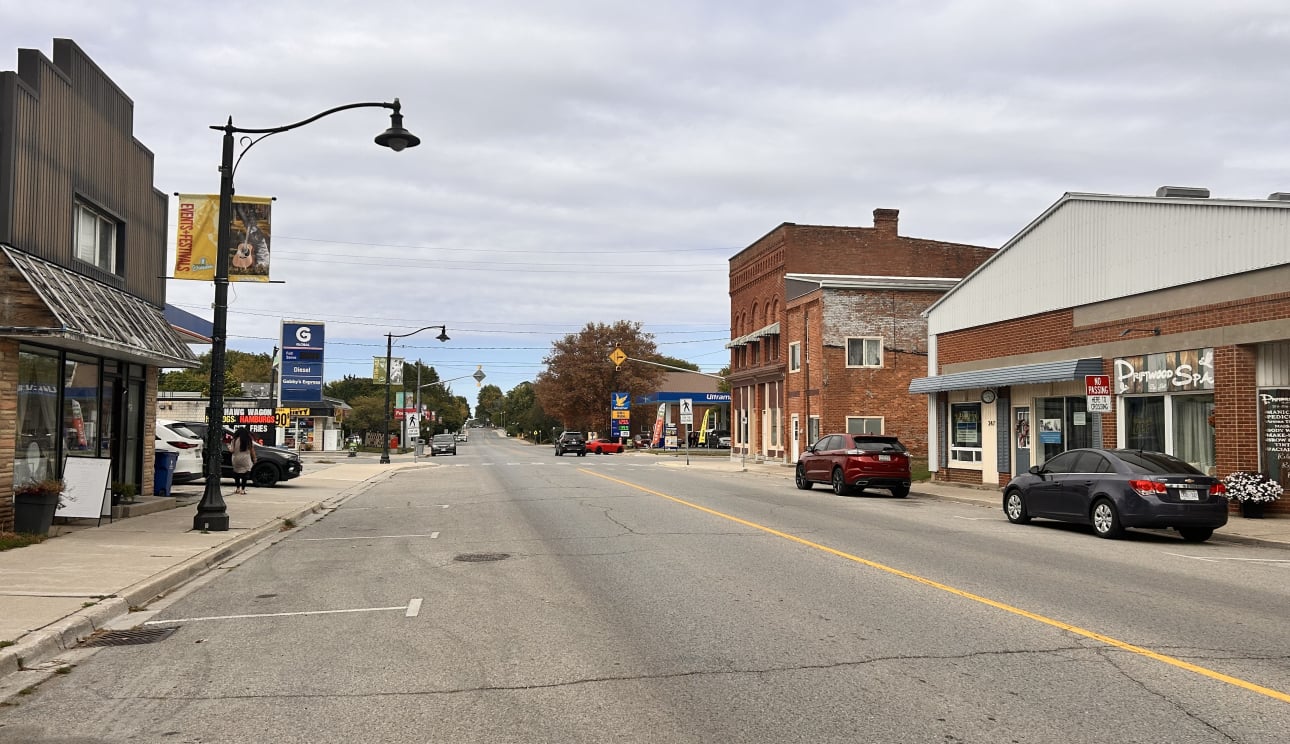 Downtown Dresden, a community of 2,401 people in Chatham-Kent, where residents are fighting a proposed landfill project. Photo by : Abdul Matin Sarfraz/ Canada’s National Observer
Hamilton is a cautionary tale for Unsworth and her Dresden neighbours about what happens when oversight fails. Unsworth said removing the environmental assessment has left them without basic protection. “We pay our taxes, we’ve built our lives here, and now our future is at risk. I just want clean water, clean air and to keep the home I’ve loved for half a century,” she said.
‘A town killer’
Dresden is surrounded by rich farmland that produces tomatoes, corn and soybeans. The area supports both small family farms and large agribusiness. A ConAgra Foods cannery in town processes tomatoes for Aylmer ketchup. Farming, food processing and tourism form the backbone of the local economy.
Long-time resident Brian Tearne, who lives about three kilometres from the site, warned the landfill project could undermine all of that, describing it as “a town killer.”
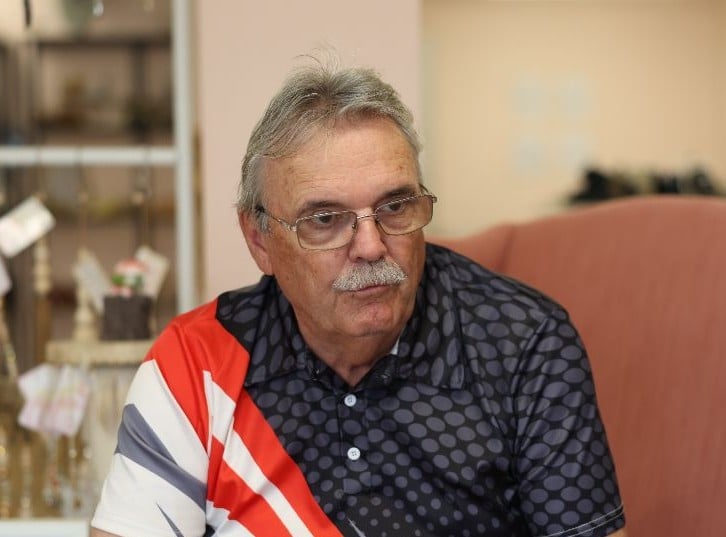 Long-time resident Brian Tearne calls the project a ‘town-killer.’ Photo by: Haq Dost/ Canada’s National Observer
He said contamination from the site could spread into irrigation water and fields, hurting crop yields and damaging Dresden’s reputation for safe, high-quality food. That could ripple through the economy, threatening processing jobs and local farms. “If you can’t trust the soil or the water, what happens to the cannery, to the farms, to everything that depends on them?” he asked.
Chatham-Kent already hosts one of Ontario’s largest private landfills, which takes commercial and industrial waste from across the province, mainly Toronto. Tearne said adding another facility in the middle of a floodplain town shows “disregard for the community’s future.”
Advocates say the risks are even broader. Rebecca Kolarich, program manager for water at Environmental Defence, said when rainwater mixes with decomposing garbage in landfills it forms a toxic liquid known as leachate that is “extremely toxic to aquatic species, as well as animals that consume those species.”
Leachate can carry heavy metals, bacteria and other harmful substances into soil and groundwater, eventually seeping into rivers and affecting fish growth, reproduction and survival, she added.
Kolarich said nearby residents who rely on private wells could see their drinking water contaminated if leachate enters the groundwater. Farmers could also face polluted irrigation water, exposing crops and soils to toxins. “Everything is connected,” she said. “If the water is contaminated, then so are the crops that depend on it.”
Community turns to Ottawa
The Chatham-Kent council has formally opposed the project and urged Ontario’s environment minister to reject it. Meanwhile, residents formed Dresden CARED (Citizens Against Reckless Environmental Disposal) to lead the fight.

Chair Stefan Premdas said the Ford government’s decision to remove the provincial environmental assessment forced the group to seek help from Ottawa. “We are already taking more than our share of Ontario’s garbage,” he said. “Putting a new project within metres of homes and schools ignores basic safety rules.”
According to provincial data and a map prepared by Canada’s National Observer, more than 600 landfills are currently open across Ontario. Communities are pushing back against both new sites and incinerators over health and environmental concerns, while municipalities struggle to handle growing garbage volumes.
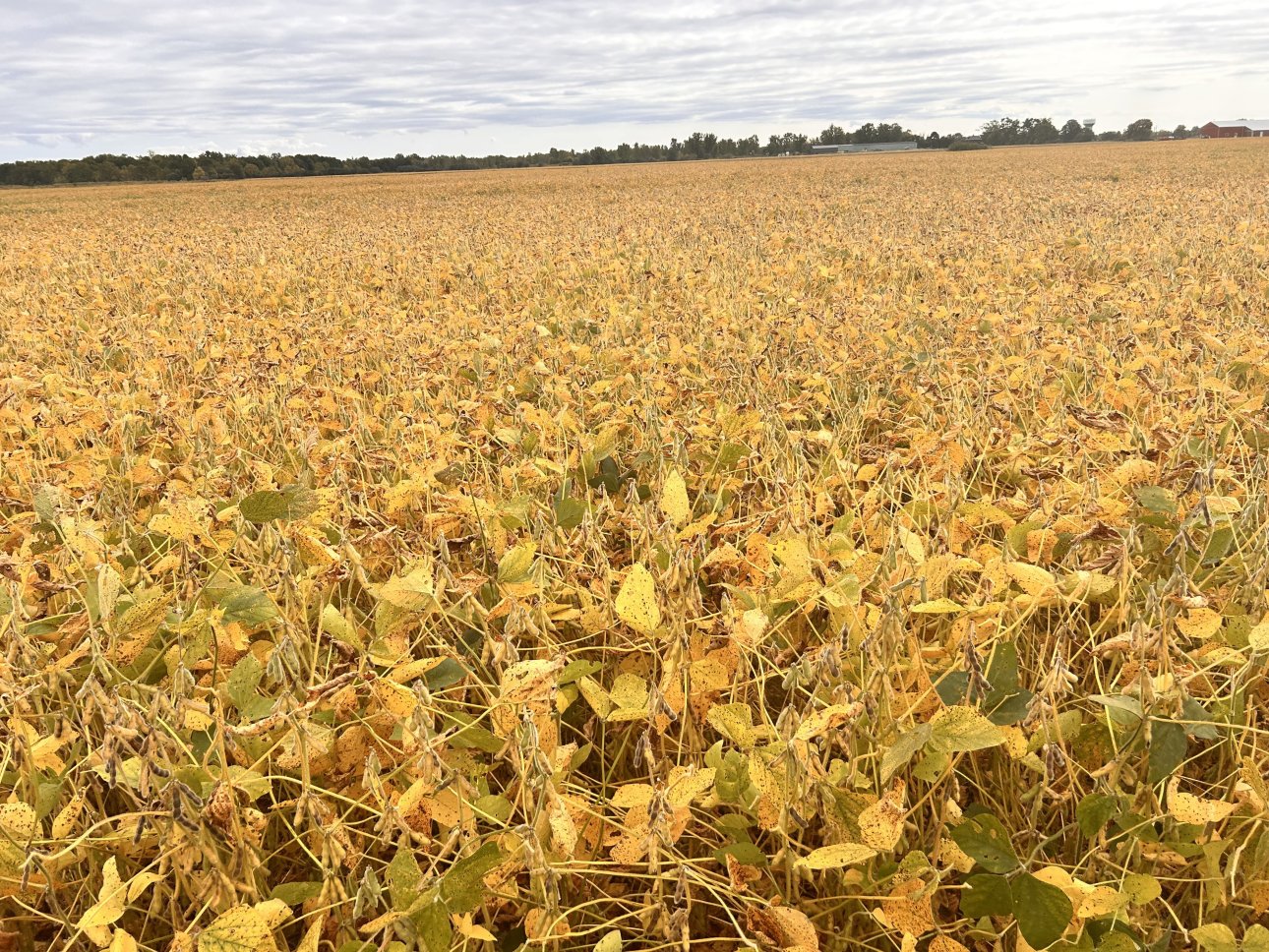 Soybean fields stretch across Dresden’s farmland, about a kilometre from the proposed landfill. Farming is central to the town’s identity and economy. Photo by : Abdul Matin Sarfraz/ Canada’s National Observer
Experts say weak recycling policies have made the problem worse. The Ford government has moved to roll back the Blue Box program and cancelled a deposit-return system for drink containers.
The Resource Productivity and Recovery Authority says Ontario diverted just 53 per cent of recyclables from landfills in 2021, the most recent data available.
Canada’s National Observer reached out to both the Ontario Ministry of the Environment and York1 Environmental Waste Solutions but did not receive comment in time for publication.