

Look around the Tour de France and you’ll see 38 sponsors – some huge international companies – lending their name to the 23 competing teams. The collective annual budget of the teams is, according to an official UCI document seen by Cycling Weekly, in excess of €600m. Top-tier cycling, on the face of it, looks richer, healthier and more financially sustainable than ever before.
But those headline figures don’t tell the full story. One team manager at the race told Cycling Weekly that 15 of those teams are currently searching for new title sponsors who will invest significant seven-figure sums, and no one else who CW spoke to disputed or was surprised by that number.
You may like
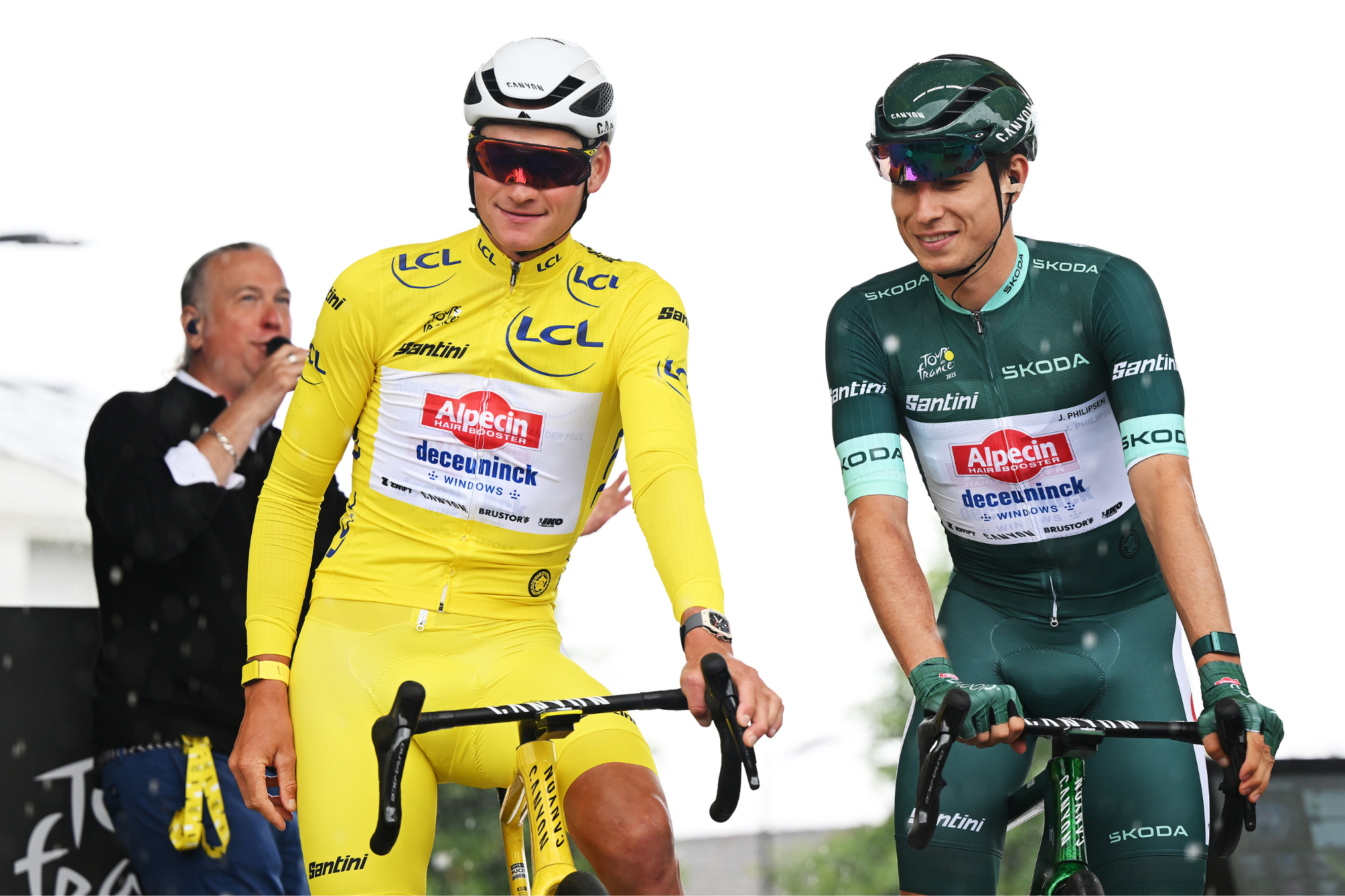
Mathieu van der Poel and Jasper Philipsen’s team are without a second title sponsor for 2026
(Image credit: Getty Images)
Calculating ROI
(Image credit: Getty Images)
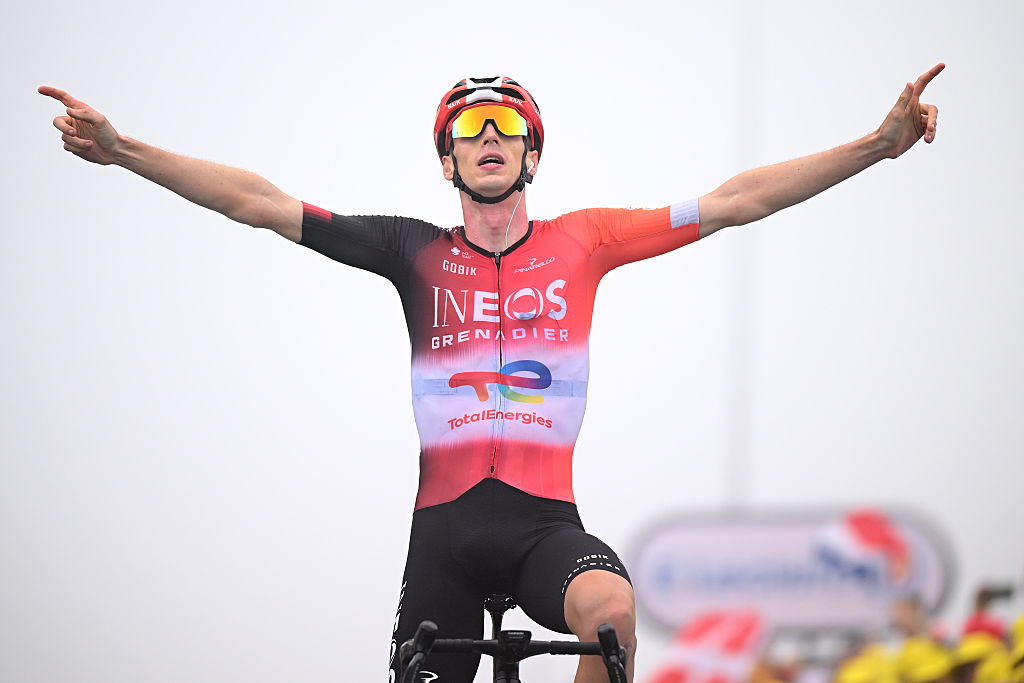
When Ineos Grenadiers announced in March that they had recruited the services of marketing company Sportfive to help them find new money, it took some by surprise as it was an indication that despite having a storied history and boasting Grand Tour winners in their current roster, the British team had so far been unable to entice businesses in private conversations. And it’s those boardroom meetings that happen through word of mouth how most business deals are still agreed in the sport.
“A lot of cycling is related to the personal relation you have with people,” Lidl-Trek chief Guercilena says. “It’s true that a company will contact you because an ex-rider or -staff got in touch with the organisation to tell them to sponsor cycling. During the season the job is to always keep good relationships with sponsors and ex-riders and -staff even when they’re not working for you anymore.”
It’s often said that in the absence of few tangible assets and no fixed home rooted in one specific place – no cycling team has a home stadium that fans pay to visit, for example – the return of investment for sponsors on cycling is low. But WorldTour teams commission annual brand exposure and media value reports, and CW has seen one document from a WorldTour team which breaks down how title sponsors actually get up to three times more exposure and value from sponsoring a team than the money they invest.
Keeping the payees regularly informed of where their money is going and how it’s beneficial to them is a regular task. “We still keep the historical analysis of media value, looking at the free TV channels, streaming channels, social media and so on,” Guercilena says. “We also do a lot of analysis of customers, their loyalty to the brands, and the increase in customers related to the team and the interaction of content we create on top of the typical TV broadcasting.”
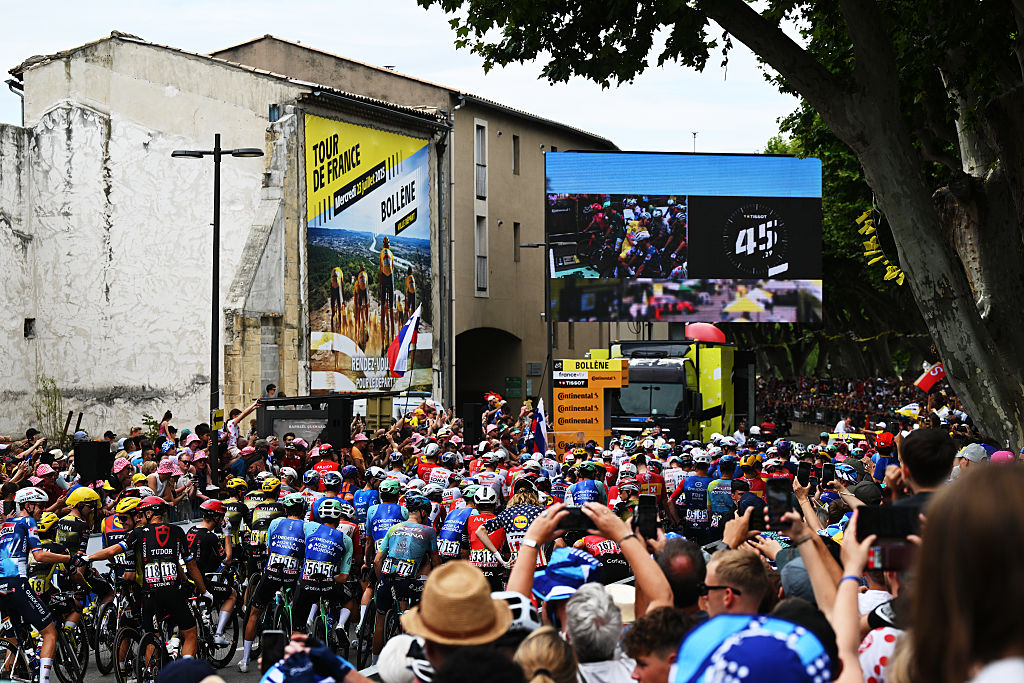
23 teams, and 15 are looking for new investment.
(Image credit: Getty Images)

Lidl-Trek are now one of the richest teams in the sport after Lidl’s arrival midway through 2024.
(Image credit: Getty Images)