
IN A NUTSHELL
🦁 Recent research reveals that human voices instill more fear in African wildlife than lions.
🔍 Study conducted in Greater Kruger National Park used recordings of human and lion vocalizations.
⚖️ Findings suggest that animals view humans as a greater threat than traditional apex predators.
🛡️ Conservationists consider using human sounds to protect endangered species from poaching.
In the heart of Africa’s vast savannah, a surprising revelation has emerged about the true apex predator of the region. While lions, with their formidable physical prowess and group hunting strategies, have long been considered the most fearsome predators, recent research suggests a different narrative. A study conducted by conservation biologists reveals that the sound of human voices instills more fear into the local wildlife than the mighty roar of lions. This finding has profound implications for understanding human impact on wildlife and may offer new strategies for conservation efforts.
Human Presence: A Surprising Source of Fear
In a groundbreaking study conducted in South Africa’s Greater Kruger National Park, ecologists discovered that human presence is more terrifying to wildlife than that of lions. The research involved playing recordings of human conversations in various languages, including Tsonga, Northern Sotho, English, and Afrikaans, alongside recordings of lions communicating. Astonishingly, the wildlife reacted with greater fear to the sound of human voices than to the snarls and growls of lions.
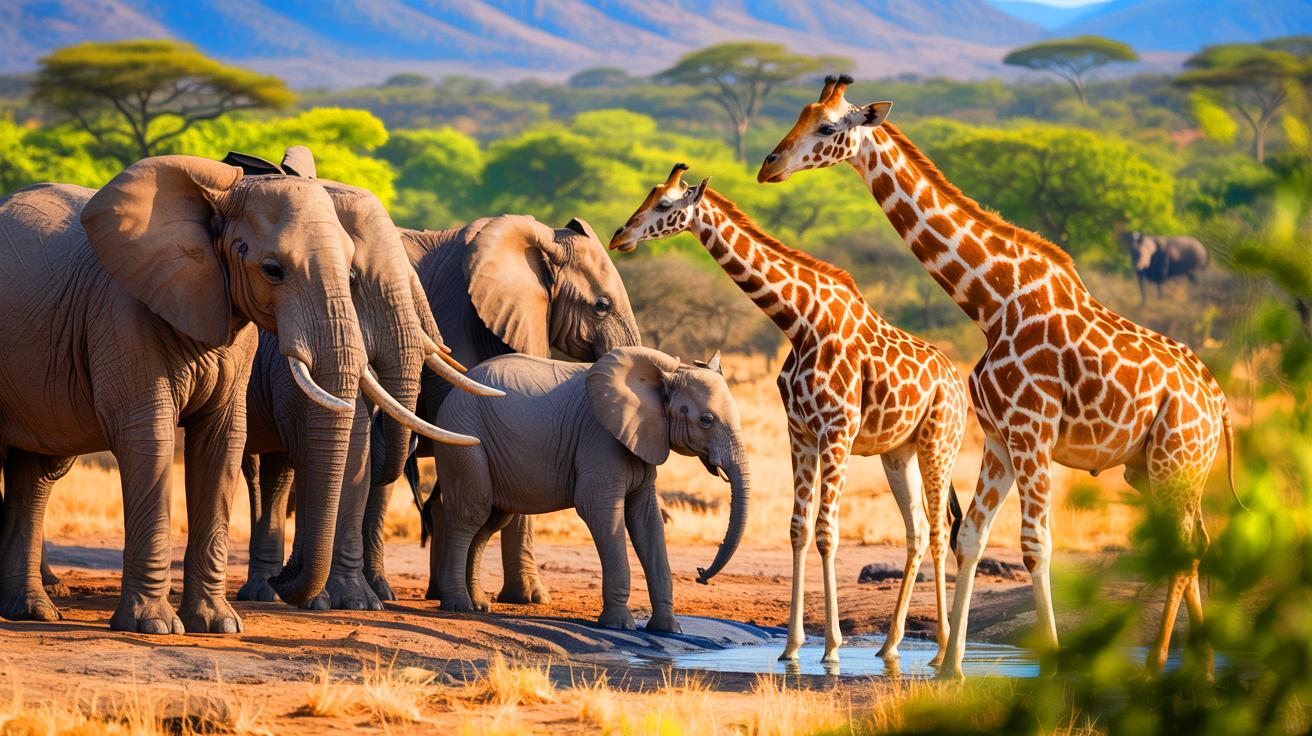
The study’s findings suggest that the fear of humans is deeply ingrained in the animal kingdom. Despite not being an apex predator, humans are perceived as a significant threat. The fear response was observed across 19 mammal species, including rhinos, elephants, giraffes, and leopards. These animals were twice as likely to flee when hearing human voices compared to lion vocalizations or even hunting sounds like barking dogs and gunshots.
Ecologist Liana Zanette, one of the researchers, noted the profound impact humans have on wildlife behavior. The pervasive fear of humans is a testament to the environmental impact they have, extending beyond habitat loss and climate change. It highlights the psychological stress humans impose on wildlife, which could have long-term effects on animal populations.
Implications for Wildlife Conservation
This newfound understanding of the fear humans instill in wildlife has significant implications for conservation efforts. As the most lethal species on the planet, humans have driven numerous species to the brink of extinction. The continuous presence of humans in natural habitats perpetuates this fear, potentially affecting animal behavior and populations.
Interestingly, conservationists may be able to use this fear to their advantage. By playing human conversations in areas threatened by poaching, researchers hope to deter endangered species like the Southern white rhino from approaching areas of danger. This novel approach could help protect vulnerable populations from poachers, offering a non-invasive conservation strategy.
However, this tactic raises ethical questions about the psychological impact of instilling fear in animals. The long-term effects of such interventions on animal behavior and ecosystem dynamics remain uncertain. As conservationists explore these methods, they must balance the immediate benefits with potential unintended consequences.
The Role of Humans as Evolutionary Drivers
Humans have long been a major force in shaping the evolution of other species. From hunting massive mammoths to domesticating dangerous animals, humans have altered the course of natural history. This study reinforces the idea that humans are not just physical threats but also psychological ones.
The fear of humans is a testament to the evolutionary pressures they exert on wildlife. Animals have evolved to recognize humans as a significant danger, adapting their behaviors to avoid encounters. This adaptation may have far-reaching implications, potentially influencing evolutionary trajectories and species interactions within ecosystems.
Understanding the role of humans as evolutionary drivers is crucial for developing effective conservation strategies. By recognizing the profound impact of human presence, conservationists can better address the challenges facing wildlife populations and work towards sustainable coexistence.
Future Research and Ethical Considerations
The findings of this study open new avenues for research into the psychological impact of human presence on wildlife. Future studies could explore how different species perceive and respond to human-induced stressors, shedding light on the complex dynamics between humans and nature.
Ethical considerations must also be at the forefront of this research. While playing human voices may deter poachers, it may also cause distress to animals. Researchers and conservationists must carefully weigh the potential benefits against the ethical implications of their actions.
This research underscores the need for a holistic approach to conservation that considers both the physical and psychological impacts of human activities. As we strive to protect endangered species and preserve biodiversity, understanding the full extent of our influence on wildlife is paramount.
The revelation that humans are perceived as more terrifying than lions in the African savannah challenges long-held assumptions about predator-prey dynamics. It highlights the profound impact humans have on wildlife, extending beyond physical threats to psychological stressors. As conservationists explore innovative strategies to protect endangered species, they face the challenge of balancing ethical considerations with practical solutions. How can we ensure that our efforts to protect wildlife do not inadvertently cause harm, and what role should ethics play in shaping future conservation strategies?
This article is based on verified sources and supported by editorial technologies.
Did you like it? 4.6/5 (22)