
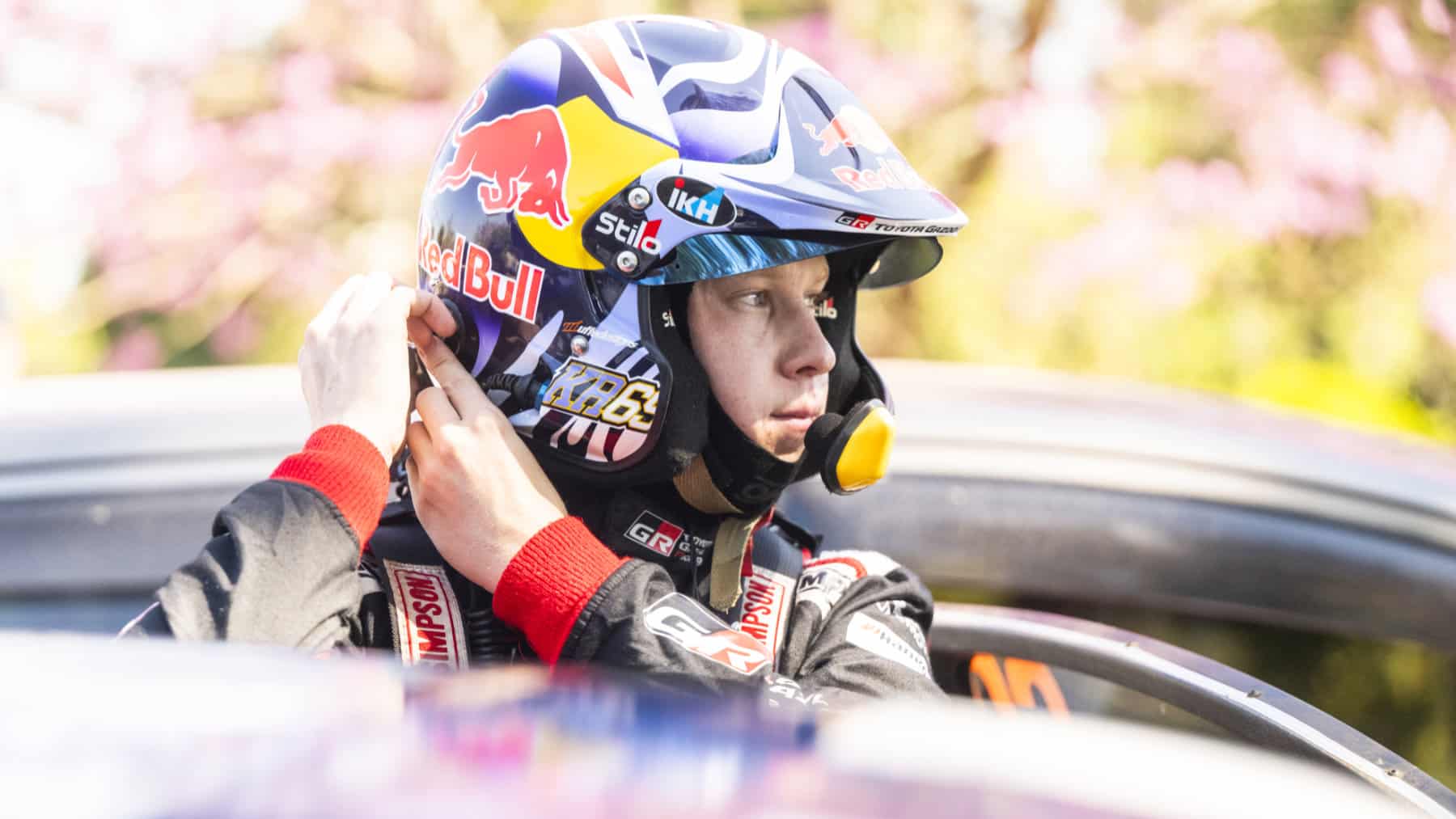
Two-time World Rally champion Kalle Rovanperä has quit rallying aged 25 to devote himself full time to circuit racing, with the intention of reaching F1. A few weeks ago in this column, we speculated on how difficult a task IndyCar star Colton Herta had set himself by transferring to F2 next year in his quest to reach F1. But at least he’s been competing in the same sport, merely a different category. What Rovanperä is challenging himself to do is of a different order of complexity.
Ever since F1 megastar Jim Clark set a series of fastest stage times on the RAC Rally in his Lotus Cortina in 1965, there has been a fascination about how the skills of rally driving and race driving overlap. Just how good would a top rally driver be in F1 if they devoted themselves full time to it? How would a top F1 driver fare if they transferred to the WRC?
Well, Kimi Räikkönen attempted to answer the latter question in 2010-11, and while his performances in his Citroens were quite respectable, he didn’t set the stages alight. His best result was a fifth place and he was ranked 10th in the championship in both years. He later reflected that he would need to have started many years earlier to have given himself a proper chance of being fully competitive in the discipline. Starting in his 30s at WRC level was just too much of a stretch. In 2012, he returned to F1 and was immediately fully competitive once more.
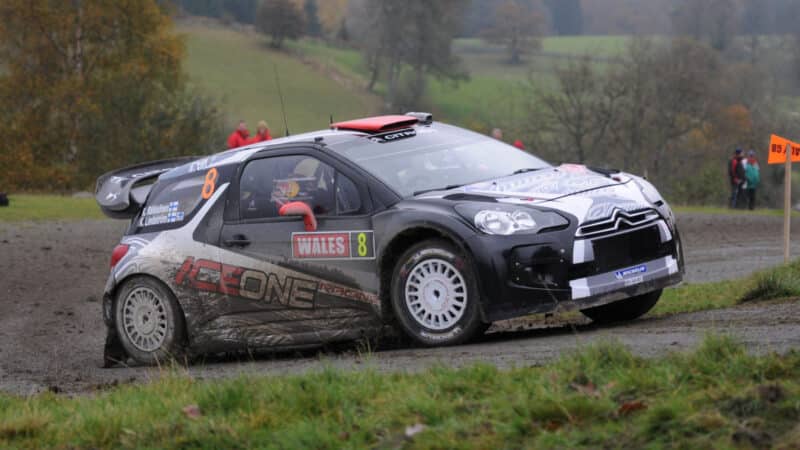
Raikkonen’s rallying spell didn’t yield great results
Getty Images
Going in the other direction, WRC superstar Sebastien Loeb came tantalisingly close to an F1 drive in 2009. With a second place at Le Mans 2006 already on his CV – and an impressive F1 run with Renault the following year (within 1.5sec of Heikki Kovalainen‘s time on the same day) – he was giving serious thought to a new challenge by 2008.
He was already a Red Bull-sponsored driver and the company decided to go one better than just a promotional test: Loeb would take part in an official F1 test session at Barcelona in the winter of that year, along with all the regular teams and drivers. There was an initiation test at Silverstone to get him up to speed before taking the plunge. In Spain set the eighth fastest time of the day, had no incidents and looked very much at home out on track.
Red Bull was seriously considering him as a potential replacement for Sebastien Bourdais at Toro Rosso in the early part of 2009, as the latter’s form flatlined. Loeb’s close fight for the WRC title precluded that, but he was instead pencilled in for the season-ending Abu Dhabi Grand Prix, a week after he clinched his sixth consecutive WRC title. But the FIA did not agree to make an exception to his absence of qualifying points for an F1 superlicence. Aged 35, it was probably already a little too late. He continued in WRC and blitzed another three world titles.