
Canada’s first-ever heart transplant using a heart that stopped beating before being donated has successfully been performed in Toronto, according to University Health Network (UHN).
The hospital network said the “successful completion of Canada’s first donation after death by circulatory criteria (DCC)” heart transplant was carried out in early September at Toronto General Hospital.
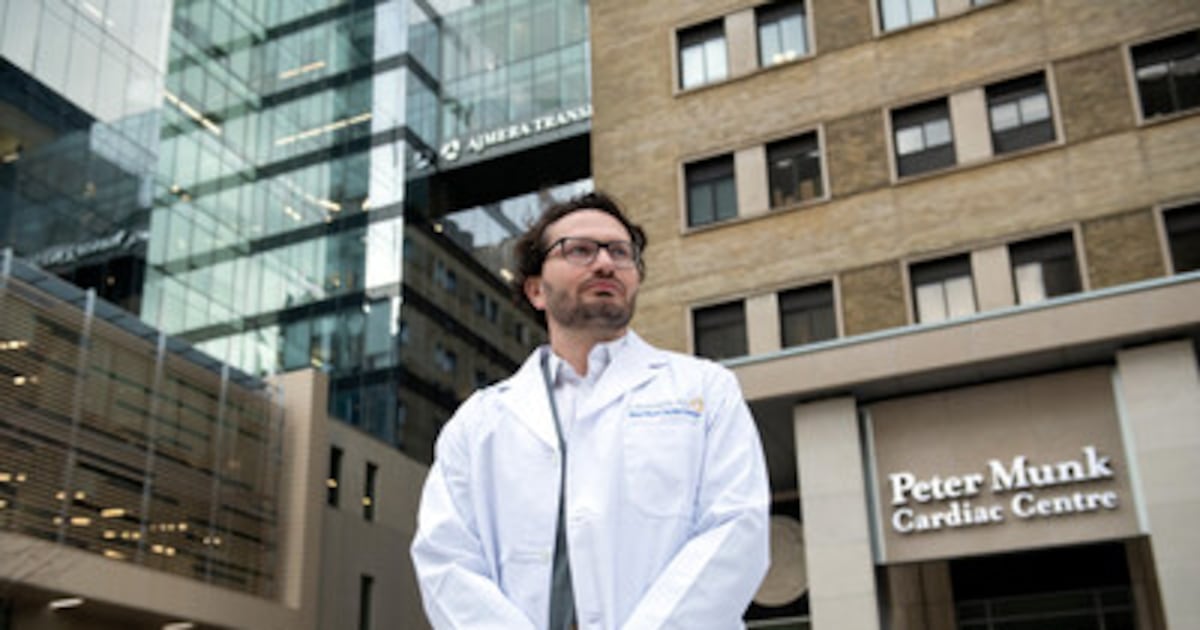
Cardiac surgeon Dr. Seyed Alireza Rabi at UHN’s Peter Munk Cardiac Centre led the procedure alongside Dr. Michael McDonald’s team of cardiologists.
“Traditionally, heart transplants have only been possible from donors where the brain has permanently ceased to function, while the heart continues to beat,” UHN said in a news release.
Donations after death by circulatory criteria involves patients who do not have a chance of neurological recovery and also don’t meet the criteria for brain death.
Once the patient, or their family, has agreed to being taken off life support and their death is confirmed, UHN says it quickly recover their organs.
Though these hearts are briefly without oxygen, UHN says today’s medical technology assists with successful transplantation under “carefully defined” criteria.
“Heart transplantation is the only cure for advanced heart failure. Many advanced heart failure patients never make it to the waitlist, and a significant number of those who do succumb to their disease while awaiting precious organs,” Rabi said in Wednesday’s release.
This is not the first successful DCC transplant Rabi has performed, as he was part of the team that conducted the surgery at the Massachusetts General Hospital in 2019.
Ontario Health Minister Sylvia Jones congratulated the medical team for the “historic milestone in Canadian healthcare.”
“The first DCC transplant in Canada performed right here in Ontario demonstrates how innovation and collaboration can save more lives,” she said in the release.
By the end of 2024, the Canadian Institute for Health Information says there were 184 Canadians waiting for heart transplants—29 of whom were children.
This type of transplant is projected to boost the heart donor pool by 30 per cent, UHN said.
The transplant recipient is “recovering well,” the hospital network said.