
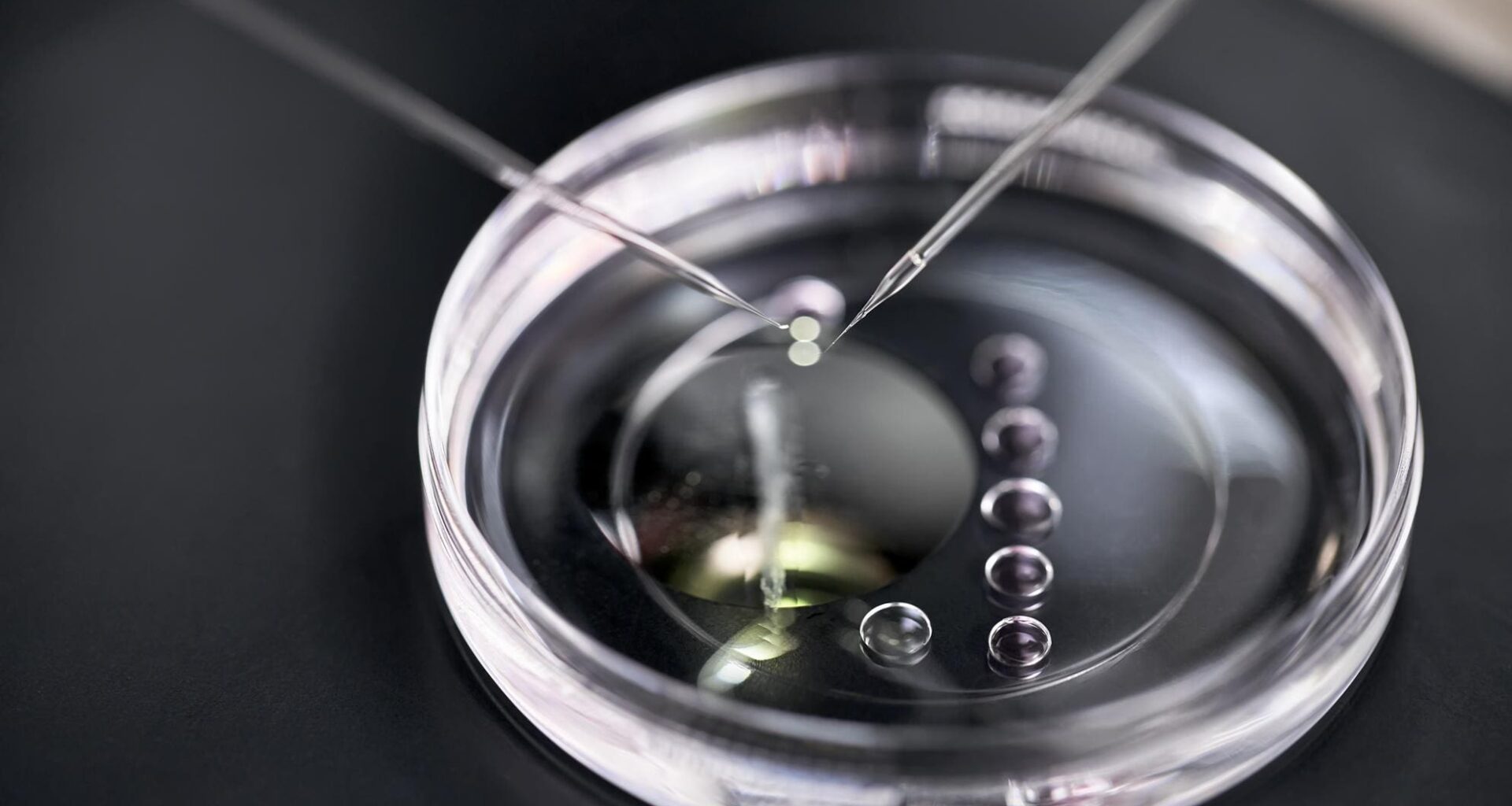
Human eggs made from a volunteer’s skin DNA were fertilized in the lab on September 30, 2025, and some grew for nearly a week.
A peer-reviewed study reports that early embryos formed, although most stalled because their chromosomes did not sort cleanly.
…
The research was led by Shoukhrat Mitalipov, director of the OHSU Center for Embryonic Cell and Gene Therapy (OHSU) and colleagues at Oregon Health & Science University.
Follow the latest news and policy debates on sustainable agriculture, biomedicine, and other ‘disruptive’ innovations. Subscribe to our newsletter.
The researchers used somatic cell nuclear transfer to put the nucleus from an adult skin cell into a donor human egg whose own nucleus had been removed.
[Scientists] used a body cell to reset development, proving that mature DNA can be reprogrammed to act as if it came from a newly formed egg. They then pushed this hybrid egg to act like a natural egg.
…
Fertilization followed by electrical pulses and a cell cycle drug helped eggs shed extra chromosomes.
…
If chromosome control can be tamed, in vitro gametogenesis (IVG) could help women who no longer have viable eggs, after cancer therapy or age-related decline.