
Staff shortages at Yukon’s smaller community health centres are not new, but some residents say this past year has been especially bad.
Some of those centres — in Faro, Pelly Crossing, Ross River — have been without nurses for days and even weeks at a time, with sometimes just a paramedic on staff. In Faro, the situation led to a month-long closure this past September.
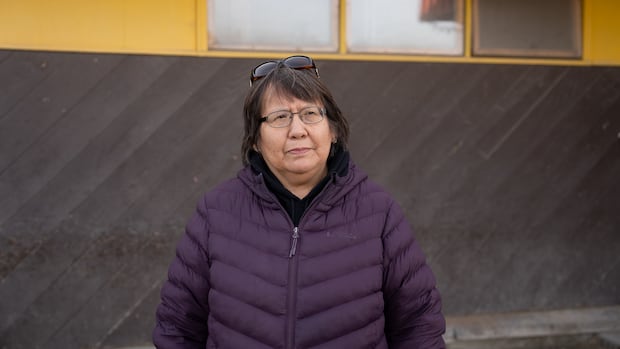
Maryann Etzel lives in Ross River and had to drive five hours to Whitehorse last month when her local health centre was closed. In Whitehorse, she then waited a further five hours in the emergency room for care.
“It was very hard on me,” she said. “It does worry me. We could have an emergency, and living in a small community, we don’t have the resources, we need accommodation, travel.”
Louie Tommy, a Ross River Dena Council elder, described being recently ill with the flu and returning to the clinic multiple times over a period of days. Each time, it was closed.
“I’m concerned about the people of Ross River,” he said. “People need to understand the necessity of a health centre in our community.”
While the Ross River facility is now open and staffed, a doctor isn’t available to visit the community until December. The health centre is typically staffed by two primary care nurses, and a physician visits around once every two weeks.
In the Dena General Store in Ross River, Joanna Dick put up a flyer with information about the federal Non-Insured Health Benefits (NIHB) program. The program helps First Nations people with things like medical travel when provincial or territorial health care is not available.
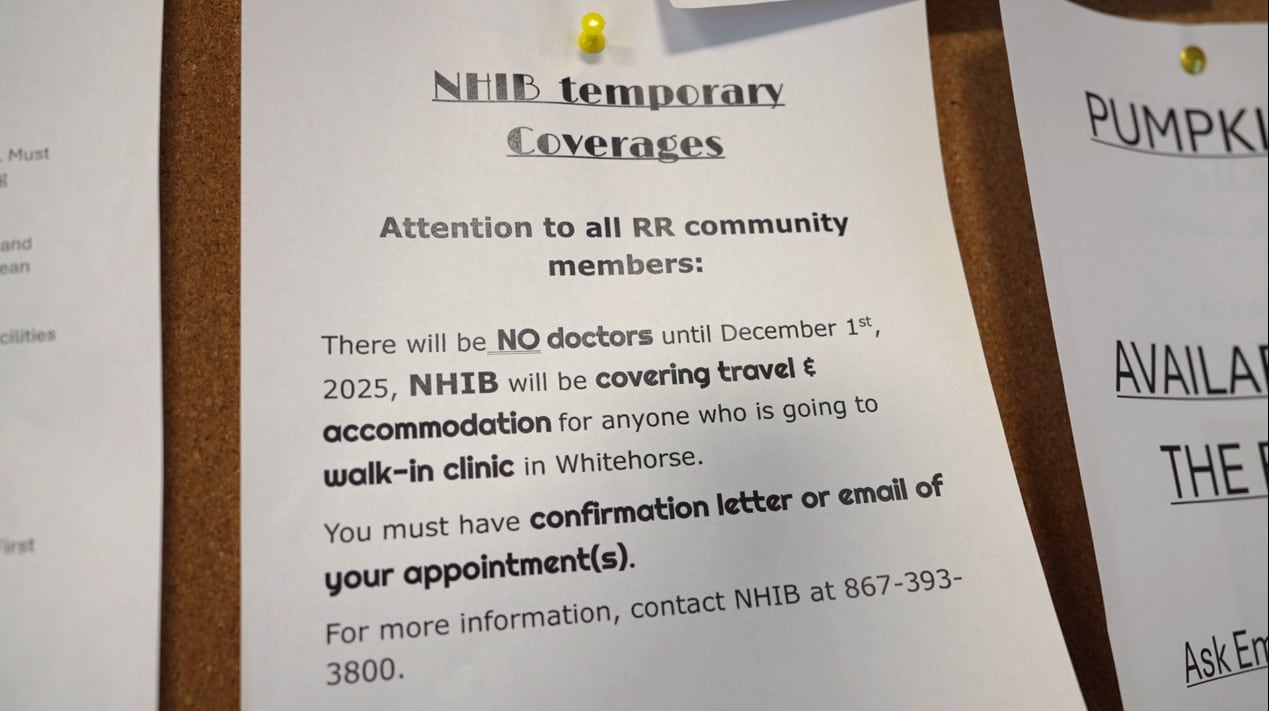 A flyer offering additional medical support, posted at the Dena General Store in Ross River this month. (Chloé Dioré de Périgny/CBC)
“This is a new strategy to help address the doctor and nursing shortage,” she said. “I know there’s a lot of people out there that are shocked, because I was too.
“It’s just a shocking thing that’s happening right now.”
How parties say they’ll help
Yukon’s three political parties, now on the campaign trail, have each announced health care promises that touch on rural needs.
The Yukon Party has promised to launch a “robust recruitment campaign” to attract health-care workers to rural Yukon and “offer incentives for them to establish roots.” The party also promised to better support home care workers and community teams, review medical travel rates, and work to develop medical lodging options in Whitehorse and Vancouver.
“Rural Yukoners have unique needs and make significant contributions to our territory,” said Patti McLeod, the Yukon Party’s candidate for Watson Lake, Ross River and Faro, in a news release. “Ensuring their health care needs are met is truly important to the Yukon Party team.”
The Liberals, in power since 2016, say they would expand home care support in rural communities, “evaluate long term care options beyond Whitehorse,” continue work on a medical travel lodge in Whitehorse, and increase aftercare support.
“Under our government, nurse vacancy rates have dropped from nearly 50 per cent to under 20 per cent, and we’ve strengthened recruitment with both local and international efforts,” wrote party spokesperson Laura Seeley in an email.
She also said the Liberals will “expand the Yukon’s family physician residency program, so more doctors train and stay here.”
The Yukon NDP party addressed the ongoing clinic closures directly, promising to hire 10 new nurse practitioners, raise wages, and launch a community nurse support program to help retain those workers. The program would cover relocation costs and offer social and housing supports.
“Too many Yukoners are finding our community health centres closed for weeks at a time,” said Josie O’Brien, NDP candidate for Ross River, Faro and Watson Lake, in an email.
“Our health care is strongest when care is close to home, but under the Liberals, communities like Ross River, Faro and Carmacks are being left behind.”
That message resonates with Louie Tommy in Ross River.
“Maybe the NDP would help a lot,” he said. “The Liberals don’t do their job. They’re supposed to be here, helping.”
‘Find someone that’s going to stay here and be here’
George Skookum, a program coordinator for Little Salmon Carmacks First Nation says he’s happy with the quality of care he’s received in Carmacks. He says at times it’s faster than when he lived in Whitehorse. He chalks this up to having health care workers who call Carmacks home.
“I think that’s the key – that you find someone that’s going to stay here and be here,” he said.
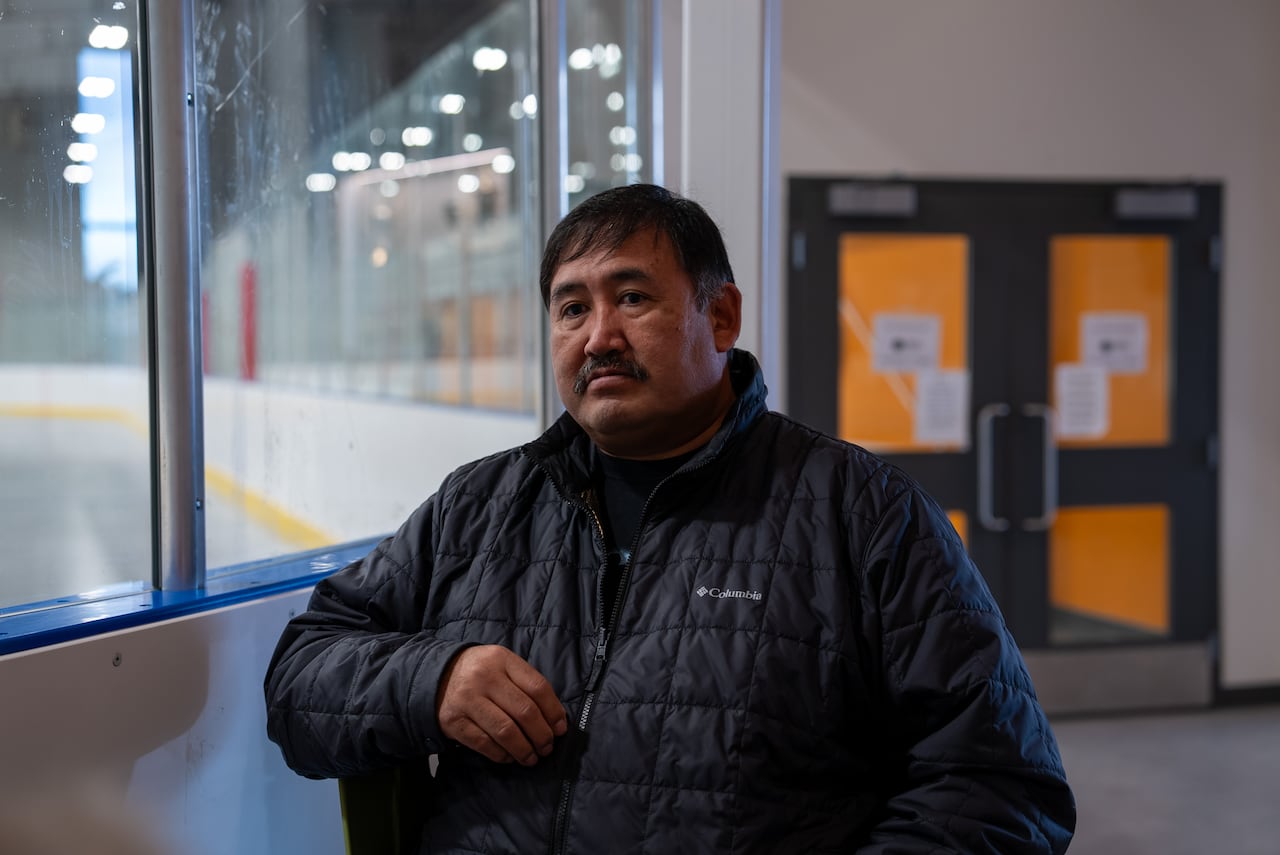 George Skookum is mostly satisfied with the quality of health care in Carmacks. He chalks it up to having health care workers who calls the community home. (Chloé Dioré de Périgny/CBC)
Matt Wilson, a nurse based in Carmacks, agreed, especially in light of the “historical” mistrust some rural and Indigenous residents may have towards health care workers.
“Once you build a connection with the community, people definitely open up more and you can better address some of their health care needs or challenges,” he said.
Wilson says providing continuity of care can be especially important when it comes to those in need of chronic case or long-term disease management.
“I think one of the challenges with transient [workers] is people not feeling connected to those providers,” he said. “It’s not that they’re not good providers. It just takes time to build connections with some people.”
Residents in Faro and Ross River who spoke to CBC News expressed similar feelings.
The challenge can be finding health care workers who want to settle in those smaller communities.
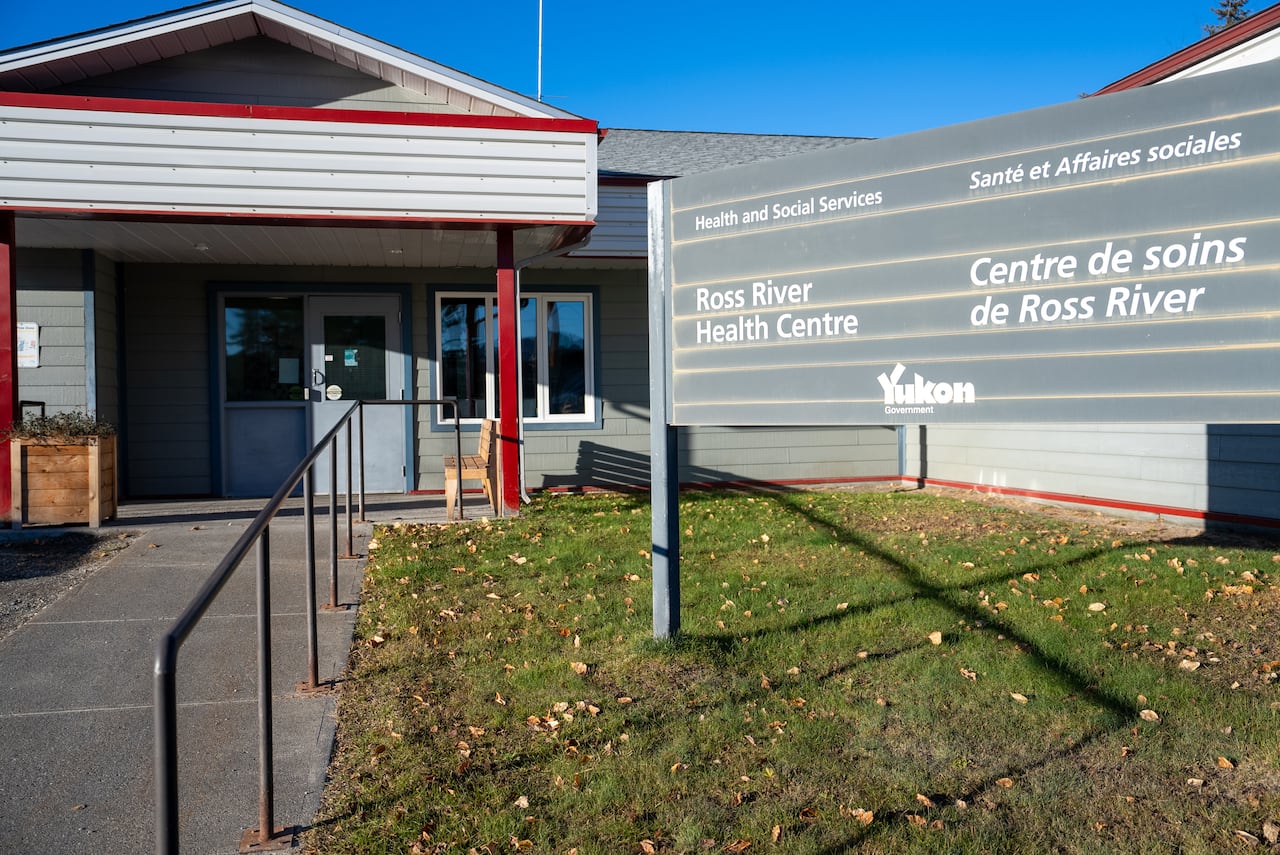 The health centre in Ross River, Yukon. (Chloé Dioré de Périgny/CBC)
Several people, like Joanna Dick in Ross River, said more opportunities for local health education could help.
“If we could do a program in our own community, educate people in our own community, then we wouldn’t have to find someone from out of the Yukon to come to our place,” said Dick. “If we had our own people that could offer that knowledge.”
All three parties have committed to offering more health care training in the territory.
The Ross River Dena Council has at times used its limited budget to help members with emergency medical evacuations.
Some rural residents appreciate the promises to improve the medical travel system, but many told CBC News they they wish care was available closer to home.
“It’s really unfortunate this is happening right now,” said longtime Faro resident Glenis Allen, speaking of the health centre closures and service reductions.
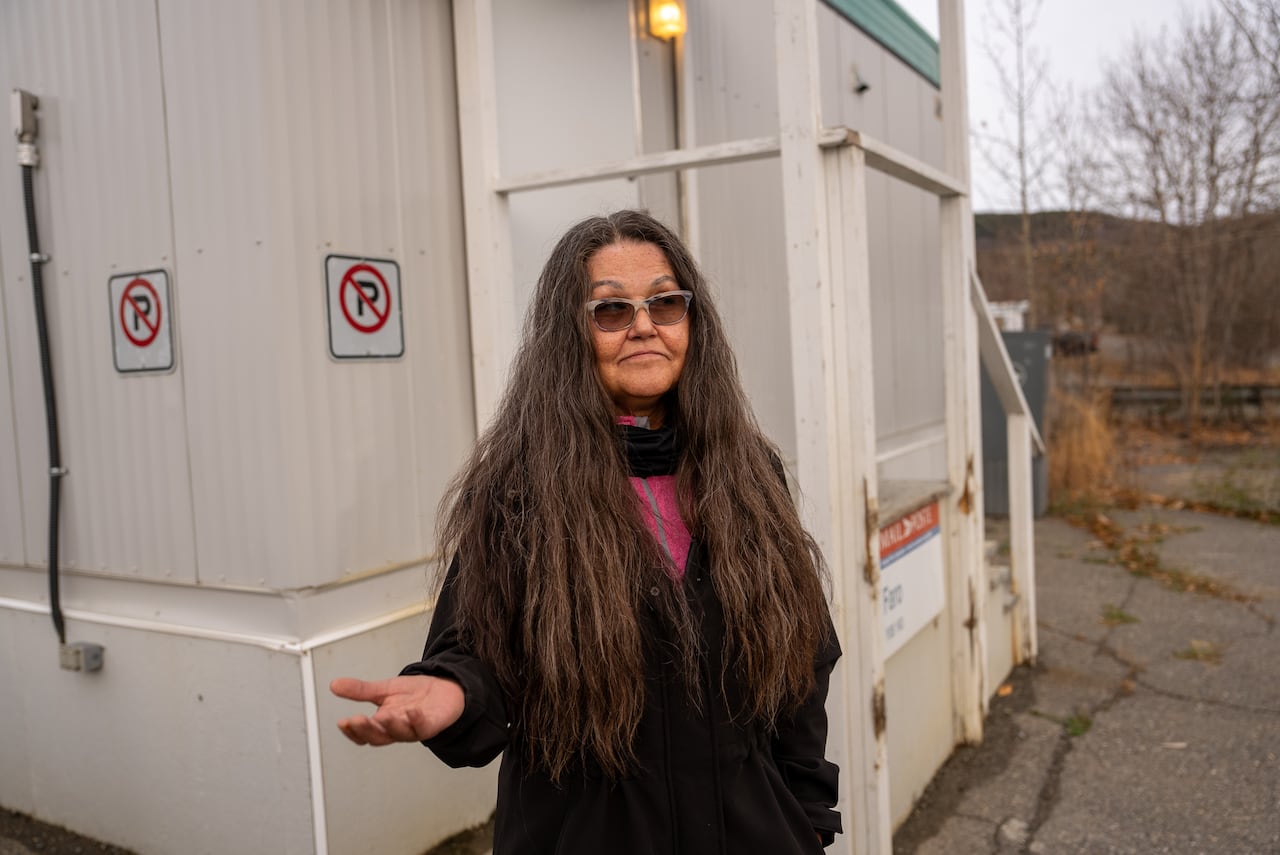 ‘It’s really unfortunate this is happening right now,’ said Glenis Allen in Faro. (Chloé Dioré de Périgny/CBC)
She’s skeptical any party promises will outlast the current campaign, but she says support is sorely needed.
“The impacts are especially bad on the older generation, people with chronic illnesses,” she said. “They may be forced to leave the community.”
For many with deep ties to their communities, that’s difficult to think about.
“Carmacks is important to me,” said George Skookum. “I grew up here, I have grandkids here. You want to make sure they’re looked after when they need care.”