
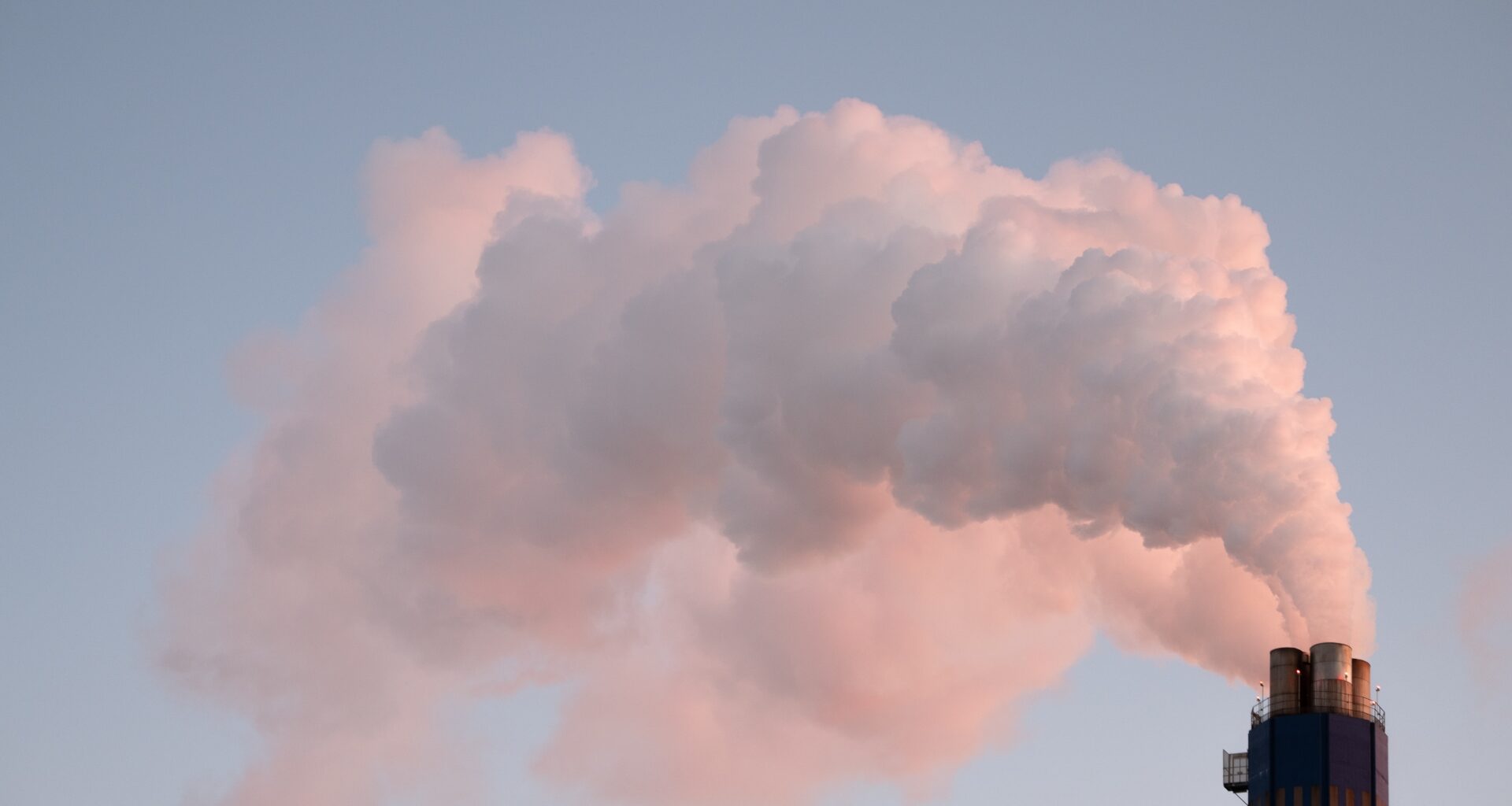
After Canada’s second-worst wildfire season on record, fossil fuel-producing provinces across the country are calling for new export infrastructure. But expanding fossil fuel exports won’t secure Canada’s future — it will strand it.
In British Columbia, just after the federal and provincial governments green-lit the 12 million-tonne per year LNG Ksi Lisims project, Prime Minister Mark Carney committed to expediting LNG Canada Phase 2 via his ‘nation-building’ major projects list. These two projects would, if built, more than double BC’s LNG capacity. Similarly, in Alberta, Premier Danielle Smith’s fantasy of resurrecting a long-dead oil pipeline using taxpayer dollars is central to her goal of doubling oil production. And in Newfoundland and Labrador, the newly elected government is focused on expanding offshore oil production and beginning commercial gas production.
However, betting on oil and gas production to buoy provincial economies is risky for two major reasons, as we wrote in our recent article.
The first is the assumption that the world will keep wanting more of what Canada sells. The biggest threat to any country’s fossil fuel exports is shifting global demand. This is now well underway, driven by lower costs and rising uptake of wind and solar electricity. Globally, investments in clean energy are set to be twice those of fossil fuels in 2025.
The International Energy Agency’s analysis suggests global oil demand may soon peak if governments follow through on current policy commitments, let alone Paris Agreement pledges. Yes, there are still plenty of uncertainties. Tariffs announced by the United States government prompted downward revisions of oil demand forecasts for 2025. At the same time, though, the Trump administration appears to have pressured the IEA to examine a scenario in which governments fail entirely to adopt any new policies for twenty-five years. Yet such an outcome is unrealistic given global climate policy momentum, and it would be a worst-case climate and economic situation given the already intensifying and very costly climate crisis.
The second looming risk is that even with the most bullish forecasts for fossil fuel demand, Canada remains at a competitive disadvantage.
Continued and new investments in fossil fuel infrastructure rest on the shaky assumption that Canada will remain competitive internationally.
Expanding fossil fuel exports won’t secure Canada’s future — it will strand it, write Amy Janzwood, Kathryn Harrison and Angela Carter
Yet Canada’s heavy oil is currently among the most costly to produce, as well as the most carbon-intensive in the world, despite proclamations to the contrary. Canada’s competitors produce at lower cost, with lower extraction emissions. Similarly, Canada’s fossil gas (LNG) exports face immense competition from producers like the US, which can supply massive volumes at lower prices.
Since the re-election of Donald Trump, oil and gas expansion in Canada is often justified using the language of energy security and as a way to counter overreliance on the US. Yet recent talks about reviving another long-dead pipeline — the Keystone XL — to ship oil to Texas signal the oil and gas industry is set on expansion regardless of the buyer.
Instead of making more bad bets on expanding oil and gas — and missing out on the benefits of the global energy transition — leaders across the country are calling for projects that can power the low-carbon economy of the future while also making life more affordable for Canadians. These include longstanding calls for an East-West clean electricity grid, energy-efficient homes, offshore wind and clean transportation infrastructure networks.
Given the mounting threats of stranded assets and community disruption posed by doubling down on oil and gas production, these are the projects the Carney government should fast-track on the next major projects list. Canadians need federal government leadership on projects that actually build our future, rather than those that deepen economic risks and add fuel to climate fires.
Amy Janzwood is an assistant professor in the Department of Political Science and the Bieler School of the Environment at McGill University.
Kathryn Harrison is a professor of political science at the University of British Columbia.
Angela Carter is the Canada Research Chair in Equitable Energy Governance and Public Policy and professor in the Department of Political Science at Memorial University.