
When I fled from the 2016 Fort McMurray wildfire, one of the few things I took was my lucky pen. I was holding it when I found out I had 15 minutes to abandon my home. I also had a feeling I might need it.
I never thought that, almost a decade later, I’d still be writing about what it’s like to lose your home to an apocalyptic firestorm.
But climate change means wildfires have gotten worse. Communities are still being evacuated. Homes are still being destroyed. And now lives are being lost.
The evacuation alerts start earlier every year. In Fort McMurray, residents pack go bags, check insurance policies, and pray for rain.
Canada’s wildfire system wasn’t built for today’s megafires. Its approach is seasonal: hire firefighters in the spring and release them in fall. That means high workforce turnover, more training requirements, and fewer experienced leaders. It also lacks year-round emergency coordinators who could improve national readiness and response mobilization.
That’s what I was planning to tell decision-makers on Parliament Hill last month, as part of a delegation of wildfire firefighters and survivors. We were there to ask government officials to invest resources to boost national readiness.
But as I was staying near Sharbot Lake, Ont., an insanely strong wind blew in. Thank goodness there’s no fire, I thought.
Then I heard a siren.
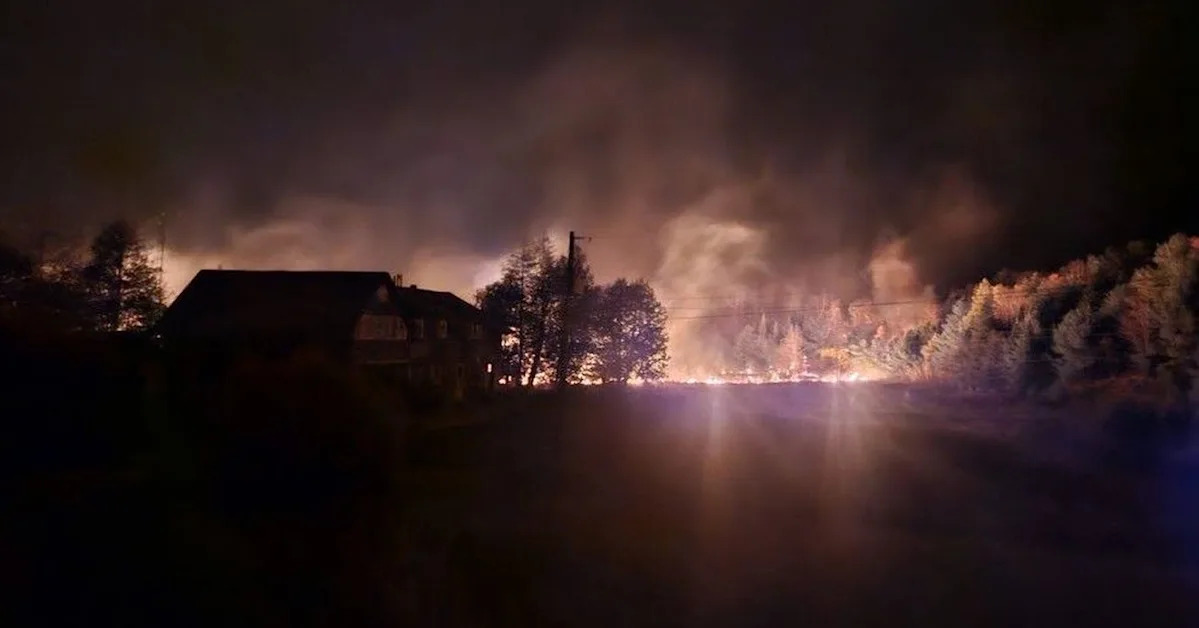
I looked out to see smoke billowing from an island 500 metres away, tinder-dry fall leaves igniting on drought-weakened grass. I put on my running shoes, turned my car around so it faced out for a quick getaway, and tossed my go bag in the trunk.
I could see the volunteer fire department launching boats. On the island, propane tanks were exploding, and residents were hauling buckets of water from the shore.
The firefighters kept coming, as eight structures burned in less time than it takes to watch a movie.
At the exact same time, volunteer firefighters in a nearby township north of Highway 7, about 100 kilometres from Ottawa, were evacuating residents and battling a wildfire started by a downed power line.
I had travelled more than 4,000 kilometres from Alberta’s boreal forest to find myself between two wildfires within an hour’s drive of Ottawa.
Once again, I had a ringside seat to firefighters bravely battling to save their community. One of the evacuees described it as the most terrifying night of her life. You are counting on these firefighters, she told the local media. You know you have to trust them.
I agree with her. I do trust them. So I am no longer asking for help. I am begging.
The federal government must top up training and equipment funds in the Fighting and Managing Wildfires in a Changing Climate Wildfire program. The five-year $284-million program is only halfway through its mandate, and its funding is fully allocated. Many communities, mostly smaller and less affluent, are shut out from this funding for the next two and a half years.
This fund must be topped up now, hopefully in the upcoming federal budget. Every nation-building project – like every Canadian – is at risk from the flames and smoke of wildfires.
The federal government also has to take a leadership role by funding year-round emergency coordinators. At the national level, we must have ongoing and comprehensive asset maintenance, risk-based planning, and early detection and response.
There is not much I can do to help our wildfire firefighters – always brave and dedicated, and increasingly young and fresh out of training. But I can use my lucky pen to tell my story about the need for increased federal support for a national problem.
Therese Greenwood’s memoir, What You Take With You: Wildfire, Family, and the Road Home, is published by the University of Alberta Press.
Related