
‘If we want to have every person attached to a family, a practitioner… then we need to … grow more nurse practitioners now so that we can respond,’ says official
Across the province, nurses of all practices are retiring sooner than planned.
That’s according to Doris Grinspun, CEO of the Registered Nurses Association of Ontario’s (RNAO).
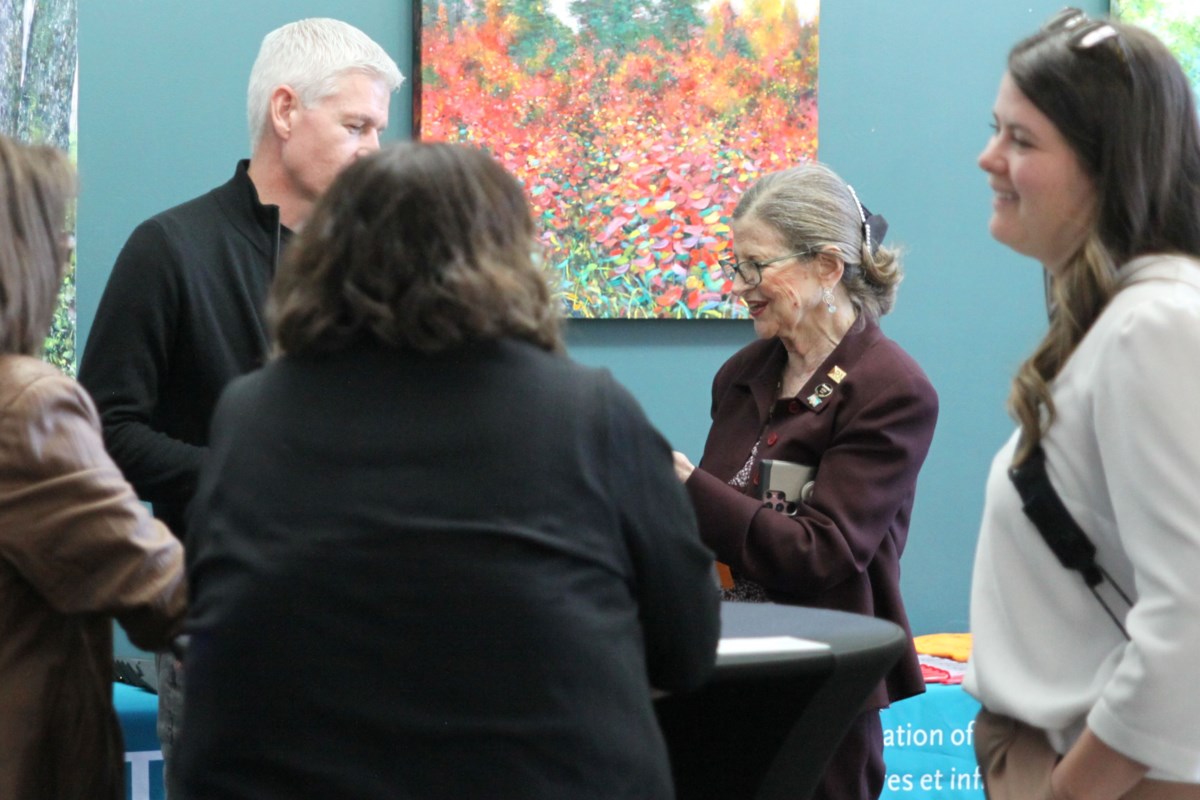
Grinspun was in Thunder Bay earlier this week as part of the RNAO’s 11th annual fall tour, where she met with local nurses and students to discuss the challenges they face while providing care and the solutions they envision.
Nurses and students here face the same burdens as their peers across the province, Grinspun said.
“You see the same challenges with the shortages of nurses. And a report just came out this past week, on the nurses, in the age (range) of 24 to 35, leaving the profession. It has always happened, but it’s happening in larger numbers,” she said.
The pace and complexity of the healthcare system in the province is what’s driving nurses away, Grinspun said.
“There is a portion of people that leave the profession way before they should,” she said.
“We need to really work on how to retain nurses.”
A lack of support for people facing housing insecurity, substance abuse, and mental health issues also affects the nurses today, she said.
“This has got to stop. This fight on people that are unhoused, that don’t have a home, this war that the province is having with them and municipalities in certain jurisdictions needs to stop, people are people.”
The closure of safe consumption sites, shelters, and food banks forces a large demand of the population into the hands of nurses, she said.
“You, me, anyone else, we’re all the same, and we need to treat everybody the same way with dignity, and to close shelters or close the safe consumption sites is the opposite of treating people with the dignity that they need and deserve.”
“This is very demoralizing for everybody, and very much demoralizing for health care professionals that come across people that they want to help but cannot help all the way.”
Grinspun said nurses are leaving because of the amount of work and lack of compensation.
“What employers and (the) government needs to understand today is that nursing is a career filled with opportunities, and if the opportunities don’t happen here in Ontario and here in Thunder Bay, people will find opportunity somewhere else,” she said.
“Hopefully, we will continue to bring nurses and retain nurses.”
In February 2024, courts struck down Bill 124, an Ontario law that limited public sector wage increases to a maximum of 1 per cent per year for a three-year period, aiding nurses in their fight for fair pay, Grinspun said.
“We fought tooth and nail until that’s gone,” she said.
Despite a high turnover rate for nurses in the province, after the pandemic, Grinspun said more people than ever are inclined to become nurses.
“The pandemic did something to this profession, probably the profession got exhausted, but the public didn’t get exhausted of the profession,” she said. “The desire for people to become nurses is higher than ever before.”
“People from other professions … want to become nurses. That tells a lot,” she said.
A new provincial initiative providing 50 fully-funded nursing education seats at Confederation College, will provide some relief.
“If we want to have every person attached to a family, a practitioner… then we need to grow more seats. We need to grow more nurse practitioners now so that we can respond,” she said.
Approximately 2.5 million people across Ontario currently don’t have access to a nurse, she said.
“And then the issue of family doctor shortages will become less serious for the public. The public needs access to primary care,” she said.
Currently, the RNAO is working on securing equal pay between different sectors of nursing.
“That will help maintain people in the sectors that they like,” she said.
“What’s good for the public is good for nurses.”