
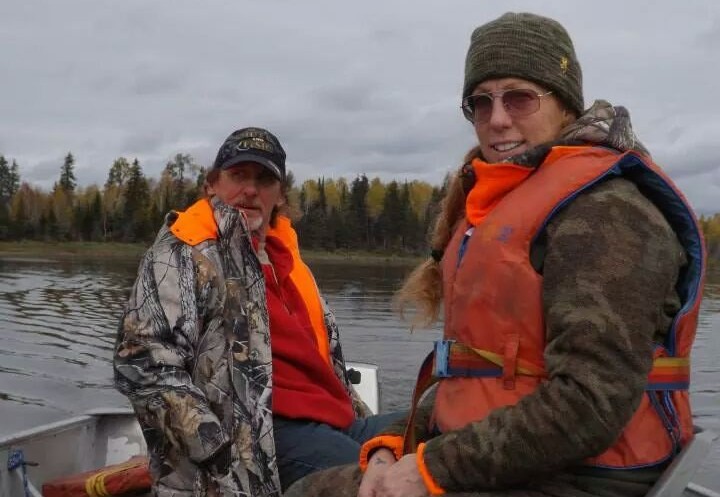
There are moments in life that stay with us forever—moments filled with laughter, patience, adventure, and the simple joy of being together in nature’s embrace. One such unforgettable trip took place at Separation Lake in Northwestern Ontario, where my family and I experienced a weekend of fishing, moose hunting, and creating memories that will last a lifetime.
The trip was a perfect blend of tradition, excitement, and serenity. My uncle (a resident of Kenora), my husband, my youngest son, and I set out to catch fish and look for that magical bull moose on this adventure.
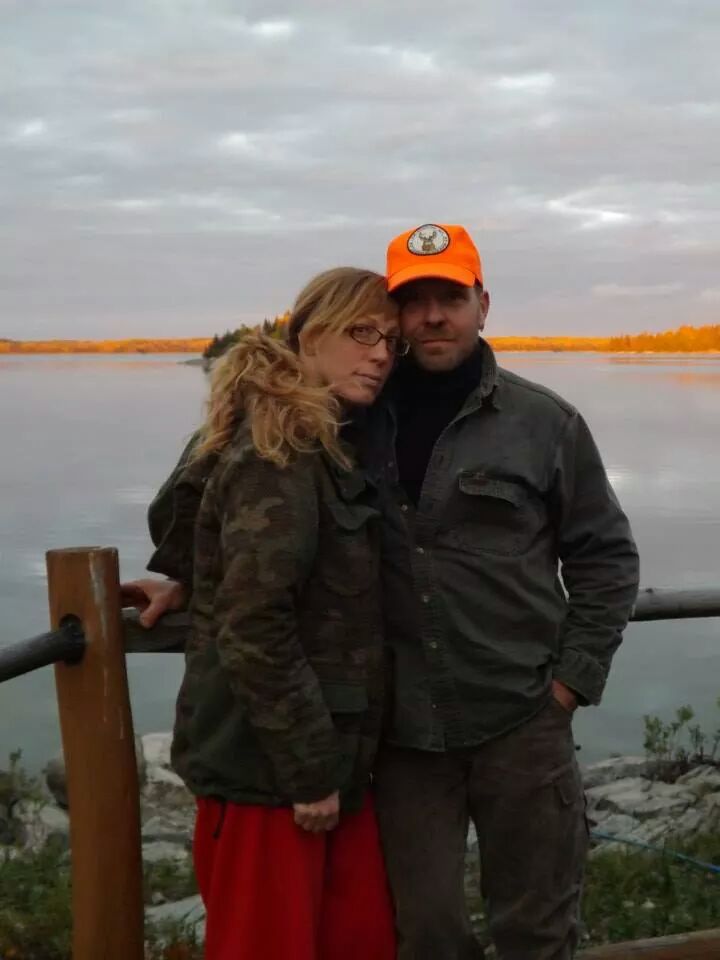
The Fishing Adventure
Fishing was to fill in the gaps of the hunting trip. We would cast our lines into the clear, cool waters, and it didn’t take long before we started hooking into some impressive fish, and if nothing hit in 5 minutes, my uncle would just move the boat to a new location. All of our fishing was done with jigging and it worked well. We caught our limit in now time of walleye—a prized catch in Northwestern Ontario.
Walleye are known for their delicious taste and are a favorite among anglers and diners alike. Their firm, flaky white meat makes for an excellent feast, and we were lucky enough to land several. When we returned to camp, the smell of freshly cooked walleye filled the air—crispy, tender, and bursting with flavor. It was an incredible feast, enjoyed together under the open sky, celebrating a successful day in the wild.

Hunting and Wilderness Moments
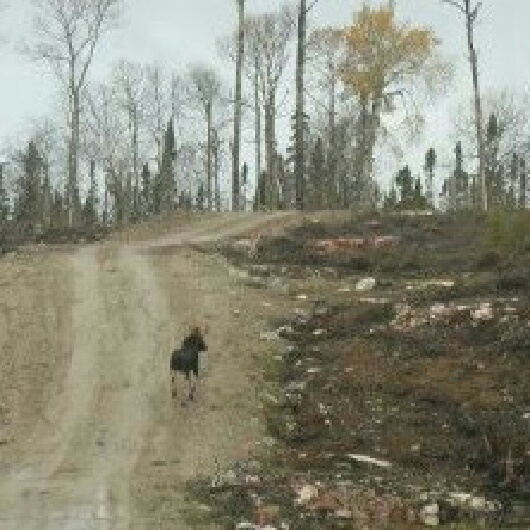
Our trip’s focus was moose hunting—a true test of patience and skill. We scouted the bays of the lake and moved around quietly in the boat to different locations until we were convinced it was the perfect position. We spent a few days with our eyes sharp and senses alert. I learned a lot from my uncle on this trip; he had been a guide for many years, and having him demonstrate how he does his moose calls, along with all the small details he picked up over the years, was priceless. Those lessons are treasures I still use today.
Hunting a bull moose is no easy feat. These majestic creatures are cautious and aware of their surroundings, making patience and knowledge crucial. The key is understanding their habits—moose are most active during dawn and dusk, especially around water sources, salt licks, and feeding areas. We focused on stealth, moving slowly and quietly, watching for signs like fresh tracks, droppings, and rubs on trees.
Using a good moose call is essential. My uncle showed me how to imitate the deep, resonant bellows of a bull, which can attract a curious or territorial moose. Timing and patience are everything; sometimes you call for a while, then wait quietly, listening and watching for movement. When a bull responds or comes into view, it’s a moment of pure awe—these animals are truly magnificent.
Once we spot a promising bull, the challenge would be to get within range or not get busted, often requiring us to stay still and hidden for long periods. The thrill of finally spotting a bull moose—especially a good-sized one—is unmatched. It’s a combination of skill, luck, and respect for the animal. And when the moment is right, a well-placed shot is the culmination of all the preparation and patience. Although we did not harvest a moose on this trip because our adventure was cut short unexpectedly, the experience was invaluable.
Moose camp is the best camp. As the sun dips below the horizon, the coziness of camp, knowing you have a fire and warm food waiting, is always welcoming. We shared all the day’s highlights and brainstormed potential future adventures, laughing and just embracing where we were. I remember the one night my uncle trying to teach me to bull call, every detail of failing still lingers in my memories and I laugh just as hard now as I did then. If you are a moose hunter, you know that moose camp is precious and that group you are with even more precious.
Hunting moose is a lesson in patience, respect, and connection to nature, it is irreplaceable.

Crispy Fried Walleye Recipe
Ingredients:
4 walleye fillets
Salt and pepper to taste
1 cup all-purpose flour
1 teaspoon paprika (optional for color)
1 teaspoon garlic powder
1 teaspoon onion powder
1/2 teaspoon cayenne pepper (optional for a bit of heat)
2 eggs
1/2 cup milk
1 1/2 cups breadcrumbs or cornmeal (for extra crunch)
Vegetable oil or canola oil for frying
Lemon wedges and tartar sauce (for serving)
Instructions:
Prepare the Fish:Rinse the walleye fillets and pat dry with paper towels.
Season both sides with salt and pepper.
Set Up Breading Stations:In a shallow dish, mix the flour, paprika, garlic powder, onion powder, and cayenne pepper.In another bowl, whisk together the eggs and milk.
Place the breadcrumbs or cornmeal in a third dish.
Bread the Fish:Dip each fillet into the seasoned flour, coating evenly.Then dip into the egg mixture, letting any excess drip off.
Finally, coat the fillet in breadcrumbs or cornmeal, pressing gently to adhere.
Fry the Walleye:Heat about 1 inch of oil in a large skillet over medium-high heat until hot (about 350°F or 175°C).Carefully add the fillets, skin-side down if skin is on, and cook for about 3-4 minutes per side, or until golden brown and cooked through.
Do not overcrowd the pan; cook in batches if necessary.
Drain and Serve:Remove the fillets from the oil and drain on paper towels.
Serve hot with lemon wedges and tartar sauce.

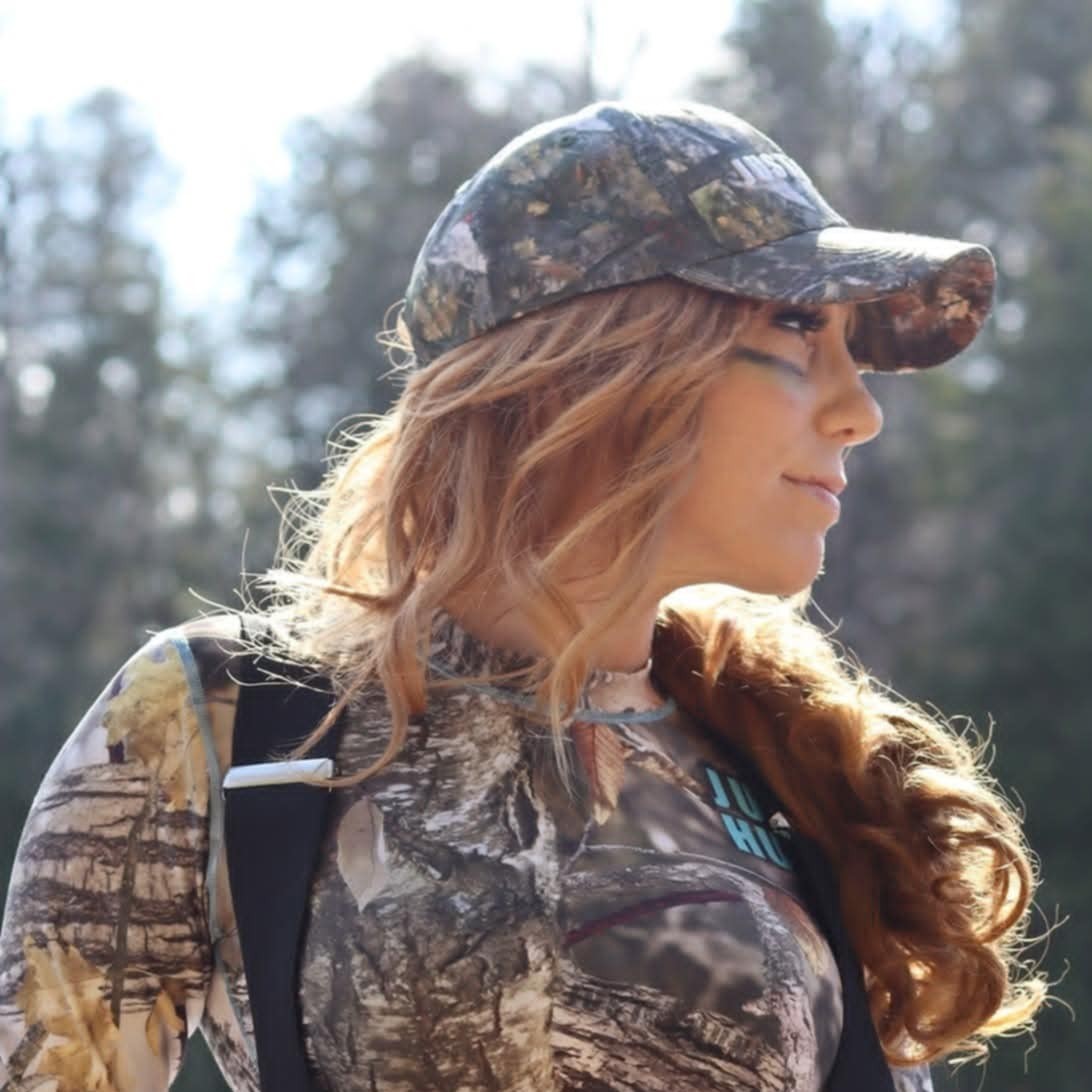
Amanda Lynn Mayhew is a passionate outdoor enthusiast, advocate for conservation, and talented filmmaker known for inspiring others through her adventures and environmental efforts. The native of Manitouwadge combines her love for nature with storytelling to promote outdoor recreation and wildlife preservation.