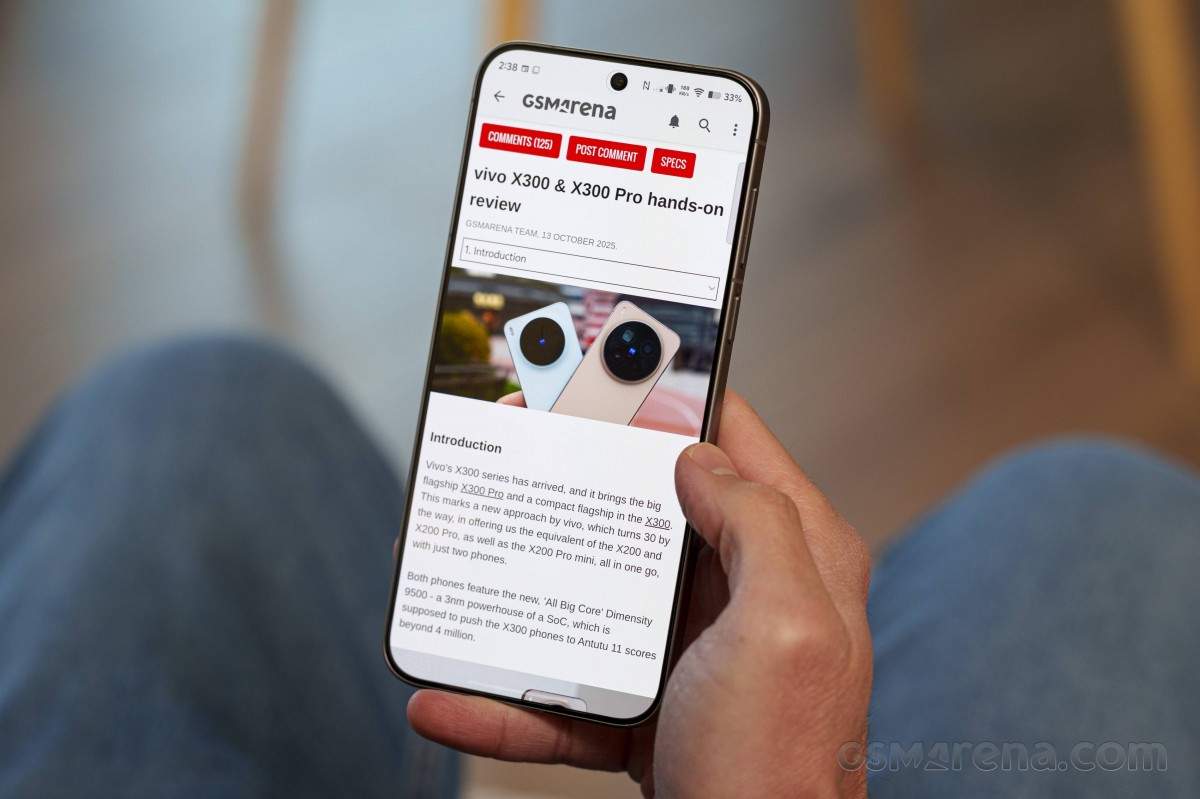
Design, build quality, handling
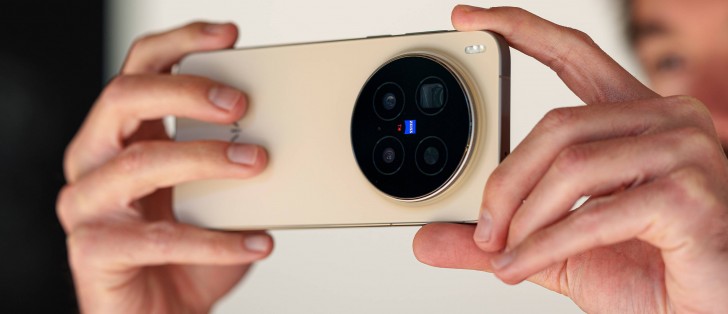
The vivo X300 Pro stays true to the model’s lineage and its roots are immediately recognizable, though it’s not without its share of changes. The large camera island is the centerpiece as before, a small but proud Zeiss badge in its middle, while both the front and the back have gotten entirely flat – a universal trend.
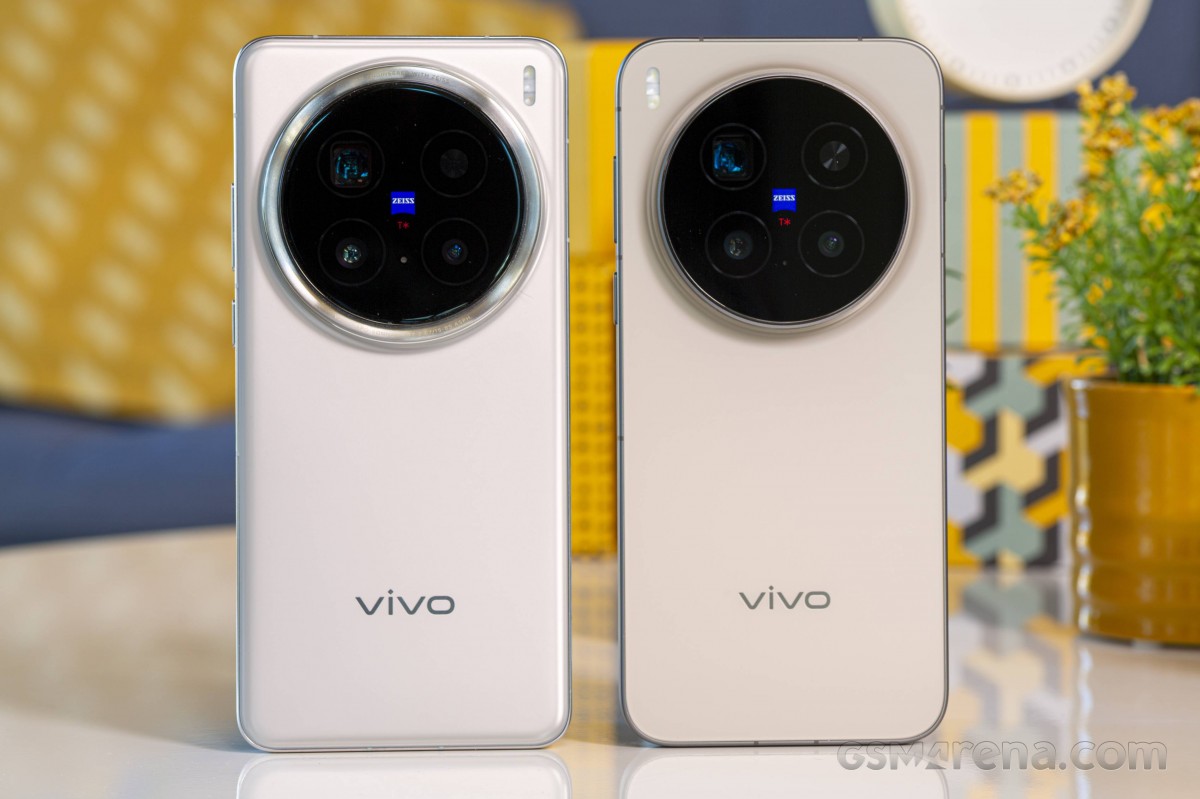
X200 Pro (left) next to X300 Pro
In fact the whole camera cluster looks nearly identical to last year’s model, only the step-down ring around it has disappeared – perhaps a prerequisite for the telephoto extender kit’s case. Or just a design choice – either way, the large black glass circle is here to stay.
Some may find it too obtrusive and in stark contrast with the lighter paintjobs, and for those folks vivo has a classic black option. That and our review unit’s brown colorway are seemingly global, with the baby blue (also pictured below) and white variants limited to China – don’t quote us on that though.
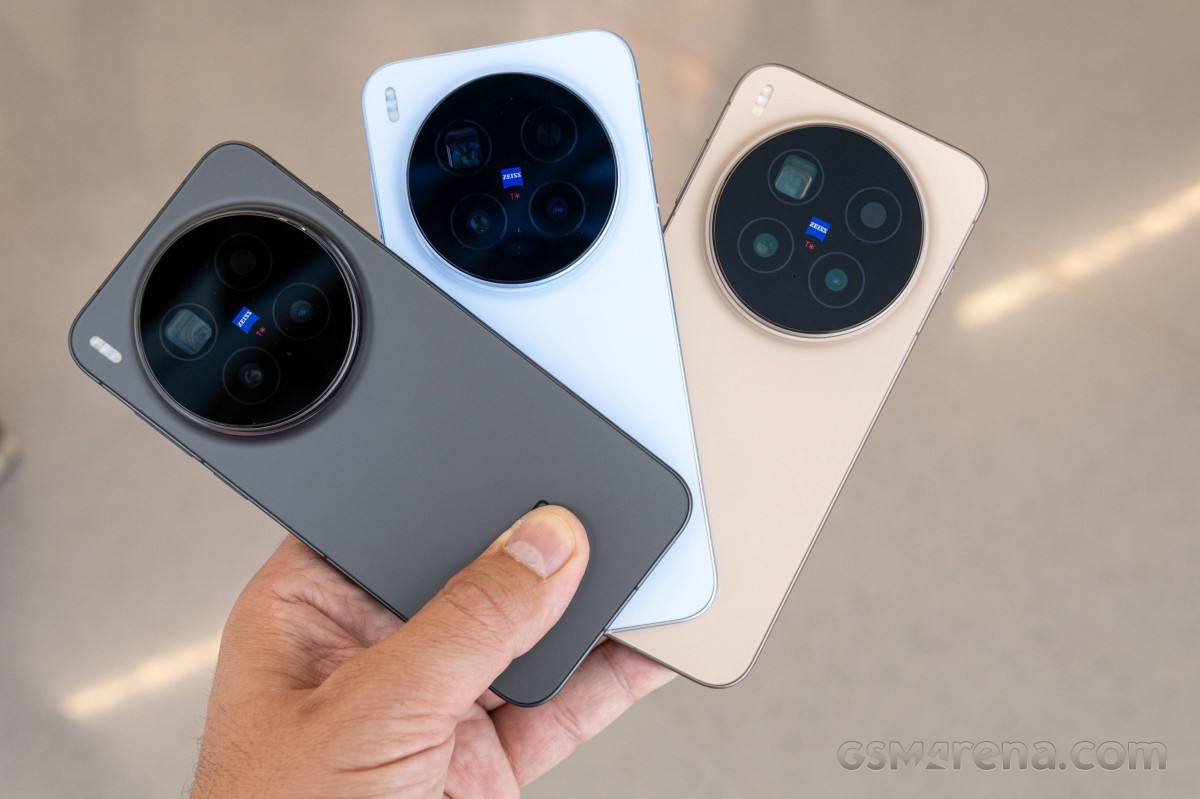
vivo X300 Pro color options
Regardless of color, the flat rear panel is frosted glass (unspecified make) and is quite slippery, but at least it doesn’t pick up fingerprints. The aluminum frame is flat so it offers plenty of gripping area, but has just the right minimal radius fillet towards the glass that nothing feels scratchy.
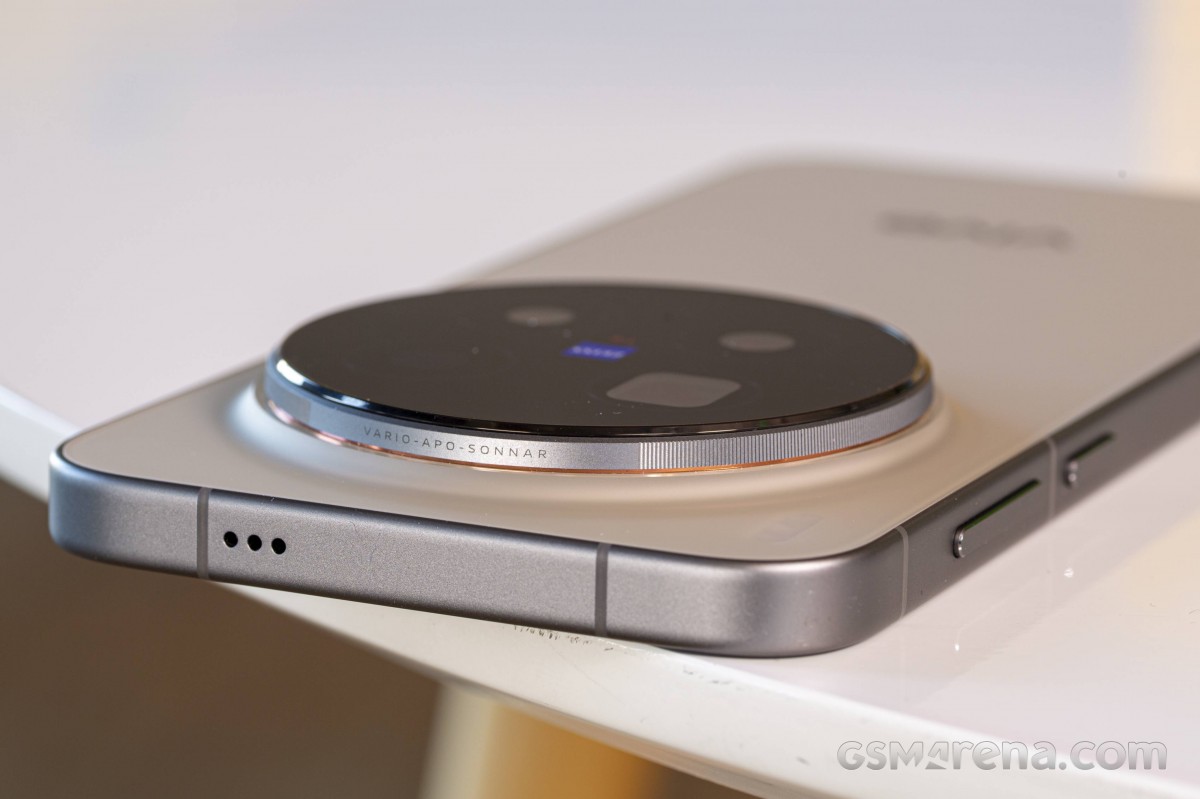
Alongside the frame, you’ll find the usual controls and other bits, plus one extra button. vivo calls it a shortcut button (which is more like they’re not calling it anything specific) and it can be used to run some tools and launch the camera, but there’s no dedicated camera control area like the X200 Ultra has. Maybe on the next generation.
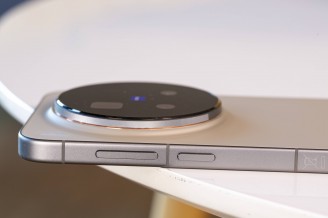
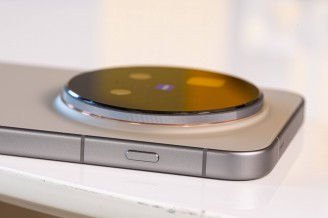
Volume rocker and power key on the right • Shortcut button on the left
The phone has a dual nano SIM slot on the bottom and also supports eSIM.
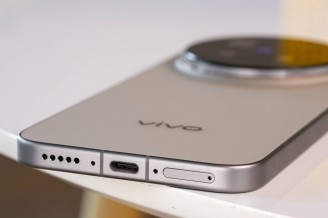
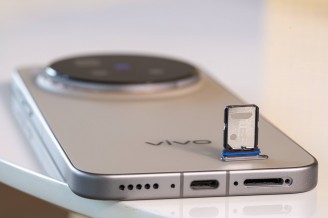
Bottom bits • Duul nano SIM slot
Over on the front, the display is surrounded by a nicely thin uniform bezel and the glass (Armor Glass) is all flat – the X200 Pro’s faint curvature is the last we’ll be seeing of this. The X300 Pro should then be okay to accept glass screen protectors, if you’re into that.
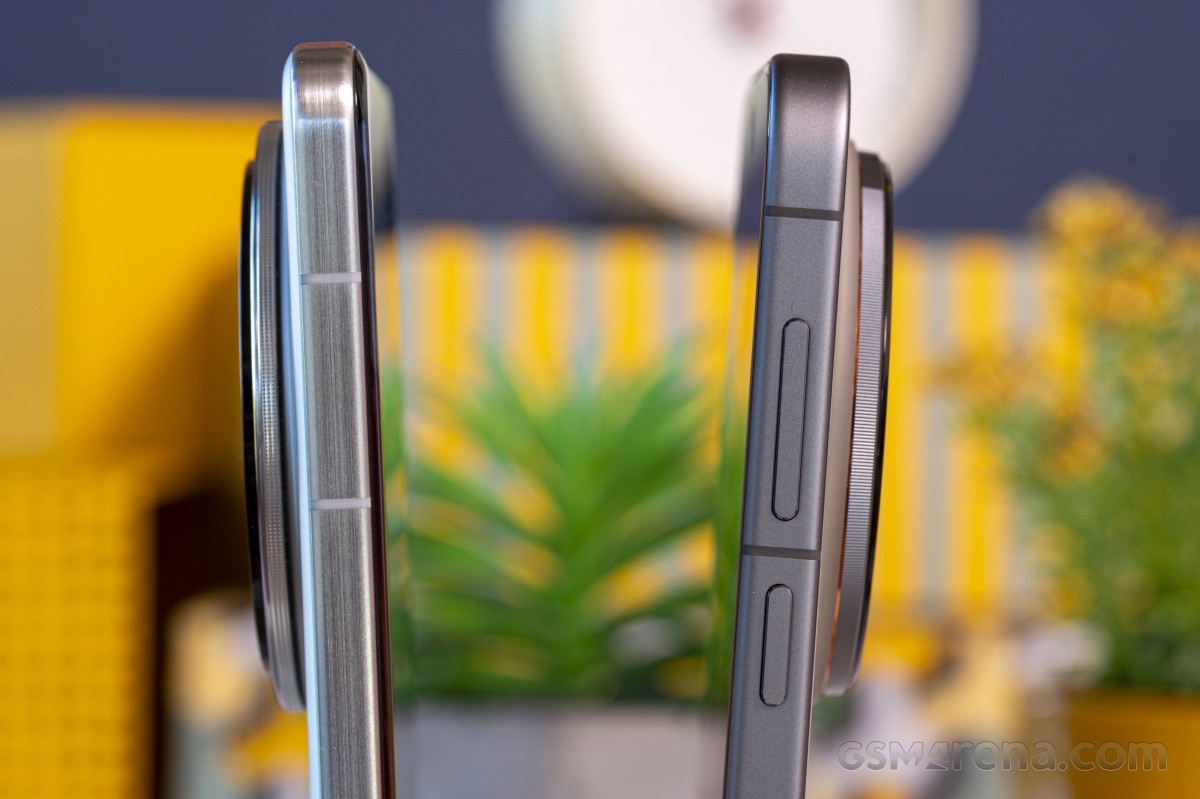
Curved-edge X200 Pro (left) next to flat X300 Pro
The ultrasonic fingerprint reader might not be entirely okay with added layers of this kind though. There is a factory applied plastic sheet and it doesn’t interfere with the sensor’s operation – unlocks are speedy and reliable. And the sensor’s location is great too.
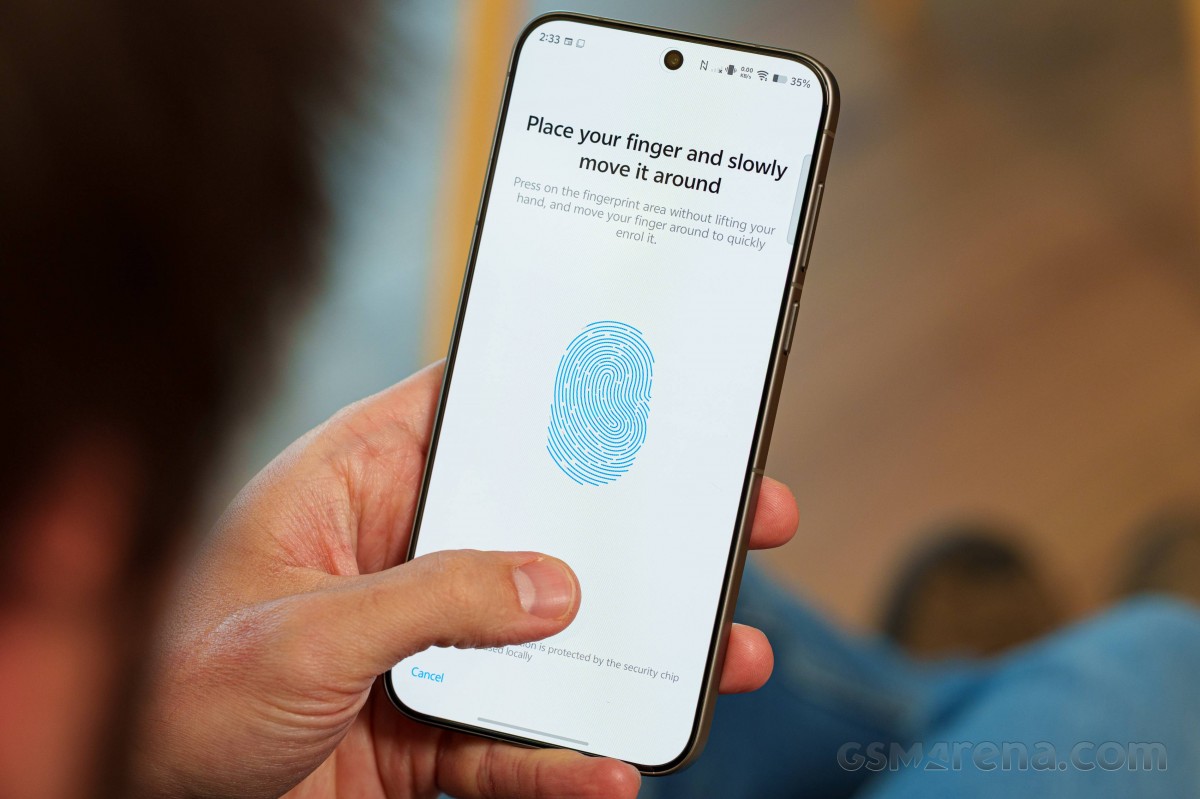
The X300 is IP68/IP69 rated for dust and water resistance and it should survive without incident if you dunk it in water as deep at 1.5m for up to 30 minutes or if you pressure wash it at up to 80C degrees, like everyone normally does their tech cleaning, right? Right?
Overall, it’s a nicely feeling premium handset that handles well and doesn’t fight you.
What we’d point out is that it weighs 226g – normally a non-issue for its class of smartphone, only in its particular case you’re carrying dead weight in the form of a battery that’s not fully utilized. Apparently that’s how makers go about selling different capacity batteries in different markets and the EU gets all of the weight, only some of the capacity.