
The often outspoken former Giro d’Italia stage winner Jérôme Pineau — who blew up the Vuelta a couple of years ago when he claimed (without evidence) the team then known as Jumbo-Visma were motor doping — has found a new topic to stir the pot.
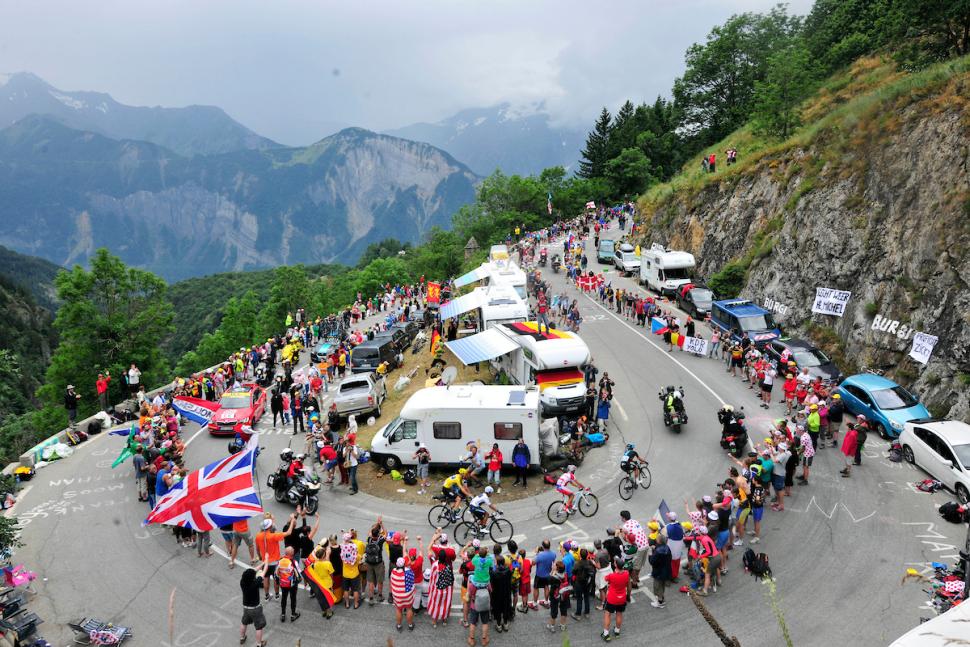
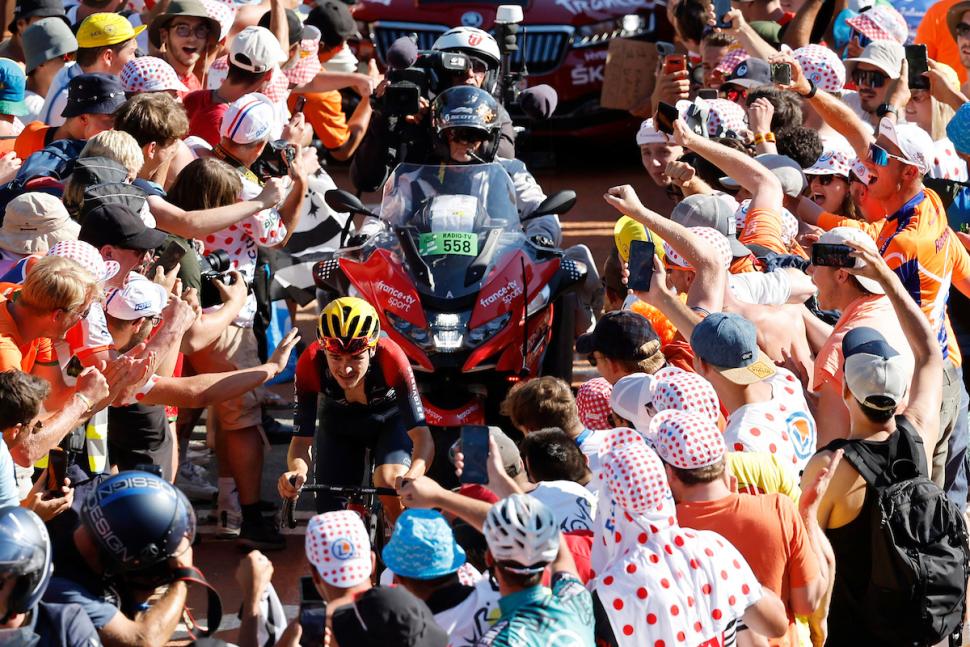
Accepting his stance “would shock people”, Pineau has made the case that Alpe d’Huez’s summit finish at next year’s Tour de France, one of the great roadside spectacles in the sport, should be “privatised” and ticketed for the final five kilometres.
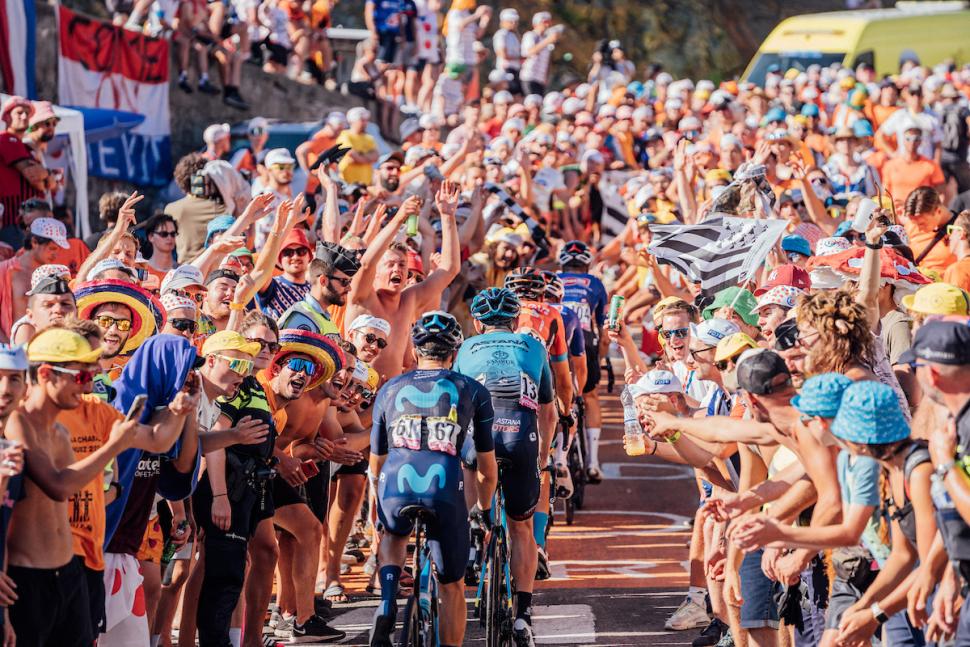
His comments came on RMC’s cycling podcast, the Frenchman claiming cycling is “killing itself” and he expressed concern for the future of the sport. While few would disagree with his analysis that followed, the conclusion that Alpe d’Huez (and presumably other major climbs, roads and stages) should be ticketed for roadside fans has been deeply unpopular.
Pineau slammed the UCI and ASO (the organiser of the Tour and other races such as Paris-Nice, Paris-Roubaix, La Vuelta Femenina and Liège–Bastogne–Liège), accusing them of profiting financially out of the sport while riders and teams struggle to keep the lights on year after year.
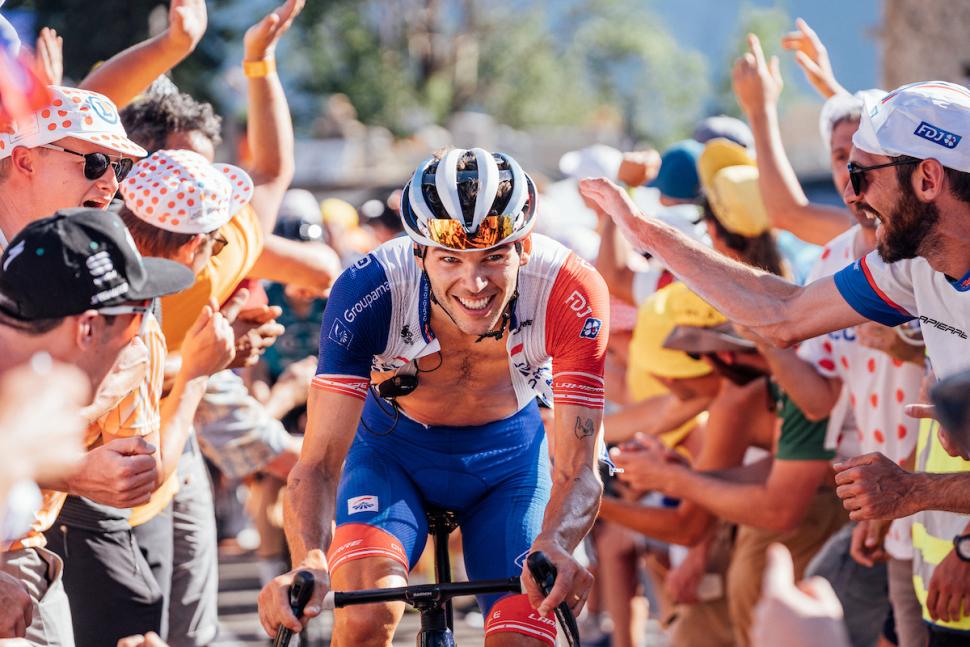
“The people who run us think big because they’re lining their own pockets, as evidenced by these World Championships in Rwanda, which are simply a scandal for the finances of international cycling,” he began.
“I’m going to shock some people, but we’ve created a stage that will go up Alpe d’Huez twice [stage 20 only finishes at the summit and ascends the Col de Sarrene, not the iconic 21 bends]. Let’s privatise the last five kilometres of Alpe d’Huez, let’s charge admission, let’s have VIPs, let’s create something to make money. In the history of cycling, it’s popular, it’s a free sport. But a free sport where there are no more riders on the road because there are only two teams, Bahrain and UAE, is less fun, isn’t it?
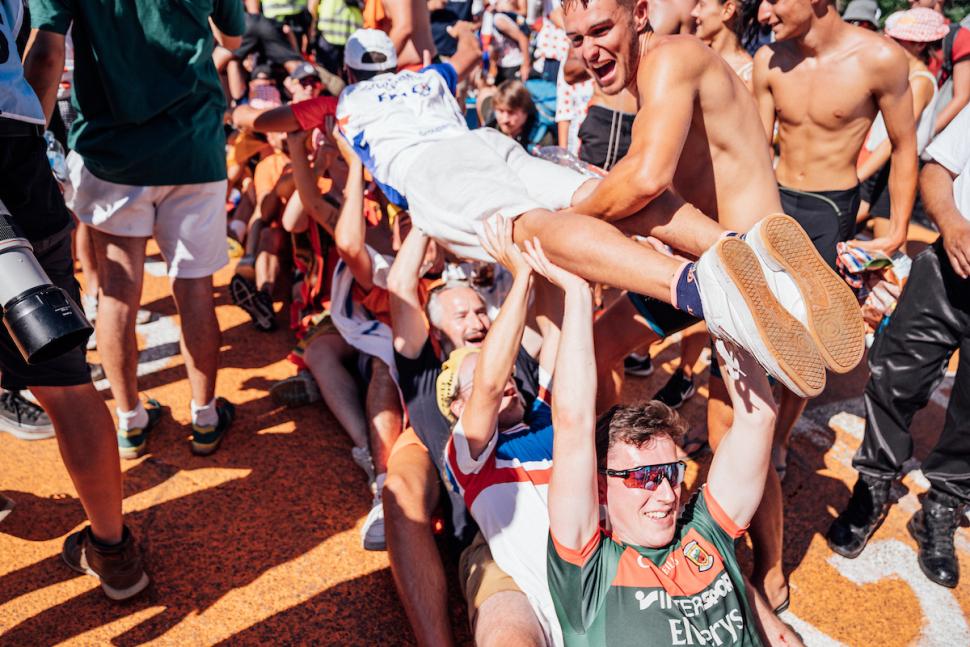
“At the end of the Trouée d’Arenberg during Paris-Roubaix, there’s a VIP area. Who collects the money from the people who paid? It’s ASO. Spectators come to watch the race to see your riders, but your riders have zero on the revenue sheet. That’s what’s not right. Hospitality areas are organised at the Tour and other major races, but it’s the organiser who takes the money, not the people who put on the show.”
So… ticketed areas, more hospitality, more VIPs, but the money going to the teams rather than the suits’ back pockets?
Pineau was joined on the podcast by legendary Groupama FDJ team boss Marc Madiot, who agreed a “better balance” was needed between stakeholders, especially financially, but disagreed ticketing roadside fans was the way to go.
“I’m in favour of free access; we’re the last major sport that’s free. It’s one of our strengths,” he said.
Speaking more generally about running a team in 2025, Madiot continued: “Apart from the emirs and state sponsors, it’s difficult to make a name for yourself in the peloton these days. The problem with cycling is that it used to be a popular sport, for workers and farmers, and it’s becoming a sport for the rich.”
As Pineau himself predicted, his idea has not been popular with fans of the sport, the thought of losing one of cycling’s greatest and most unique features, freely accessible roadside spectating, repulsive to many.
“This is against the soul of the sport. Cycling is the people’s sport. Asking tickets would be against that. You also need millions to have a WT squad nowadays, so you would have to ask huge prizes, otherwise teams would still depend 90+ % on their sponsor.”
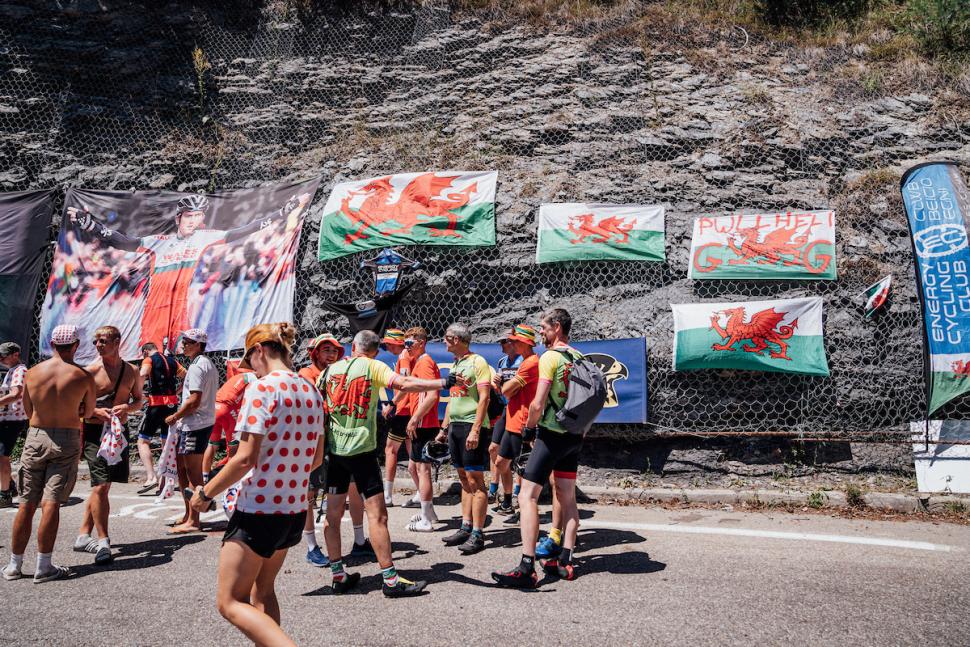
“Roads are a public good paid for by our taxes; that must remain free. To charge for spots, there are velodromes, but a Tour de France of velodromes wouldn’t interest many people.”
“Basically this will kill cycling. The key of the sport is that it’s free to watch live”
There were some willing to consider it, the much-followed Mihai Simion account on Twitter writing: “You can shoot me but I’d support this business idea IF THE MONEY WILL GO TO THE TEAMS and not to ASO. Just like in Ronde van Vlaanderen, tickets should be sold for some special places (NEVER most of the route!). I’d agree with the last 5 or 3 km of Alpe d’Huez. The current business model is broken, just see how many teams are disappearing… But of course, pro cycling should remain mostly free to spectators so I’m definitely against fully closed circuits where you can’t enter without paying, that’s for sure.”
In reply, someone else added: “It’s a good idea as it would make cycling teams more profitable as right now it’s a big marketing cost for not much direct measurable profits. But it is a slippery slope, so only big finals where crowds are too big at the moment. It would also increase safety of cycling.”
Thoughts?