
Freedom endures only if memory does.
That truth lives on every Canadian campus, in the stone towers and bronze plaques, in the November ceremonies and in the lessons that remind us of what it cost to build this country.
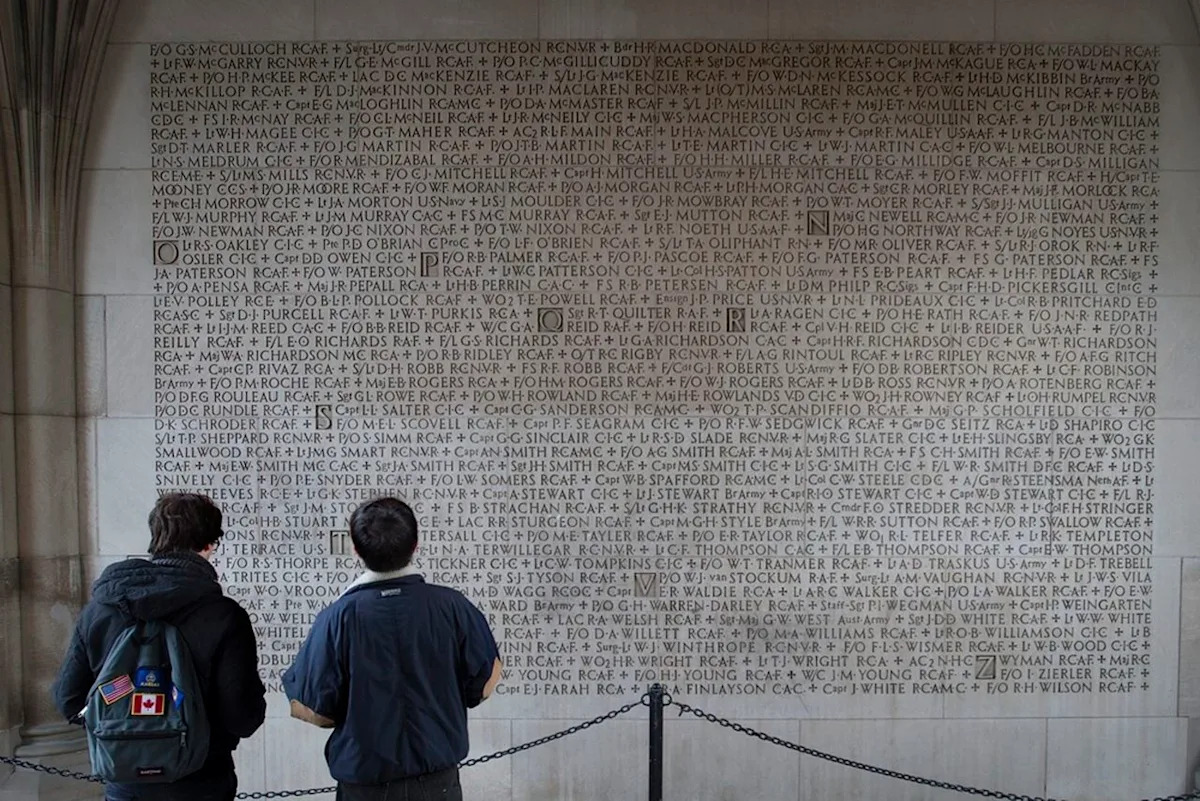
More than a century ago, countless students left their classrooms for battlefields overseas. At the University of Toronto, 628 names are engraved on Soldiers’ Tower — members of the university who died while on active service in the First World War, with 557 more remembered there from the Second World War. In Ottawa, the University of Ottawa’s Honour Roll records that more than 1,000 graduates served in the war and more than 50 never came home. Each name marks a future surrendered so that others might have one.
They believed in the promise of Canada, that a nation built on democracy and equality was worth defending. That spirit is what remembrance asks of us now.
The debt we owe is more than gratitude. It is a responsibility to protect the freedoms they secured and to understand the stories that shaped them. That duty falls, in part, to our universities. These are the places that keep Canada’s memory alive, through research, archives and the education of generations who have never known war.
Courage in service came from every corner of country
When Canada Post unveiled this year’s Remembrance Day stamp honouring Sikh soldiers who served in the First World War, it reminded us that courage in service came from every corner of this country. Those men fought under a flag that did not yet see them as equals. At the same time, women were breaking barriers of their own, nursing on the front lines, working in munitions plants, decoding messages and keeping families and farms alive. Their service bound the home front to the battlefield. Universities help ensure those chapters are not forgotten. Through teaching, historical preservation, and community partnerships, they help us see remembrance for what it truly is: a story of shared sacrifice.
That story continues on campuses from coast to coast. At Royal Roads, a military museum preserves the legacy of cadets who trained there long before it became a public institution. In Kingston, the Royal Military College Museum connects officer cadets with those who came before. Dalhousie trains physicians for the Canadian Armed Forces, while St. Francis Xavier’s Memorial Rink honours students who left the ice for the battlefield. Together, they show that remembrance lives on in campus life.
Remembrance lives on
On campuses today, veterans study beside first-year students, building new lives after service. Researchers at the Canadian Institute for Military and Veteran Health Research study trauma and recovery, while historians preserve soldiers’ letters so their voices are never lost. It is in these places, as much as in our monuments, that remembrance lives on.
There are still places in the world where freedom is fragile. Canadians continue to answer that call. The least we can do is keep faith with them by learning, preserving and teaching the truth of what those in uniform give up.
Universities founded to serve the public good
Our universities were founded to serve the public good, to remember who built the peace we live in, and to prepare the next generation to honour and protect it. When students gather at Soldiers’ Tower in Toronto or pause by a plaque on the University of Ottawa campus, they are reminded that the path to knowledge and the path to service have always crossed.
The next chapter of remembrance belongs to today’s students. Their challenge is to defend freedom not only on battlefields but in classrooms, communities and conversations. To stand up for democracy and one another. To live with the same sense of purpose as those who came before.
This Remembrance Day, let us do more than remember. Let us care for the memorials on our campuses, support the veterans who study there, and strengthen the research that helps them heal.
We can never repay the debt owed to those who fell. But by keeping their memory alive in our institutions, in our classrooms and in our hearts, we can honour it.
Freedom endures only if memory does.
Lest we forget.
-Gabriel Miller is president and CEO of Universities Canada
RECOMMENDED VIDEO