
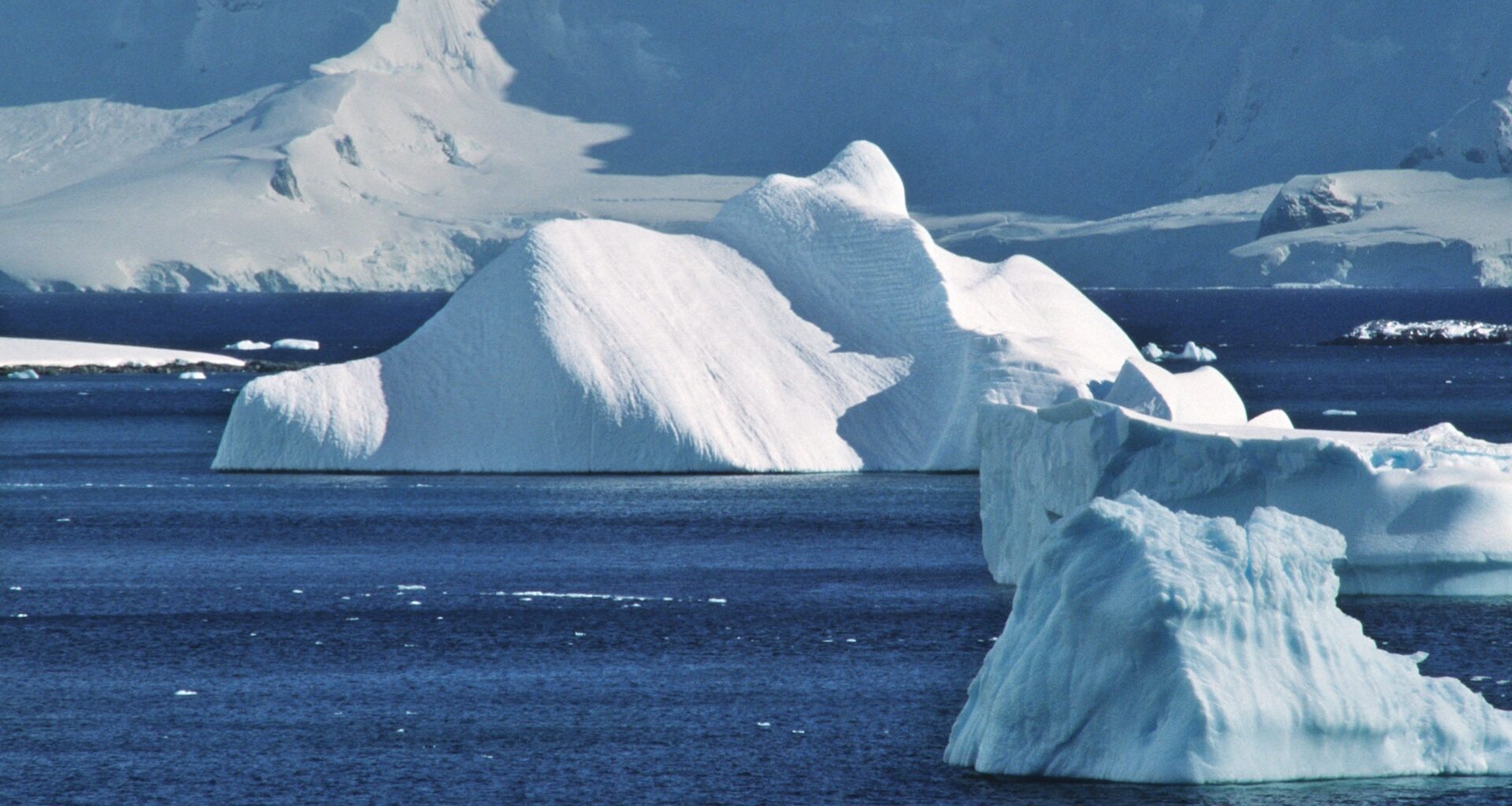
A glacier in Antarctica about the size of Philadelphia lost half of its entire mass in just two months, according to a shocking new study.
What’s happening?
The alarming discovery of the Hektoria Glacier’s stunning retreat happened accidentally, according to CNN. Researchers from the University of Colorado Boulder had been in the process of monitoring the area’s fast ice for a different study.
Fast ice — also known as landfast ice — essentially acts as a stationary belt around the Antarctic coastline, serving as an important habitat for wildlife and a reservoir for marine nutrients.
Naomi Ochwat, a co-author of the study published this month in the journal Nature Geoscience, told CNN she’d noticed the Hektoria Glacier, situated on the continent’s peninsula, had lost a shocking amount of ice. “I realized that, OK, something special is going on here,” she said.
Ochwat’s observation prompted the team to investigate further. They figured out that the rapid retreat was due to the glacier sitting on an ice plain. As it thins, icebergs break off and float out to sea, a phenomenon known as calving.
The rate of Hektoria Glacier’s decline — called “astonishing” and “crazy” by co-author Ted Scambos — is the fastest known in modern history.

Mitsubishi Electric’s efficient heating and cooling HVAC solutions can help you stay comfortable no matter the weather or region. You can even regulate temperatures in each room with individually controlled all-electric heat pump systems.
With an energy-efficient, all-climate system from Mitsubishi, you can reduce the amount of energy needed to heat and cool your home, receive up to $2,000 in tax credits, and get peace of mind knowing you’re choosing rigorously tested, high-quality products.
Why is the study concerning?
Iceberg calving is a natural process, but human activity appears to be speeding things up. Warming seas, driven by the heat-trapping pollution resulting from burning dirty fossil fuels, are most keenly felt in the polar ice caps.
The Arctic is warming about four times faster than the rest of the planet, while Antarctica’s temperatures are rising twice as quickly. The West Antarctic ice sheet is particularly vulnerable.
As global temperatures rise, the loss of sea ice accelerates sea level rise as well, putting millions at risk. Islands are already vanishing, and fresh drinking water supplies are under threat. If all glaciers and ice sheets melt, then sea levels could rise an utterly catastrophic 195 feet, according to the National Aeronautics and Space Administration.
What’s being done about Antarctica’s declining ice sheets?
This new study calls for further research into the ice plains across the continent. There’s a great deal that scientists simply don’t yet understand about Antarctica, but there’s also a clear need to raise public awareness and encourage meaningful action, such as individual-level and mass-scale transitions to renewable energy sources.
The researchers’ findings have been questioned by some scholars, but there’s no argument that the developments are deeply troubling.
Anna Hogg, a professor of Earth observation at the University of Leeds, told the BBC, “While we disagree about the process driving this change at Hektoria, we are in absolute agreement that the changes in the polar regions are scarily rapid, quicker than we expected even a decade ago.”
Join our free newsletter for good news and useful tips, and don’t miss this cool list of easy ways to help yourself while helping the planet.
