

Toronto Mayor Olivia Chow addressed the Ford government’s plans to make evictions easier for landlords ahead of a meeting of city council.
Toronto City Council has voted to back Mayor Olivia Chow’s motion opposing a provincial bill that she says would make it easier for landlords to evict tenants and “cut renters’ rights.”
Councillors voted 23 to one, with two abstentions, on Wednesday to formally inform the Ford government that Toronto opposes the proposed Fighting Delays, Building Faster Act, also known as Bill 60. Chow warned the legislation would weaken key rental protections and undermine the city’s housing stability.
“About half of Toronto’s residents rent their homes,” Chow told reporters ahead of the vote. “They deserve stability, fairness and peace of mind that comes from knowing they will not face unfair evictions or sky-high rent increases.”
‘I was shocked,’ Chow says
In a statement included in the council agenda, Chow said she was “shocked” to learn the province had been considering changes to Ontario’s long-standing security of tenure protections, which guarantee tenants the right to remain in their homes as long as they follow their lease and the Residential Tenancies Act (RTA).
“Sadly, our progress to empower and protect renters is at risk due to the Province of Ontario’s new legislation,” she wrote.
It should be noted that while the Ford government originally included a provision in the bill to hold consultations on changing security of tenure, it has since backtracked on that part of the bill, though other proposed changes around evictions and landlord-tenant disputes remain.
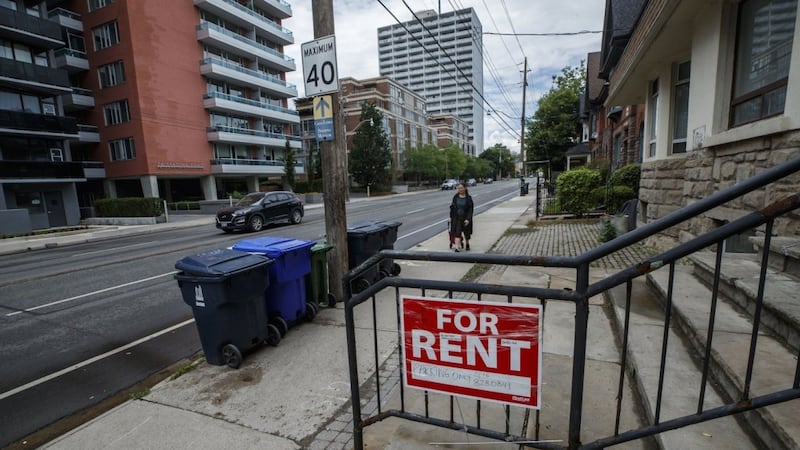 Rental inflation A for rent sign outside a home in Toronto on Tuesday July 12, 2022. THE CANADIAN PRESS/Cole Burston
Cole Burston
Chow said the proposed changes would reduce tenant compensation, shorten appeal periods, and expand landlords’ powers to evict tenants. Among other things, she says the bill would:
Block renters from introducing new evidence during Landlord and Tenant Board (LTB) hearingsDeny renters the ability to challenge “voluntary evictions” if pressured to sign forms ending their leaseCut appeal timelines from 30 days to 15Eliminate the requirement for landlords to provide one month’s rent as compensation for personal-use evictions if they give sufficient notice Shorten notice periods and speed up enforcement
“These proposed changes will make hardworking families less able to defend themselves against large real estate investors,” Chow wrote. “Tenant rights must be protected.”
Council votes to oppose Bill 60
Chow’s motion passed easily, with only Coun. Stephen Holyday (Etobicoke Centre) voting against it.
Council also requested that the Association of Municipalities of Ontario (AMO) convene a “province-wide research collaborative” to prepare forecasts, models, and estimates on how Bill 60 could reduce housing stability and increase the demand for municipal shelter and housing services.
Province says bill ‘restores balance and rebuilds confidence’
On the flip side the Ford government says the bill is meant to attract more landlords into the market by making rental rules more flexible.
Last month, Attorney General Doug Downey said the government has heard “for years” that some landlords are not entering the market because they don’t have confidence in it.
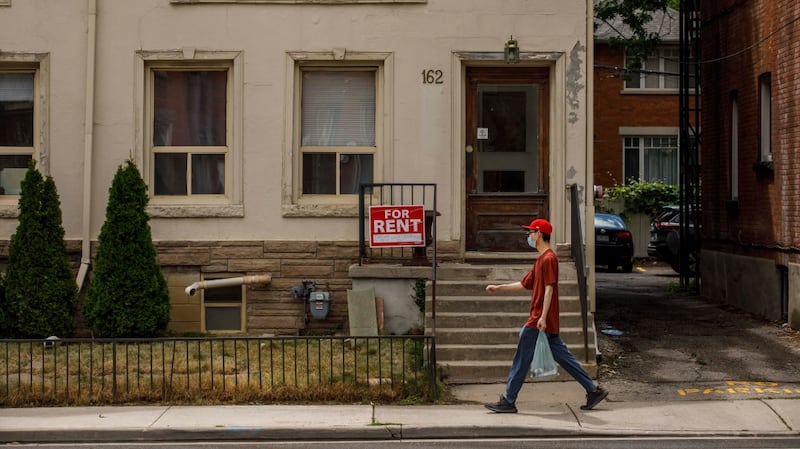 For rent sign FILE – According to new data, Ontario’s rental market watchdog doesn’t often fine landlords for evicting tenants illegally — and when it does, most fines are under $2000. A for rent sign outside a home in Toronto on Tuesday July 12, 2022. THE CANADIAN PRESS/Cole Burston
In an email to CTV News Toronto, a spokesperson for the Minister of Municipal Affairs and Housing said the bill “restores balance and rebuilds confidence in Ontario’s rental housing market by protecting responsible tenants,” adding that those who repeatedly abuse the system will be held accountable.
“It also ensures families who depend on rental income are able to pay their mortgages, property taxes, and utility bills that keeps more rental homes available – protecting the long-term stability of Ontario’s rental housing supply,” the spokesperson added.
Meanwhile, Chow countered that loosening eviction rules does nothing to build housing and urged the province to work with cities instead to make development more affordable.
“This is not how we build housing, and it is not how we build a caring city,” she told reporters.
She pointed to the city’s Rental Housing Supply Program as an example of a more effective approach, noting that Toronto is waiving development charges for new rental projects that include affordable units. That program alone, she said, is supporting more than 8,000 homes in 15 developments — part of a broader goal to build 25,000 homes this year and next.
“If the province wants to build more rental housing,” Chow said, “they should join us and make it more affordable to build homes — not easier to evict.”
With files from CP24’s Joshua Freeman