
Quick Read
A nationwide power outage struck the Dominican Republic on November 12, 2025.Millions were left without electricity, affecting hospitals, schools, and businesses.Government teams began restoring power within hours, but rural areas faced delays.The crisis highlighted vulnerabilities in the country’s aging energy infrastructure.Nationwide Outage Paralyzes the Dominican Republic
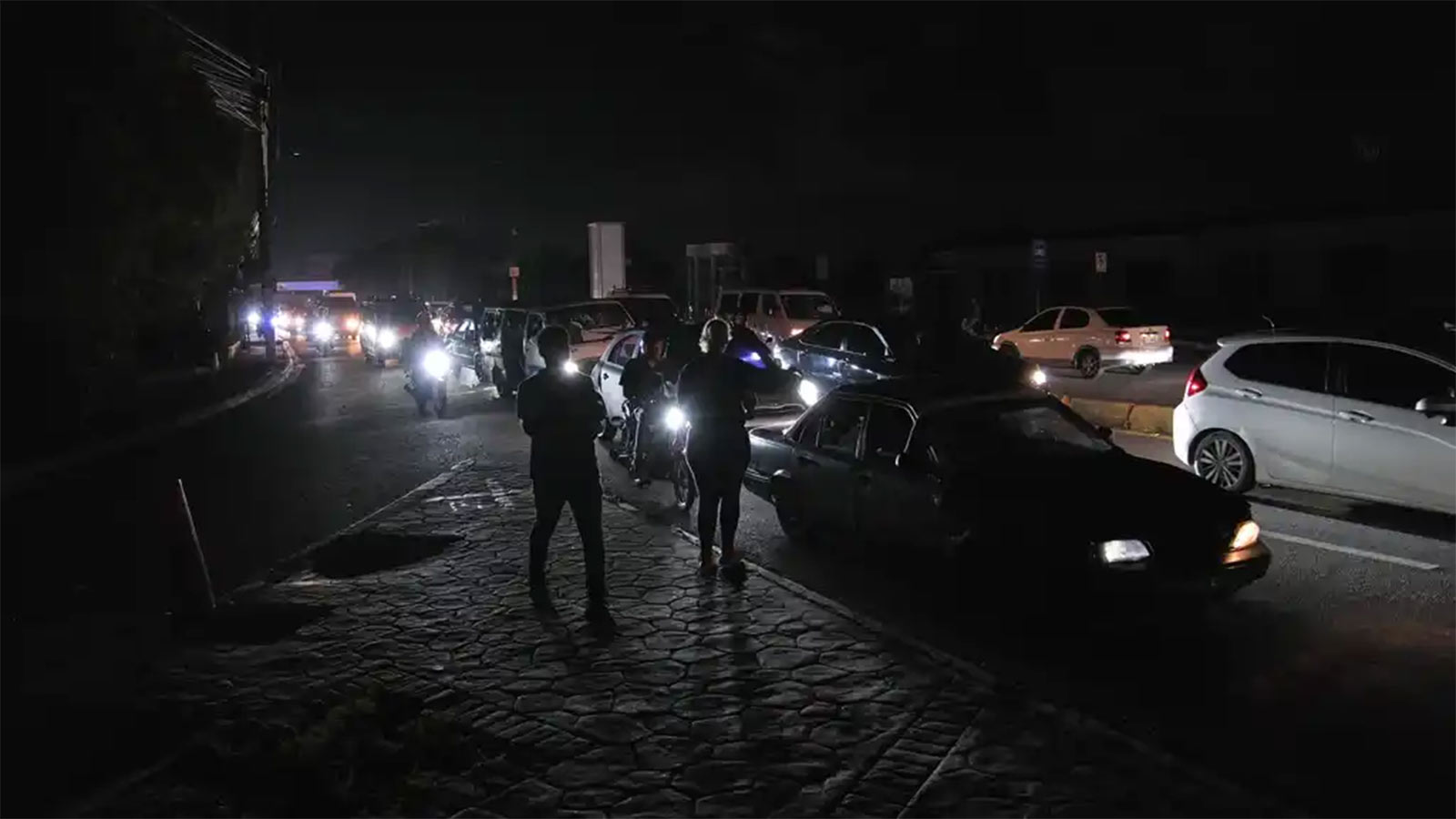
On November 12, 2025, the Dominican Republic experienced a sudden and sweeping power grid collapse that left much of the country in complete darkness. From bustling city centers to remote villages, homes, businesses, and public services were abruptly cut off from electricity, triggering confusion and concern among millions of residents. The outage, reported by Dallas Express and corroborated by local media, is believed to be one of the most severe in the nation’s recent history.
What Sparked the Crisis?
Preliminary investigations by the Dominican government point to a critical failure in the national grid infrastructure. According to officials from the Empresa de Transmisión Eléctrica Dominicana (ETED), the incident began with a series of cascading faults across major transmission lines. These faults, likely triggered by a combination of technical malfunctions and aging equipment, quickly overwhelmed the system’s safeguards, resulting in a total grid collapse.
While the exact technical cause remains under scrutiny, energy experts in Santo Domingo suggest that vulnerabilities in grid management and insufficient maintenance may have played a significant role. As one energy analyst told local press: “This was a perfect storm—years of underinvestment converged with a single, critical fault.”
Impact on Daily Life and Essential Services
The blackout’s effects rippled through every aspect of Dominican life. Hospitals switched to emergency generators, but not all facilities were equipped for prolonged outages. Schools suspended classes, with parents and teachers scrambling to ensure student safety. Businesses, especially those reliant on refrigeration or digital infrastructure, faced immediate losses.
Traffic in Santo Domingo and other major cities ground to a halt as streetlights failed and electronic payment systems went offline. Residents queued for fuel and bottled water, fearing longer-term disruptions. Social media was awash with images of candlelit gatherings and messages seeking updates on restoration efforts.
Government Response and Recovery Efforts
President Luis Abinader convened an emergency cabinet meeting on the evening of the outage, pledging swift action to restore electricity and address the crisis’s root causes. Within hours, teams from ETED and the Comisión Nacional de Energía (CNE) began coordinated repairs. By the following morning, partial restoration had reached key urban centers, but rural areas remained affected for several days.
In a televised address, the president reassured citizens: “We are working tirelessly to bring power back to every household and to ensure this never happens again.” He announced a comprehensive review of grid security and promised investment in modernizing transmission infrastructure. The government also set up hotlines for emergency assistance and deployed additional police units to safeguard public order.
Lessons Learned and the Road Ahead
The outage has reignited national debate about energy policy in the Dominican Republic. For years, experts have warned that the country’s reliance on aging infrastructure and its vulnerability to extreme weather events put its grid at risk. The blackout served as a stark reminder that systemic change is urgently needed.
Calls for reform are growing louder. Environmental groups advocate for more resilient, decentralized energy sources, including solar and wind. Business leaders are urging the government to accelerate investments in grid modernization and maintenance. Meanwhile, everyday Dominicans are demanding transparency and accountability, wary of recurring disruptions.
International observers, including representatives from the Inter-American Development Bank, have offered technical assistance. The incident has also prompted neighboring countries to review their own grid security protocols, mindful of the ripple effects that such events can have across the region.
Resilience and Community Response
Amid adversity, stories of solidarity have emerged. Neighbors shared resources, volunteers organized food and water distribution, and local radio stations broadcast updates using battery-powered equipment. For many, the blackout was a test of patience and community spirit—a reminder that resilience often comes from the ground up.
As the Dominican Republic moves toward recovery, questions remain about the future of its power sector. Will this crisis be the catalyst for lasting change, or will old patterns persist? The answer may depend not only on government action but on the sustained engagement of citizens and stakeholders across society.
The November 2025 blackout exposed deep vulnerabilities in the Dominican Republic’s energy infrastructure but also sparked a nationwide conversation about resilience, accountability, and the urgent need for reform. As the country rebuilds, the legacy of this crisis will shape its approach to energy security for years to come.