

Listen to this article
Estimated 4 minutes
The audio version of this article is generated by text-to-speech, a technology based on artificial intelligence.
More than a thousand hospital beds are being promised to Alberta’s two largest cities as part of a newly unveiled provincial plan, but some critics want more information about how this will be accomplished.
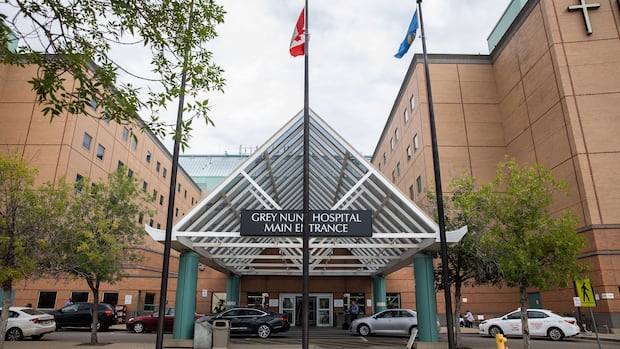
The province unveiled an action plan on Friday that promises to add acute care beds in Edmonton and Calgary, including new bed towers at the South Health Campus in Calgary, and the Grey Nuns and Misericordia hospitals in Edmonton.
A timeline for when the new towers would be built and when the beds would be added was not included in Friday’s plan.
The province also presented plans to offer 50,000 more surgeries in the next three years by using chartered surgical facilities to expand operating room capacity and cut down wait times.
 The Misericordia Community Hospital in Edmonton could receive more acute care beds as part of Alberta’s new acute care action plan. (Codie McLachlan/CBC)
The plan also intends to improve triage and patient flow in Edmonton’s Royal Alexandra Hospital; increasing continuing care spaces overall to free up more hospital beds; a new strategy around provincial neonatal intensive care units; and 12 new psychiatric beds, and 30 temporary beds becoming permanent, in community care spaces.
“Along with shorter waits, less crowding and faster care, it means growing the health-care system so it can cope with a larger and older population,” said Alberta Premier Danielle Smith.
The province’s plan also includes a series of long-term goals, such as expanding ambulance fleets; improving coverage in rural and remote areas; a triage portal to guide patients to the appropriate care they need; incentives to train and retain staff; and a 50-year capital strategy.
The province said more than 318,000 surgeries were completed in Alberta in 2024-25, higher than its original target of 310,000.
New plan leaves some wanting
Dr. Braden Manns, the senior associate dean of health research at the University of Calgary’s Cumming School of Medicine, said declining hospital bed capacity in Alberta is backing up emergency rooms and leading to cancelled surgeries.
While more physical spaces are needed, Manns also wants to see more from the province about how much staff will be hired to account for the additional beds.
“One of the challenges when this acute care plan was first discussed a couple of years ago … was you can add some beds, but we didn’t have the staff to put into them,” said Manns.
Looking at this newly released plan, Manns said, “I’m not sure we’ve quite got the remedy.”
 Dr. Braden Manns said the province has shown it understands the challenges Alberta’s health sector is facing, but criticized the lack of detail in its new action plan. (Brian Goldman/CBC)
Manns said while more surgery capacity is welcome, there are empty operating rooms in the public system that could be better utilized without needing to rely as much on private facilities that cost people more.
He added that he’d like to see the province invest more in other aspects of health care, like physiotherapy that can strengthen people’s legs, hips or backs before they would even need surgery, as another way to reduce the strain on the health system.
Sarah Hoffman, the Alberta NDP’s shadow minister of hospital and surgical health facilities, said she was also disappointed the province’s plan didn’t include more details about a timeline for the changes it proposes.
Hoffman said while new bed towers could be good for hospitals in both cities, Edmonton could use another community hospital to support its population, and more attention should be paid to retaining medical staff in Alberta.
“The government hasn’t shown any urgency,” said Hoffman.
“Alberta was calling and a lot of people moved here … and we need to make sure that we’re building new hospitals, that we’re building new capacity for everyone and hiring more health-care workers so that they’re not left waiting.”