
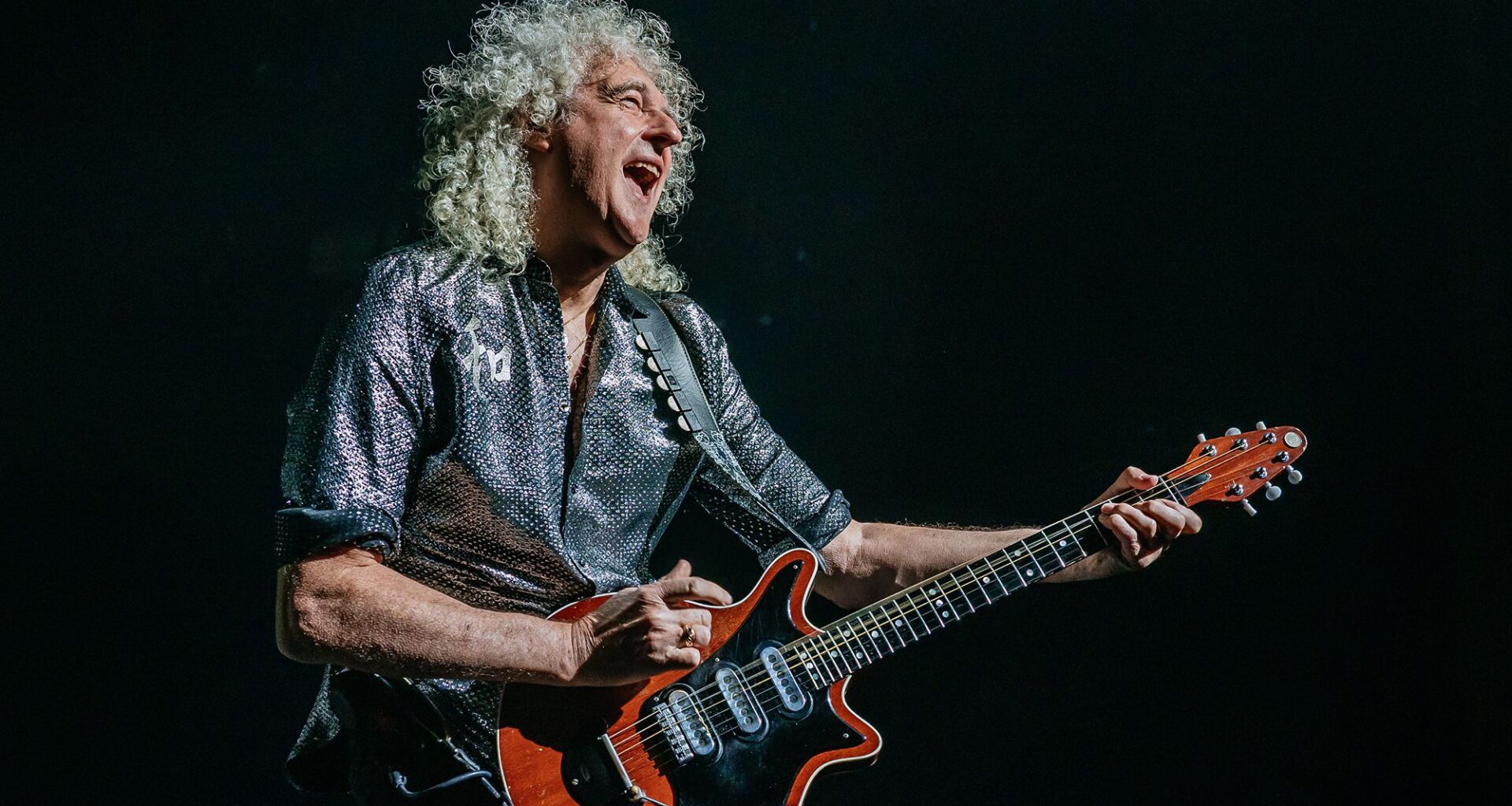
There’s no denying Jimi Hendrix changed the electric guitar game. But long before he ventured from New York City to London — where he sent shockwaves through the blues scene and nearly ended Jeff Beck’s career — another player sparked a revolution in the mind of future Queen guitarist Brian May.
May was in his early 20s by the end of the 1960s. Although Rory Gallagher would have the greatest influence on his guitar tone — inspiring him to adopt two hugely important pieces of gear into his rig — it was another British blues rock great who showed him what was possible with his instrument.
“He was incredible, nobody could play like that in those days,” May says of Deep Purple linchpin Ritchie Blackmore.
You may like
For May — who made his comments in the 2015 documentary The Ritchie Blackmore Story — it was the “wild and untamed” way Blackmore played that affected him most.
“It’s hard to imagine,” he says. “It’s like going back to the time before there were wheels. People did not play like that in those days; you were looking at people who played jazz and were very safe and rather mellow.”
Blackmore’s weapon of choice throughout the ’60s was a 1961 Gibson ES-335, a guitar thrust upon him by future amp maker Jim Marshall,. That was the instrument with which he launched Deep Purple, and May was there right at the start of the journey, falling in love with their 1968 debut album, Shades of Deep Purple, while attending college.
Even then, Blackmore’s reputation preceded him.
Brian May discussing his earliest memories of Ritchie Blackmore – YouTube
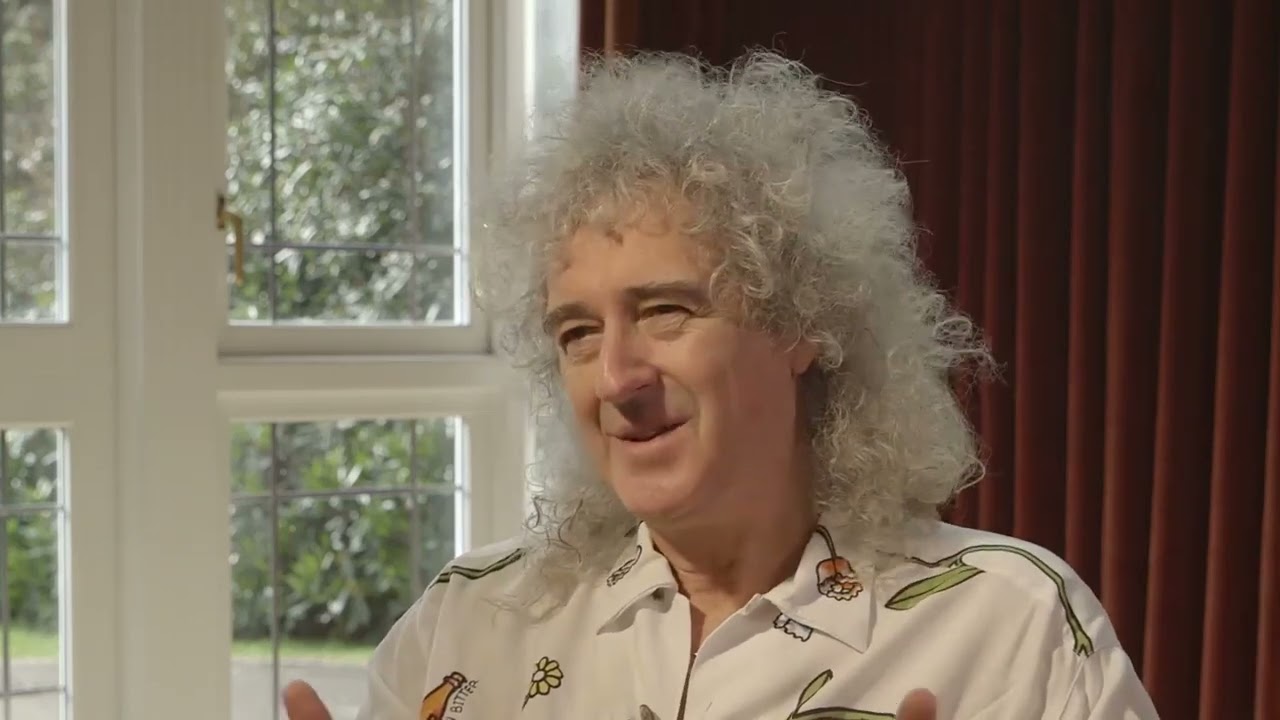
“Ritchie Blackmore already was a legend,” May explains. “I was together with [future Queen drummer] Roger [Taylor] at that point, and Roger had worked alongside Ritchie in his previous groups down in Cornwall.
“And Ritchie was a figure of mystery and wonder. He was able to play very fast, very accurately, and very passionately. He’s wanging the guitar all over the place, he’s using the tremolo bar, and making the whole thing into a completely different instrument.
“Ritchie came along and he’s a fireball,” May continues. “He was beyond belief. His technique was incredible. Where that came from, I have no idea. And this was before Hendrix. Ritchie is a great creator and originator of the wild electric guitar.”
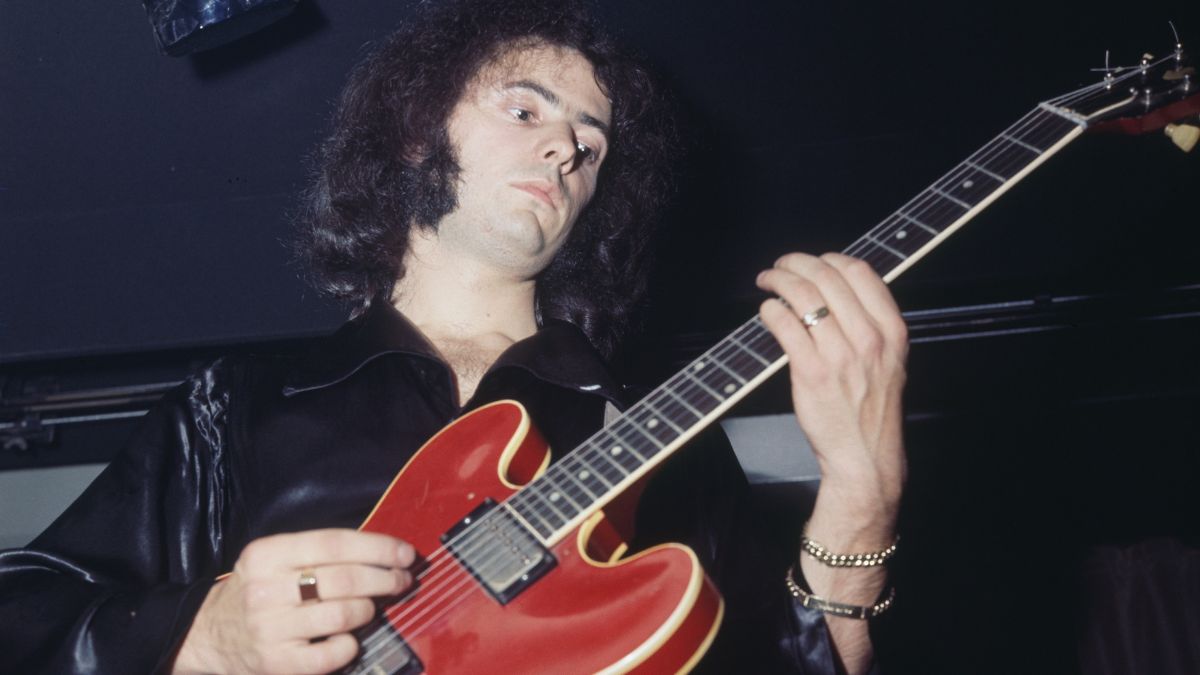
(Image credit: Getty Images)
And yet, even with Blackmore’s sizable reputation, Deep Purple’s first few records had only middling success. It was only with the second line-up and the 1970 album In Rock that their fortunes began to turn. Coincidentally, it was the first record on which Blackmore played a Fender Strat, having made the switch after striking a deal with Eric Clapton’s roadie for one of Slowhand’s unused models.
The Mark II line-up came to a head with Blackmore as egos clashed. Although Blackmore had stuck around for a few more albums, he’d join forces with Ronnie James Dio in Rainbow before deciding life in the band wasn’t what he’d expected.
Blackmore is now back out on the road after a series of health scares cast doubt on his future earlier this year. His rock days may be long behind him, but the impact he’s had on the guitar world is still being felt.