
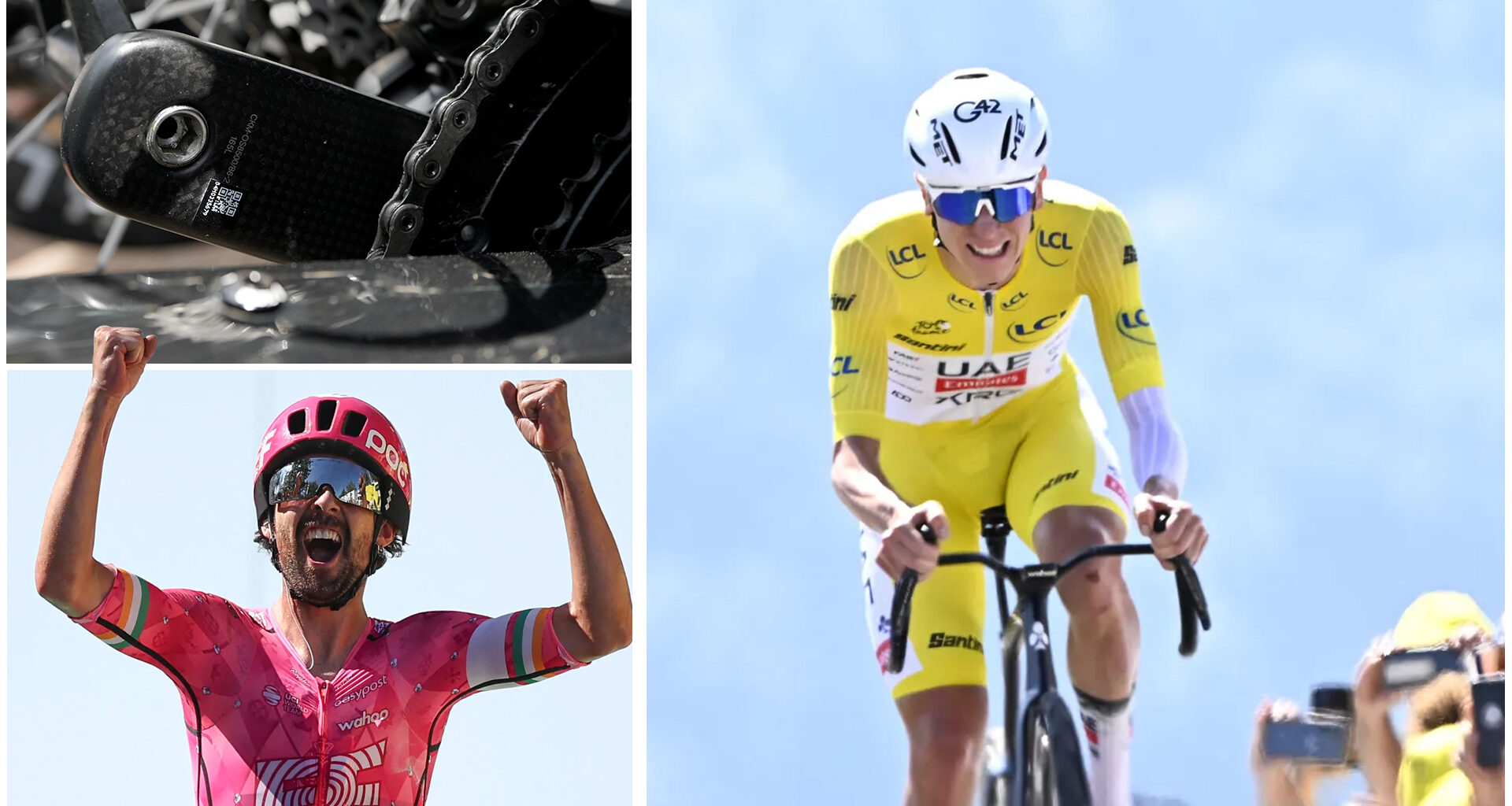
Despite Tadej Pogačar‘s dominance, several exciting technological highlights emerged from the 2025 Tour de France. The chief theme was aerodynamics, but gram counting also appeared to be a priority among teams, both of which were explored throughout the three-week race, particularly in the mountains and the second time trial. While some of the modifications were innovative, none of them were entirely new, as many of these hacks have been implemented in the local time trial and hill climb scene for years already.
This comes as no surprise, given the spotlight placed on functional aerodynamics and how teams can best utilise equipment and bike position to go faster with less effort – after all, the man leading the charge and changing the mindset among riders and teams is a British aerodynamics engineer and former racing cyclist, Dan Bigham. The Red Bull-Bora-hansgrohe Head of Engineering has got riders and other teams to actively think of the rider and equipment as one system rather than two separate entities – and is perhaps the catalyst behind the aero revolution we saw at this year’s race.
You may like
Rise of the do-it-all aero bike
Image 1 of 3
 Jonas Vingegaard’s new Cervelo S5 boasts an improved aerodynamic and lightweight design, coupled with a SRAM Red AXS 1x setup(Image credit: Andy Carr)
 Ben O’Connor had two Giant Propel Advanced SL bikes to choose from: a team-issue option with mauve livery or a blacked-out version, stripped down to save weight(Image credit: Future)
 The same went for Tadej Pogačar. He had two versions (three versions if we include his stage 21 yellow bike) of Colnago Y1Rs at his disposal(Image credit: Andy Carr)
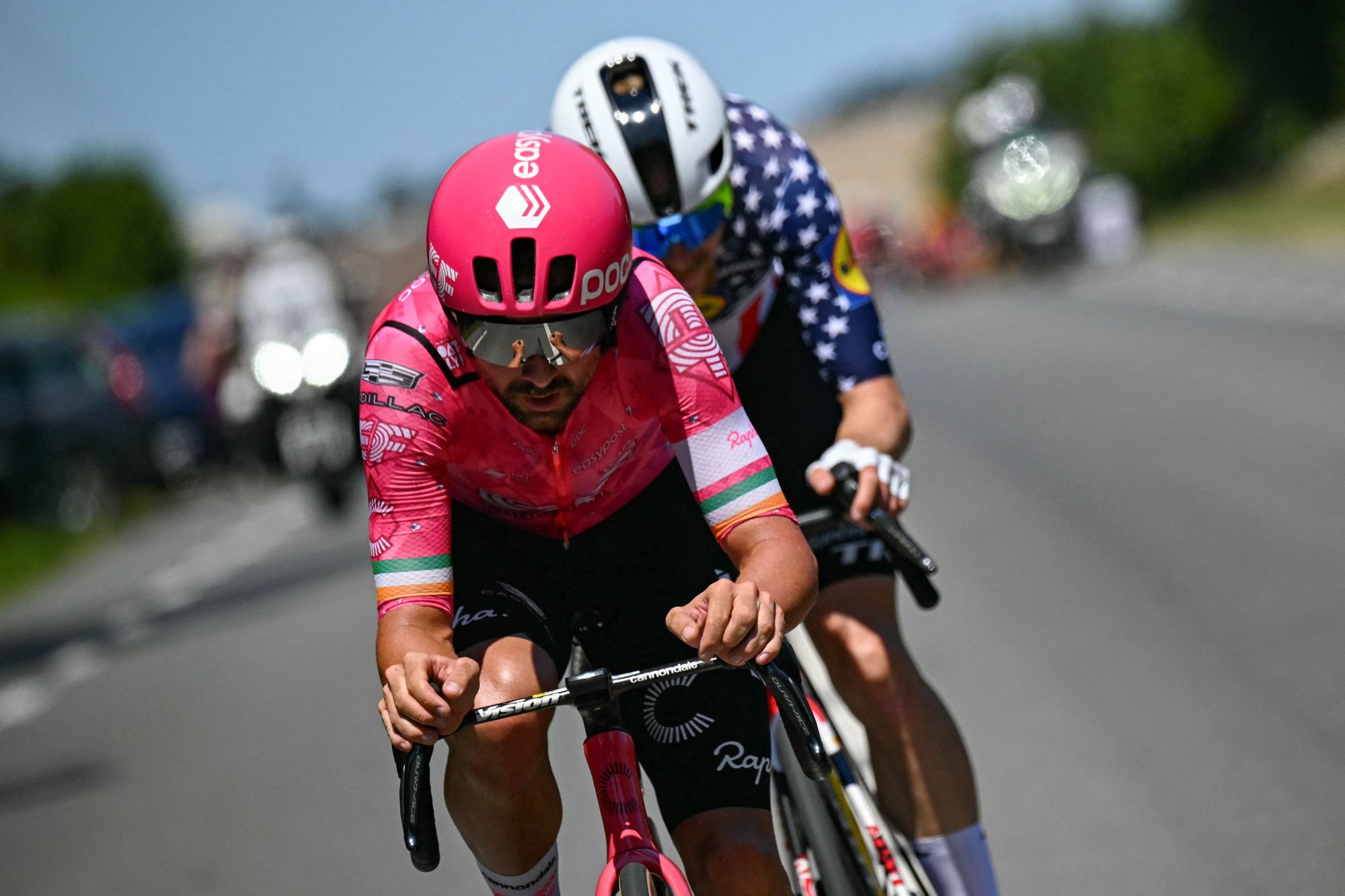
EF Education-EasyPost’s Ben Healy went all in on stage 6, utilising a POC Procen Air road lid, a Rapha Pro Team TT Aero skinsuit with cut sleeves and aero socks to secure stage honours
(Image credit: Getty Images)
Aero road helmets
Go-faster kit hacks
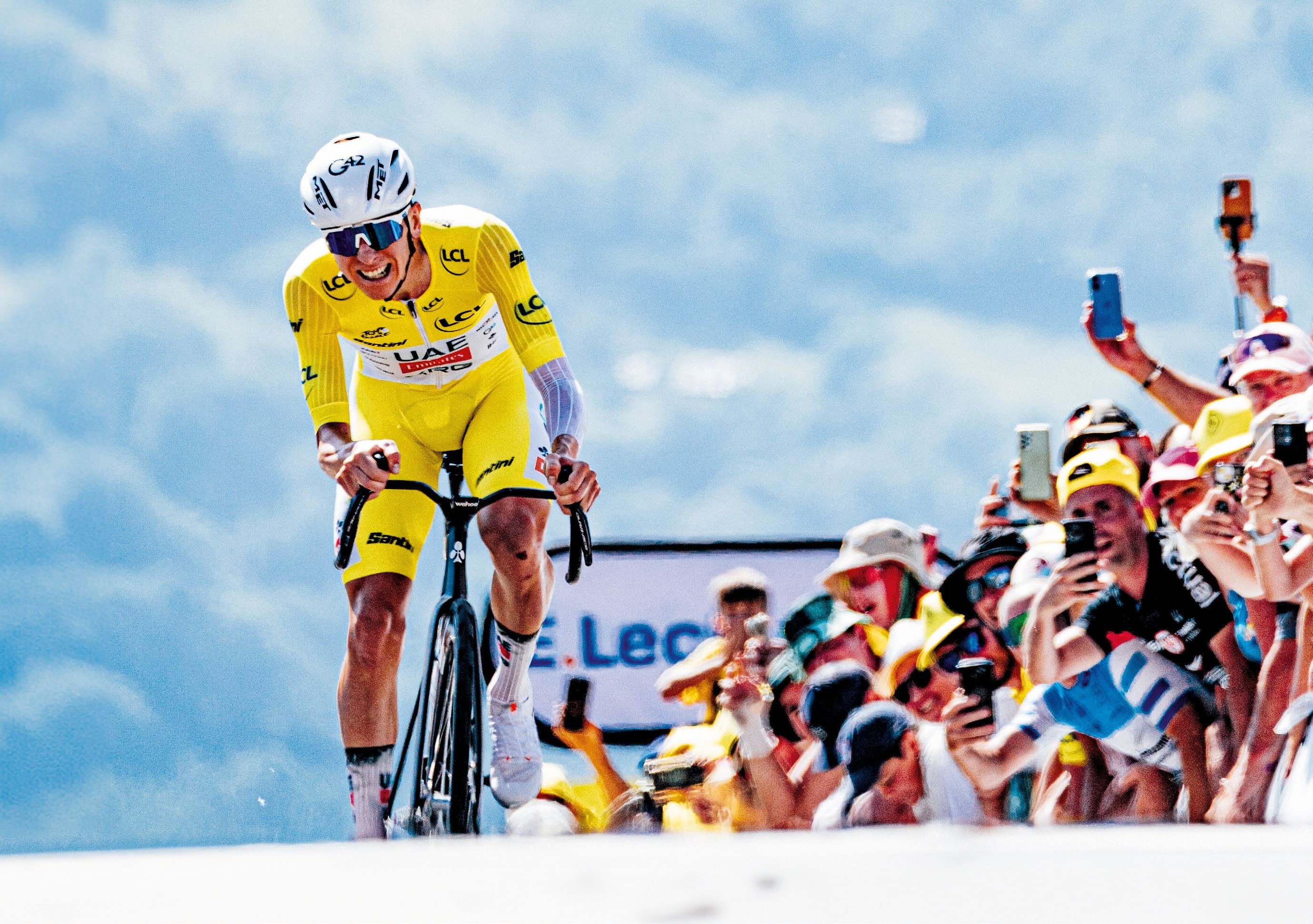
Tadej Pogačar used a baselayer arm sleeve to cover his bandage and perhaps give him a slight aero boost in the process
(Image credit: Words: Adam Becket)
Time trial experimentation
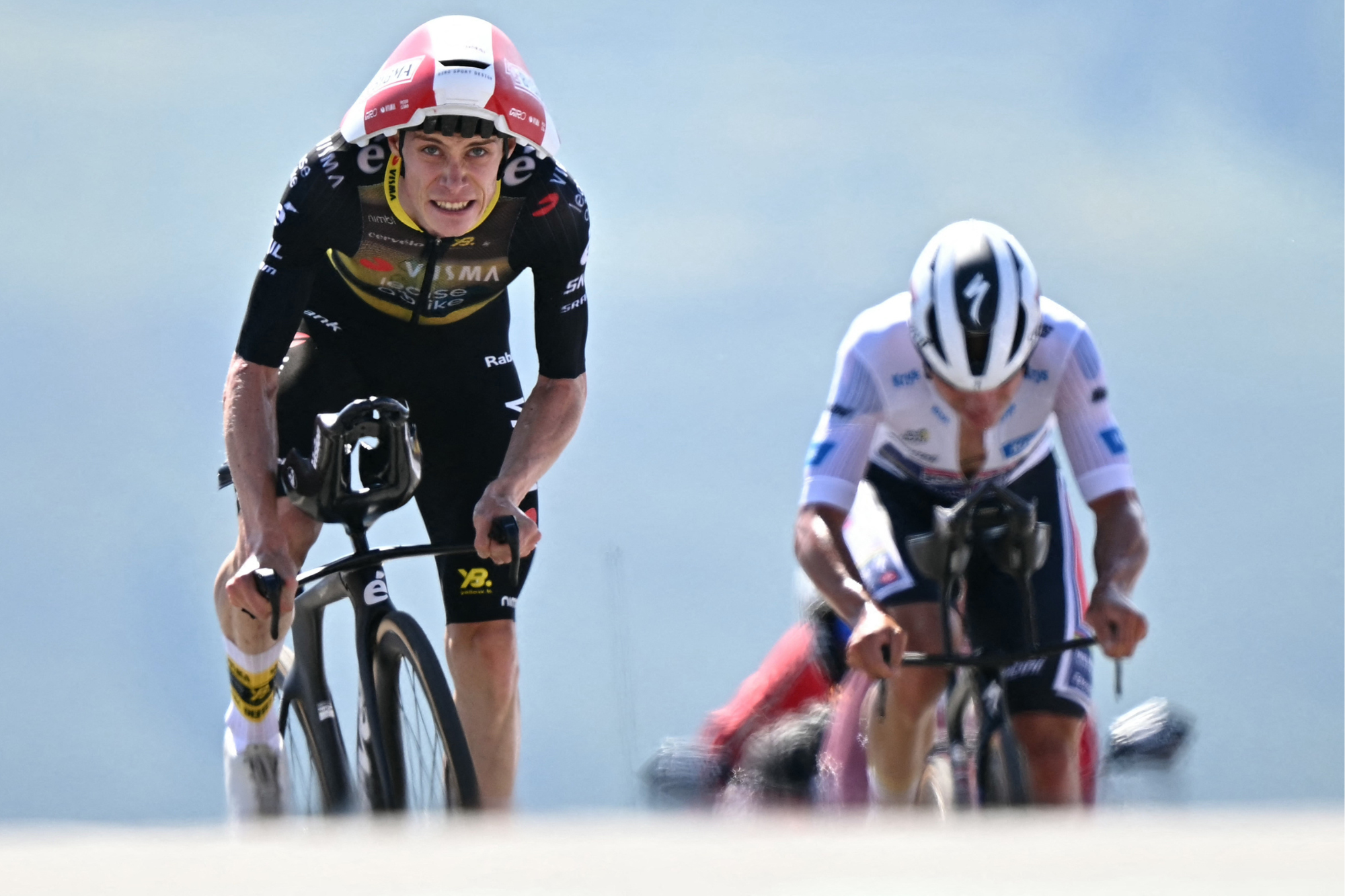
Vingegaard and Evenepoel used traditional time trial bikes but put them on a diet, in this instance, shallower wheels to save weight
(Image credit: Getty Images)
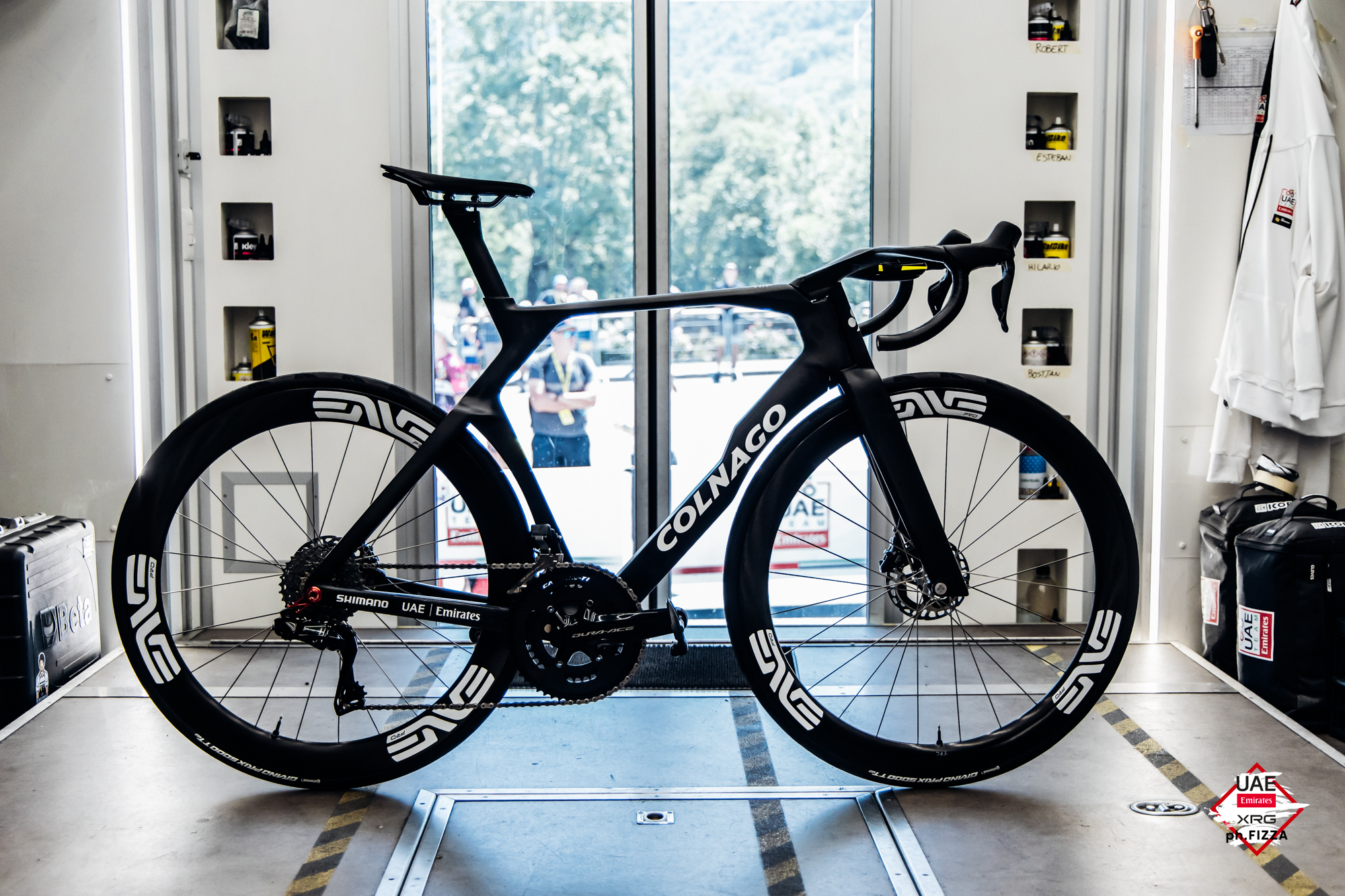
By removing the paint, bar tape, bottle cages and using a lighter saddle and smaller 140mm rotors, Team UAE Emirates-XRG were able to drop the weight of the Colnago Y1Rs to 6.89kg
(Image credit: UAE Team Emirates XRG – Colnago)

Despite the rage among the pro peloton for shorter cranks, there is still a significant group of riders who are opting for lengths ranging from 170- to 172.5mm
(Image credit: Andy Carr)
The curious case of differing crankarm lengths