
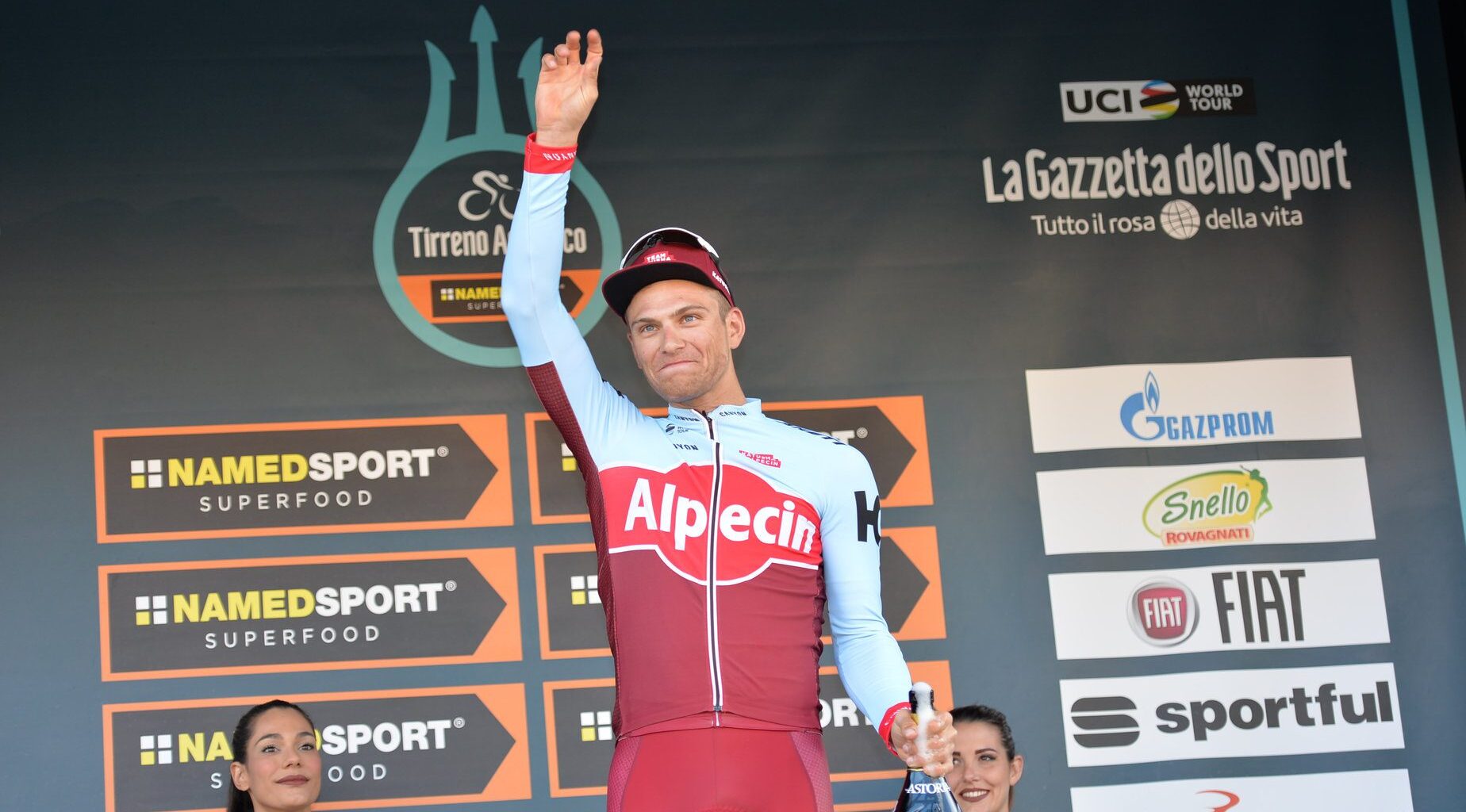
Former fastman Marcel Kittel hasn’t raced in the pro peloton in six years but recently made some bold claims speaking with Domestique.
“Back when I turned pro, all those revelations about doping had already been made and everyone knew about widespread systematic doping in teams. Especially in the 1990s and 2000s,” he said.
Lance Armstrong on Pogačar: ‘I would advise him to keep a low profile’
The past vs. the present
It is now known that doping in the Lance Armstrong-era was more or less ubiquitous, with virtually every top rider using blood boosters — whether it was EPO, transfusions or CERA. More testing and biological passports were meant to reduce the widespread cheating, but Kittel doesn’t think it’s gone. Far from it.
Jonas Vingegaard claps back about doping after incredible climbing speeds
“I don’t think cycling is clean now. Absolutely not. There will always be people who will try to cheat the system,” he said. Kittel, who won 14 stages of the Tour de France in his 13-year career, does clarify that if doping does exist, it is not systemic as in the past.
“We have to make sure we protect what we have and the progress we’ve made, and make sure these are isolated cases and not a widespread doping system.”
Ineos – Grenadiers issues brief response amid doping links to staff member
Kittel went on to argue that the rapid growth in team budgets and the rising pay on offer have created new motivations in the sport. He suggested that some riders view the situation not as a chance to deceive anyone, but as a way to improve their own quality of life. In his view, that reaction is understandable — a fundamentally human impulse.
Kittel added that the media and followers of the sport are “absolutely entitled to say if they feel they are not sure they can trust it.”
‘Suspicious’ rides but no evidence
Although doping positives do pop up here and there in pro cycling, it is usually isolated cases on smaller teams with lesser-known riders. Although the best ones — Tadej Pogačar and Jonas Vingegaard notably, given their dominance — constantly face suspicion from journalists and analysts, there has not been a recent doping case with any of the big names in the sport.
Kittel last raced for Katusha–Alpecin, which had its fair share of controversy. Several riders on the team, during its tenure, tested positive — Christian Pfannberger, Antonio Colom and Denis Galimzyanov for EPO, for example. Denis Menchov was banned from racing following adverse biological passport findings. The team was also subject to multiple police searches with an investigation that stated the squad may be linked to infamous dope doctor Michele Ferrari. Filippo Pozzato even said he had worked with him. Kittel, it should be noted, was never formally linked to any doping cases or investigations.
Israel Cycling Academy — which eventually became Israel – Premier Tech (now NSN Cycling Team) — would take over the Katusha–Alpecin team in 2019.