

Listen to this article
Estimated 5 minutes
The audio version of this article is generated by text-to-speech, a technology based on artificial intelligence.
A lawmaker with Mexico’s governing political party says local reporting around a tweaked Canadian travel advisory on Mexico was used to attack Mexican President Claudia Sheinbaum.
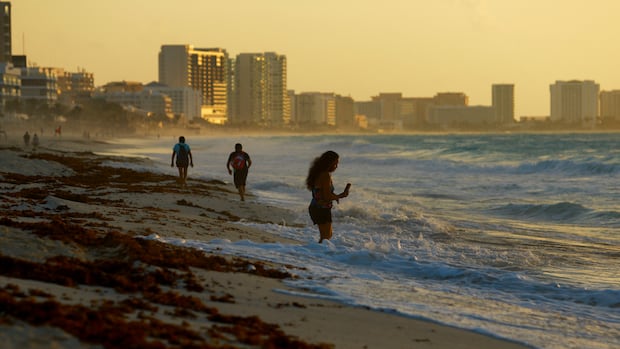
Global Affairs Canada updated its travel advisory to Mexico on Nov. 13 by reducing the threat level around specific zones of the Pacific Coast city of Mazatlán, in the state of Sinaloa. The rest of the long-standing portions of the advisory remained unchanged.
However, local media wrongly reported that Canada had issued a brand new Mexican travel warning about 13 of the country’s 31 states. The wave of reporting started on Monday evening and continued throughout the week.
Updates to Canadian travel advisories often trigger local news stories in target countries. Many times the stories run before seeking clarity from Canadian officials.
The stories sprouted in the wake of an anti-government protest that ended violently on Saturday where one of the primary grievances stemmed from a perception of growing insecurity in the country.
The protest also unfolded in the wake of the assassination earlier this month of Carlos Manzo, the vocal anti-cartel mayor of Uruapan, Michoacán. The killing sparked fierce demonstrations across the state.
Deputy Maribel Solache González, who is with the National Regeneration Movement (Morena), Mexico’s governing party, said the “rhetoric” around insecurity that’s been used by opposition parties to attack the government fed off the Canadian travel advisory.
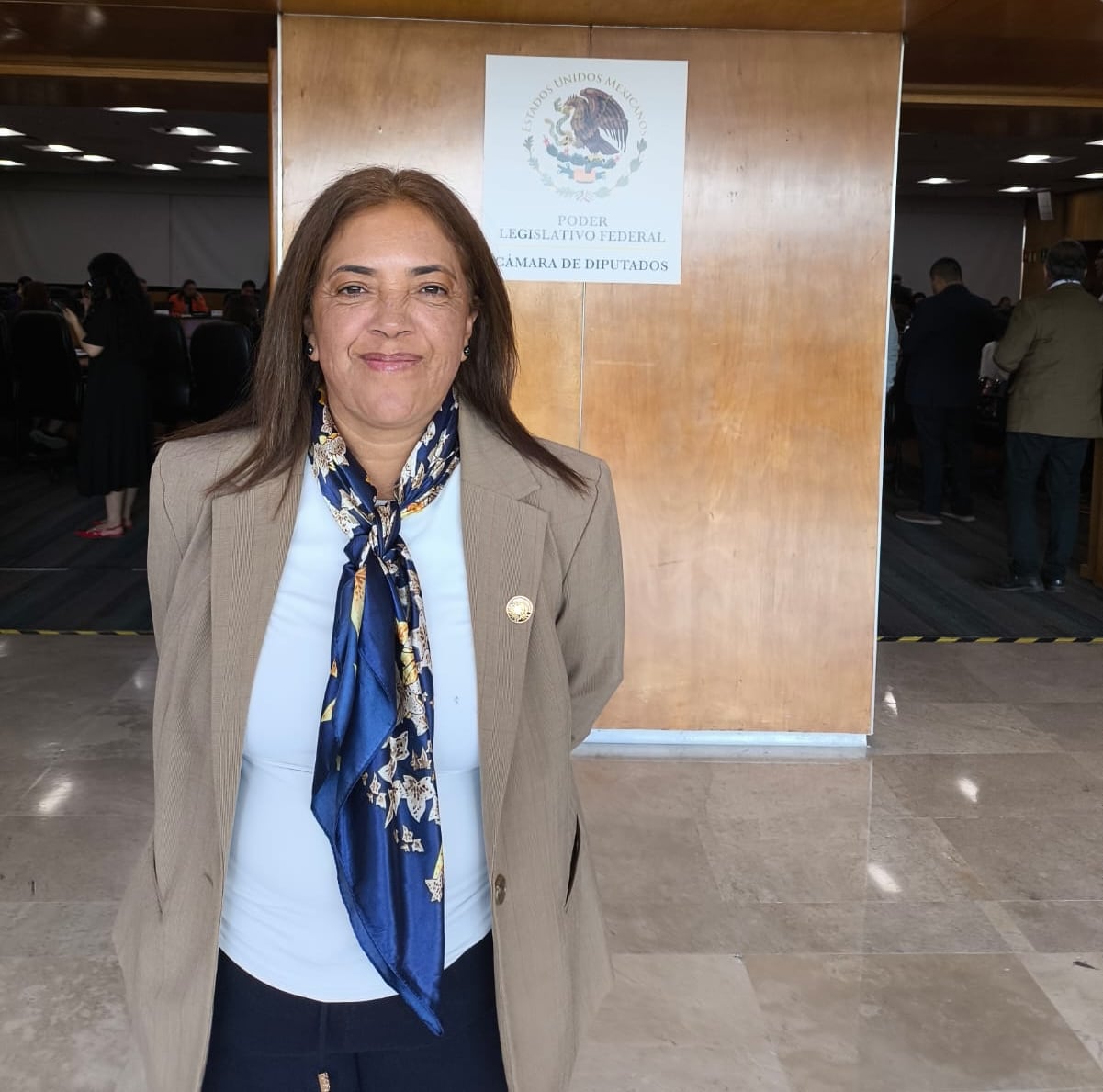 Deputy Maribel Solache González is with the National Regeneration Movement (Morena), Mexico’s governing party. (Roberto Mendoza/CBC)
“To me this is about the rhetoric that has been formed from this theme about Michoacán that we all know was a theme about wanting to hit the first woman president in North America,” Solache González said.
“I think this commentary was perhaps enriched by what was being said in the media.”
Morena currently has majorities in the Chamber of Deputies and the Senate while controlling most of the state governorships.
A Morena candidate has won the last two presidential elections.
Advisories ‘don’t count for much’
Sheinbaum said on Tuesday that her government would be seeking clarification from the Canadian Embassy in Mexico on the advisory.
The president said that these types of advisories “don’t count for much” given that Mexico has seen an increase of 11 per cent in tourism from Canada this year.
It’s unclear if the Mexican government requested any clarification from Canada.
“Global Affairs Canada does not comment on state-to-state communications or on the details of diplomatic discussions.” Global Affairs spokesperson John Babcock said in an emailed statement.
Mexico’s Secretariat of Foreign Affairs did not respond to a request for comment.
Opposition lawmakers said the Canadian travel advisory reflects the reality in the country.
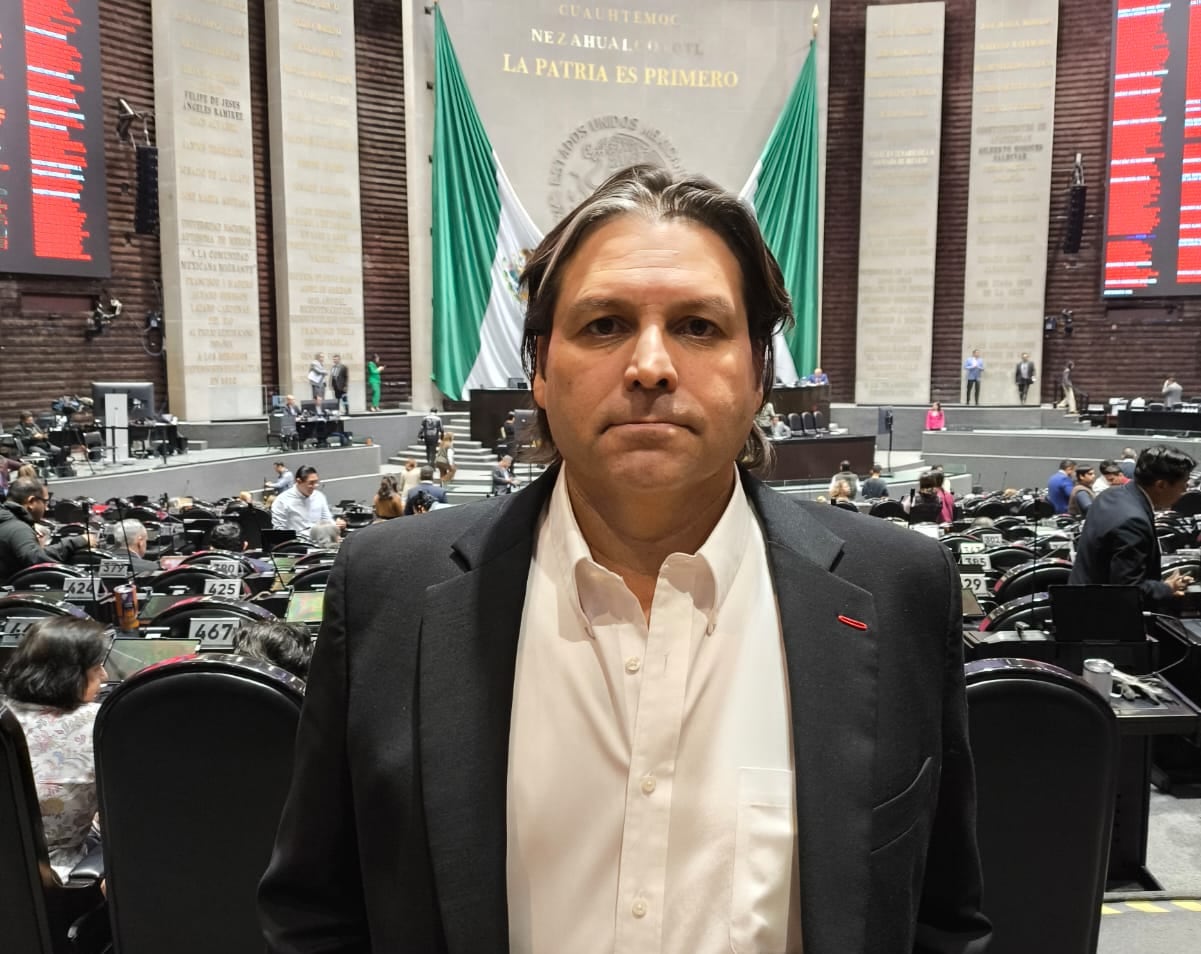 Deputy Mario Zamora Gastélum, who represents the opposition Institutional Revolutionary Party (PRI) in a district of Sinaloa (Roberto Mendoza/CBC)
Deputy Mario Zamora Gastélum, who represents the opposition Institutional Revolutionary Party (PRI) in a district of Sinaloa, said successive Morena administrations have done little to improve security in his state.
“We’ve gone more than one year in a war, yes you can call it that,” Zamora Gastélum said.
“This is the reality that we are living in…. I think this demands the government of Mexico to pay attention to Sinaloa. “
Zamora Gastélum said thousands of people have been murdered and disappeared in the past year across the western state. A recent survey revealed that 90 per cent of people in Culiacán, which has about one million residents, live in fear, he said.
“That’s no way to live,” Zamora Gastélum said.
The Canadian travel advisory recommends against non-essential travel to Sinaloa outside of the city of Los Mochis and specific areas in Mazatlán, which it now suggests Canadians should “exercise a high degree of caution” when visiting.
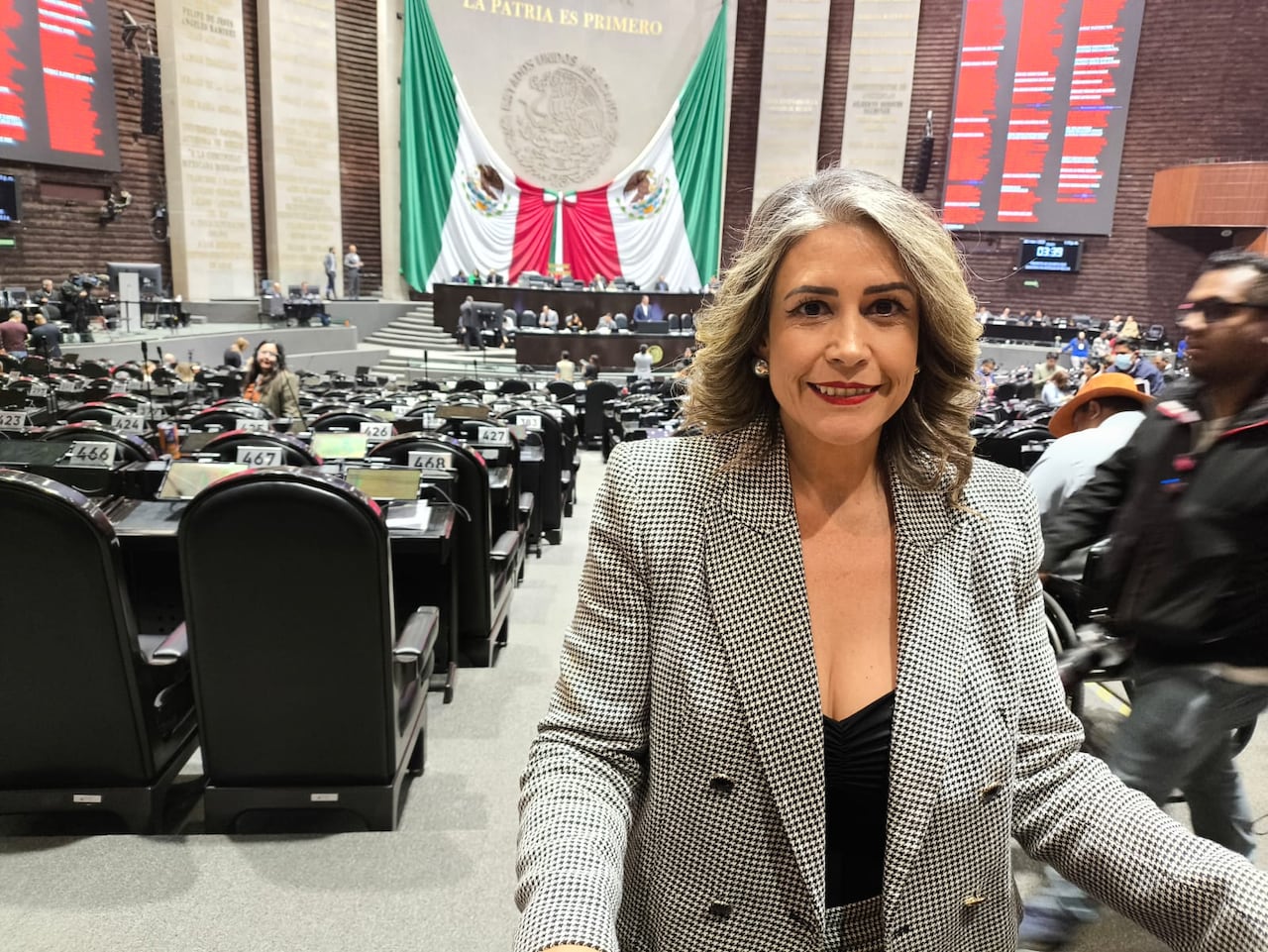 Deputy Paulina Rubio Fernández, who represents a district in the state of Jalisco for the National Action Party (PAN). (Roberto Mendoza/CBC)
Deputy Paulina Rubio Fernández, who represents a district in the state of Jalisco for the National Action Party (PAN), said the Mexican government had failed to bring safety and security to the country.
“We live in a country where the states are seeing growth themes of violence, and unfortunately, the federal government has not been sufficiently focused to contain and eradicate it,” she said.
“It’s a reflection of the situation that we are living in and the failure of the security strategy on the part of the federal government.”
The Canadian travel advisory has a long-standing warning against traveling within a 50-kilometre zone around Jalisco’s border with Michoacán.
Francisco Aguilar Ordóñez, president of the hoteliers and restaurateurs association of the resort city of Acapulco, in Guerrero state, said Canada should retract its travel advisory completely.
“Let [Canadian citizens] come here. We like them, we support them, here we take care of them, and, in the end, nothing happens here,” he said.