
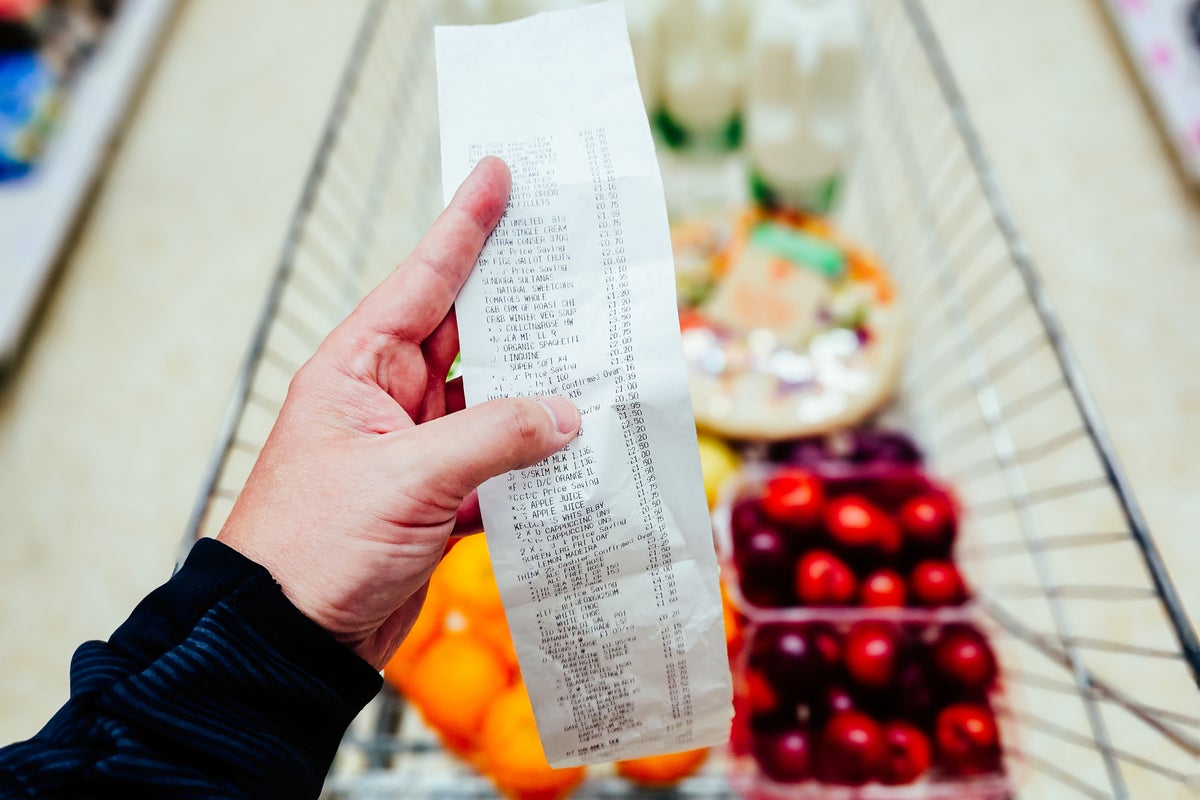
If you only skim the headlines, you might think the cost of living crisis is neatly wrapping itself up. UK inflation has finally dipped to 3.6 per cent, down from 3.8 and the first fall in five months. Markets are betting on rate cuts and somewhere, a Treasury press officer is polishing off the phrase “turning a corner”.
But your weekly shop hasn’t got the memo. Food and drink inflation has risen to 4.9 per cent. At the start of 2025, it was 3.3 per cent, and by some calculations, food prices have jumped about 25 per cent in just two years, roughly the same increase we saw in the 13 years before that. The Bank of England (BoE) notes that even at 4.5 per cent in September, food inflation is still about three times its pre-Covid norm of around 1.5 per cent.
This isn’t about one bad harvest or greedy supermarkets trying to make good on previous losses. Look a little closer and a much more complex picture emerges. So, what are the real issues causing such astronomical price hikes?
The meat problem
Nowhere is the squeeze more visible than in the meat aisle. Parliament’s own research shows beef and veal prices up a staggering 24.9 per cent year on year in August. Butter was up 18.9 per cent, whole milk 15.5 per cent. A simple roast dinner has quietly turned into a small luxury.
Globally, beef prices have hit record levels. Years of drought and high feed prices, especially in the US, have shrunk cattle herds to their lowest levels in more than seven decades; rebuilding them will take years, not months.
Chicken isn’t behaving either. UK poultry prices have risen sharply over the past two years – from about £2.85 a kilo to £5.50 – driven by a combination of avian flu and new welfare rules requiring fewer birds per shed. And with steak and other red meats now priced out of the weekly shop, Britons have been switching to poultry en masse, pushing prices higher still. In the last year alone, the price of a 600g pack of chicken thighs, for example, has risen by around 13 per cent.
.jpeg)
open image in gallery
Red meat has become the ultimate luxury aisle detour, with beef prices rising far faster than the rate of inflation itself (Getty)
Fish is dragged into this, too. UK inflation data singled out fish alongside vegetables and milk as key drivers of August’s 5.1 per cent food-price increase, with higher fuel, import and labour costs pushing up prices across the fresh supply chain. The cheap midweek cod has long since gone the way of the dodo.
Climate chaos
There’s one big thing that has been quietly shaping everything from the cost of butter to the price of grapes: climate change.
Globally, the UN’s FAO Food Price Index, a benchmark for commodity prices, is down 21 per cent below its all-time high. But that headline masks huge spikes in foods most exposed to extreme weather. A study by the Energy and Climate Intelligence Unit found climate-sensitive foods – butter, milk, beef, coffee, chocolate – rose 15.6 per cent year on year in August, more than four times the 2.8 per cent rise for other food and drink.
Chocolate is the poster child. Erratic rainfall and extreme heat have devastated cocoa harvests in western Africa, sending prices soaring by more than 15 per cent in a year – and by over 40 per cent since 2022. Wine is heading the same way. Heatwaves and droughts are shrinking yields in major regions, with some studies warning that up to 70 per cent of wine-growing areas could become unsuitable for their traditional grapes if temperatures rise above 2C.

open image in gallery
When reservoirs dry up, harvests do too – climate shocks like this are now baked into the price of everything from butter to barley (PA Wire)
This isn’t just happening “out there”. The Met Office says 2025 brought the warmest, sunniest UK spring on record – conditions that sound pleasant until you see their impact on crops. Dry soil and heat stress hammered yields of wheat, barley and other staples. The British Retail Consortium (BRC) directly linked the weather to higher fruit and veg prices. MPs have been warned that extreme weather is now a major driver of UK food inflation.
Estimates suggest “climateflation” could push UK food prices more than a third higher by 2050 if emissions stay on their current path; that is not something you can fix with a loyalty card.
The costs baked into every loaf
Even in a perfect weather year, the cost of producing food hasn’t returned to “normal”. The war in Ukraine sent energy, fertiliser and transport prices surging. Those spikes have eased, but the higher running costs they created haven’t disappeared. Businesses won’t drop prices back to 2019 levels simply because the panic is over; they stabilise at a new baseline.
Labour costs are up, too. The BRC says rises in the national living wage and employers’ national insurance contributed to higher prices for “everyday essentials” like bread, meat and fresh produce. And the BoE notes that global agricultural prices in sterling remained more than 5 per cent higher in the three months to October, feeding through to retail food inflation.
This is the bit that rarely makes it into political soundbites: once prices have ratcheted up to reflect a new world of expensive energy, climate risk and higher wages, the ratchet doesn’t simply turn back the other way.
Supermarkets, margins and ‘profiteering’
It’s tempting to blame supermarkets, but the truth is messy. Some evidence suggests parts of the supply chain benefited during the crisis: the Food Foundation found manufacturer profit margins remained relatively high and stable, arguing that weak competition allowed cost increases to be passed straight through to shoppers.
open image in gallery
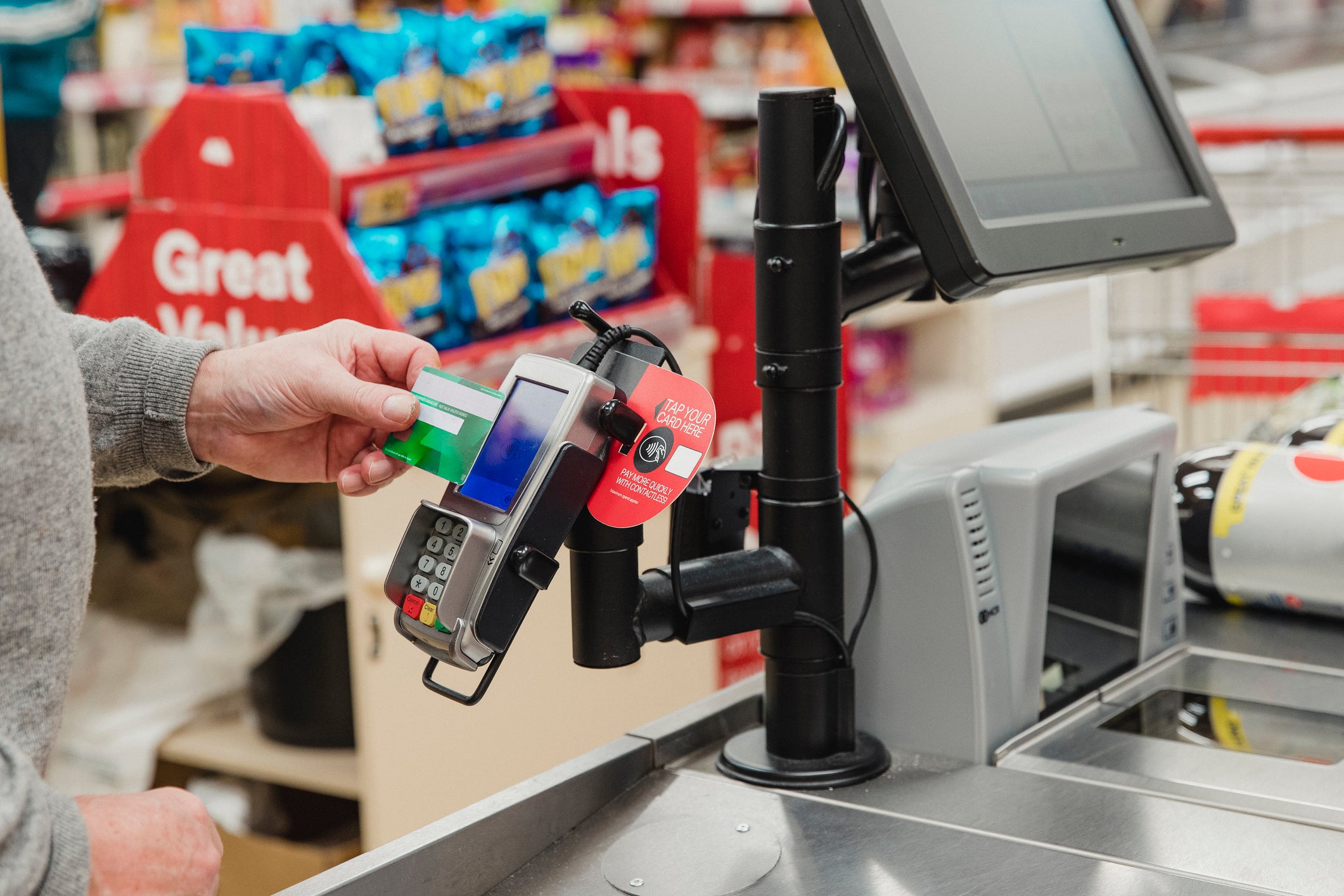
Even in a price war, promotions only go so far – shoppers still feel the squeeze long before any easing trickles through the system (Getty/iStock)
But the Competition and Markets Authority, after scrutinising loyalty pricing earlier this year, concluded competition among major supermarkets is “generally working well”, and that loyalty card discounts reflect genuine savings rather than gimmicks.
The boring but truthful answer is that even without cartoonish profiteering, supermarkets are facing higher costs of their own – energy, transport, business rates, wages – while locked in a permanent price war. When costs rise, consumers feel it immediately – and when they come down, the benefits arrive late, thinly spread and heavily caveated.
Health rules, HFSS bans and the ultra-processed paradox
Layered on top of all this is the way we’re trying to eat – and how the government is trying to make us eat.
England has banned multi-buy promotions of foods high in fat, salt and sugar – cakes, chocolate, crisps, biscuits, sugary drinks – as well as introduced location-based restrictions clamping down on chocolate towers by the till. Even if you never buy a Bogof packet of biscuits, losing 3-for-£3 deals pushes up the final bill. The FDF says regulation has become a “leading driver” of food inflation and expects prices to rise 5.7 per cent by December, before easing to 3.1 per cent by the end of 2026.
open image in gallery
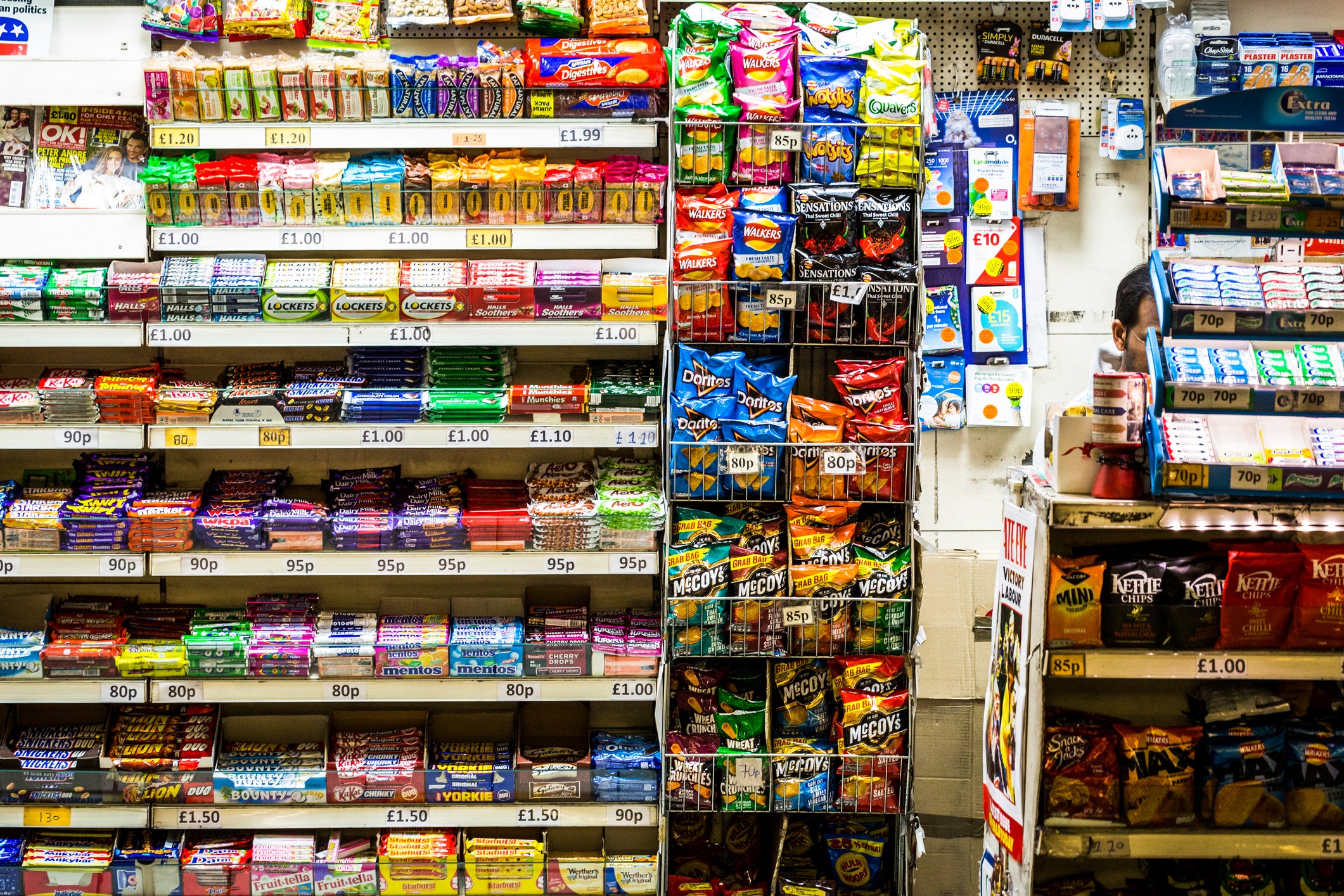
Chocolate is now a climate story as much as a treat, with soaring cocoa prices turning even impulse buys into miniature indulgences (Getty)
At the same time, the UK’s increasing reliance on ultra-processed foods paints a stark economic paradox. The Food Foundation’s Broken Plate report shows that healthier foods are more than twice as expensive per calorie as less healthy ones. So we end up in a strange bind: as inflation squeezes budgets, families gravitate towards the calories they can afford – not the ones public health officials are urging them to buy.
Global prices are down – but the UK lives in its own reality
It’s especially confusing because global food prices, in aggregate, are falling. Yet UK food inflation is rising again. Why?
Timing, for one. Commodity prices ease first, manufacturers second, supermarkets third, consumers last. Then there’s the weakness of the pound, and the fact that the UK imports around 65 per cent of its fresh produce, meaning every drought in Spain or flood in Brazil shows up in our salad drawer. Add domestic higher labour, transport and regulatory costs, and the gap between global and British pricing becomes inevitable.
What happens next?
Food inflation should ease in 2026, helped by lower energy prices and, assuming we get some meteorological luck, better harvests.
But there’s a hard lesson in the past three years. Our food system was built for a world of relatively stable weather, cheap energy, lightly regulated, unhealthy food, and low wage growth. That world has gone. In its place, we have a hotter, drier, more chaotic climate; geopolitical shocks; a long-overdue push to tackle obesity; and a population that, quite reasonably, expects higher wages and decent working conditions. Every one of those forces shows up in the supermarket aisles.
So when you next read that “inflation is down”, and then spend another 10 minutes trying to get your online shop down, you’re not imagining the disconnect. The headline number is falling, but the price of the things we actually notice – meat, milk, veg, chocolate, cereal – is still being shaped by droughts, global beef herds, HFSS rules and the quiet march of UPFs.
Until any of those underlying issues change, your trolley will keep telling a very different story to the one in Westminster. And food, more than any macroeconomic chart, is where the cost of living crisis will hang around the longest.