
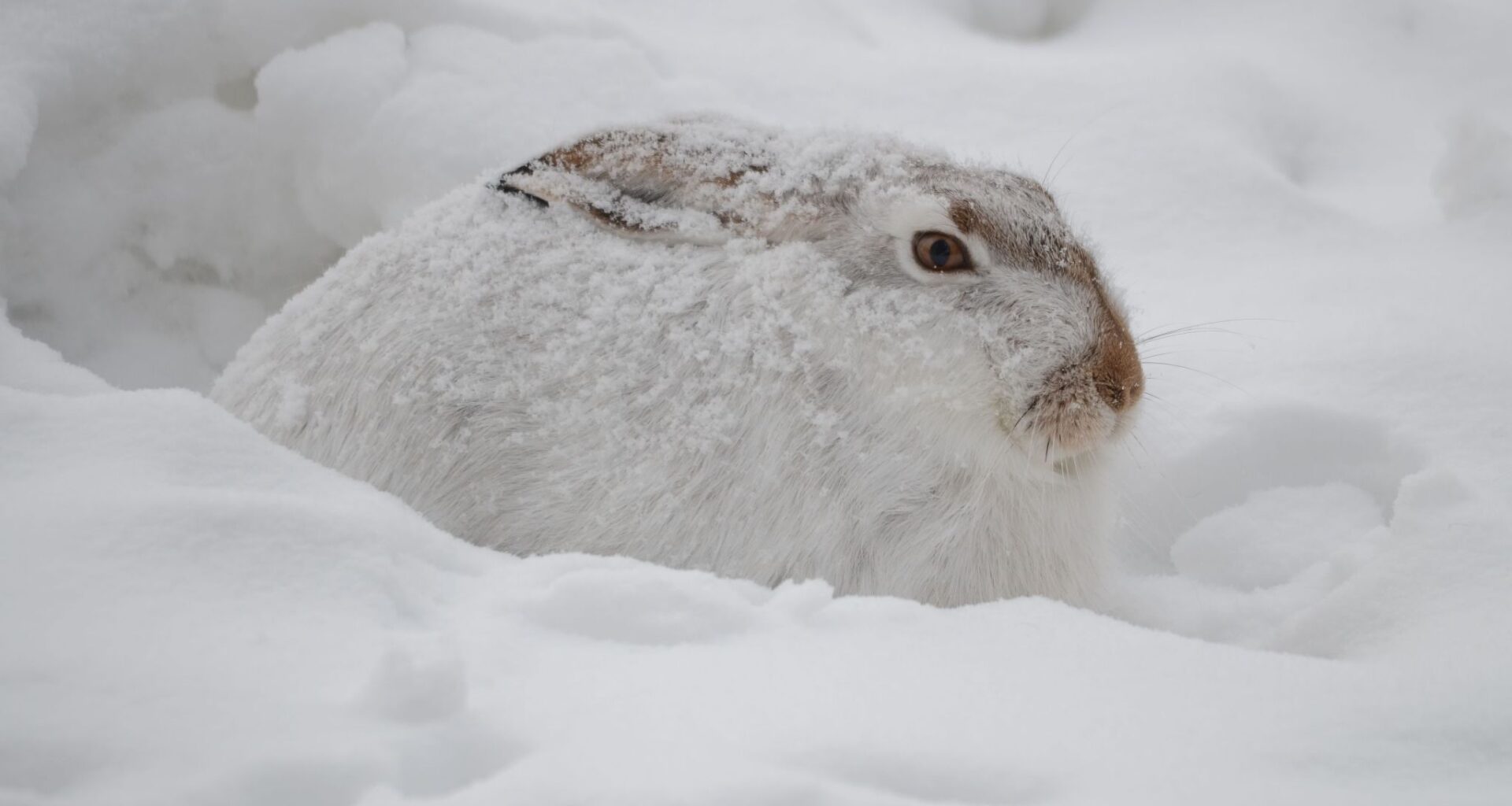
If you spend enough time in Calgary, you’re bound to see one of the many jackrabbits that skirt around the city, and new research has revealed that some have a unique health anomaly.
In a recent study examining 130 jackrabbits found near city roadways, Dr. Jamie Rothenburger, wildlife veterinary pathologist and assistant professor in the Faculty of Veterinary Medicine (UCVM) at the University of Calgary (U of C), identified renal hamartomas — benign, tumour-like kidney growths — in six percent of the animals.
Renal hamartomas are rare lesions composed of normal tissue elements arranged abnormally. The U of C research added that while typically harmless, this frequency and concentration have not been documented in any previous large-scale studies of wild hares or rabbits worldwide.

mmckinneyphotography/Shutterstock
“This represents a unique temporal and geographical cluster. We don’t yet know what’s contributing to these findings, but they raise important questions about how urban environments influence wildlife health,” said Dr. Jamie Rothenburger, wildlife veterinary pathologist and assistant professor at UCVM, in a news release.
The study forms part of a larger project exploring health and disease in Calgary’s wild hares. Future research will investigate causes of death among jackrabbits, as well as their parasites and bacteria, to better understand how urban factors may be influencing disease and survival.
“This type of research helps us understand the connection between urbanization, animal health, and our shared environments,” said Rothenburger. “Wildlife in cities like Calgary offer valuable clues about how development and environmental change impact all species — including humans.”
The finding regarding jackrabbits in Calgary is one of the many studies the University of Calgary Faculty of Veterinary Medicine is undertaking to try to understand and protect the health of animals and ecosystems across Alberta’s rapidly developing urban landscapes.