
In a move that could reshape the future of architecture education across the United States, the U.S. Department of Education is preparing to classify architecture as no longer a professional degree. This move, part of broader reforms under the One Big Beautiful Bill Act (OBBBA), threatens to restrict financial aid for future architecture students and has sparked fierce opposition among architects, educators, and professional bodies.
How the Architecture Degree Delisting Plan Affects Students
U.S. Department of Education Building © Alastair Pike/AFP/Getty Images
The U.S. Department of Education is revising its definition of a “professional degree,” placing architecture among the programs that could be reclassified. Under the proposed rule set for July 2026, architecture could lose its place on the professional degree list. This change matters because the department ties certain financial aid thresholds to that classification. If architecture is pushed out, students entering B.Arch and M.Arch programs will no longer qualify for the broader borrowing limits that professional programs traditionally receive.
The shift connects directly to the new Repayment Assistance Plan, which caps borrowing at $50,000 per year and $200,000 in total for degrees that keep their professional status. Programs that no longer qualify would see even tighter borrowing ceilings. For a field known for long course loads, studio-intensive schedules, and high material costs, the loss of access to these funds could create a real barrier.
Taken together, these policies could reshape who can afford to study architecture in the United States. With limited loan support, many students may hesitate to pursue degrees that require five to seven years of academic commitment. The result could be fewer new architects entering the field and reduced access for students who do not have the means to self-finance a demanding and expensive education.
Architects Oppose the Federal ReclassificationProfessional Recognition at Stake: The American Institute of Architects (AIA) has publicly condemned the policy. In its November 2025 statement, AIA argued that architecture requires years of intensive education, exams, and licensure, and that to deny it professional status undermines the entire profession.Long Education, High Cost: Architecture degrees, such as the Bachelor of Architecture (B.Arch) and Master of Architecture (M.Arch), are typically rigorous and specialized. NAAB-accredited programs prepare students to meet licensure requirements, and the education takes years.Disconnect With Workforce Realities: Advocates argue that excluding architecture (alongside fields like nursing, education, and social work) from “professional” status is deeply flawed. These are high-skill, licensure-dependent professions critical to public welfare.Policy Causes Question: Critics suggest that this redefinition is less about education reform and more about limiting government liability on student loans. As one expert put it, the policy seems designed to reduce exposure to loans in fields where repayment might be less lucrative or slower.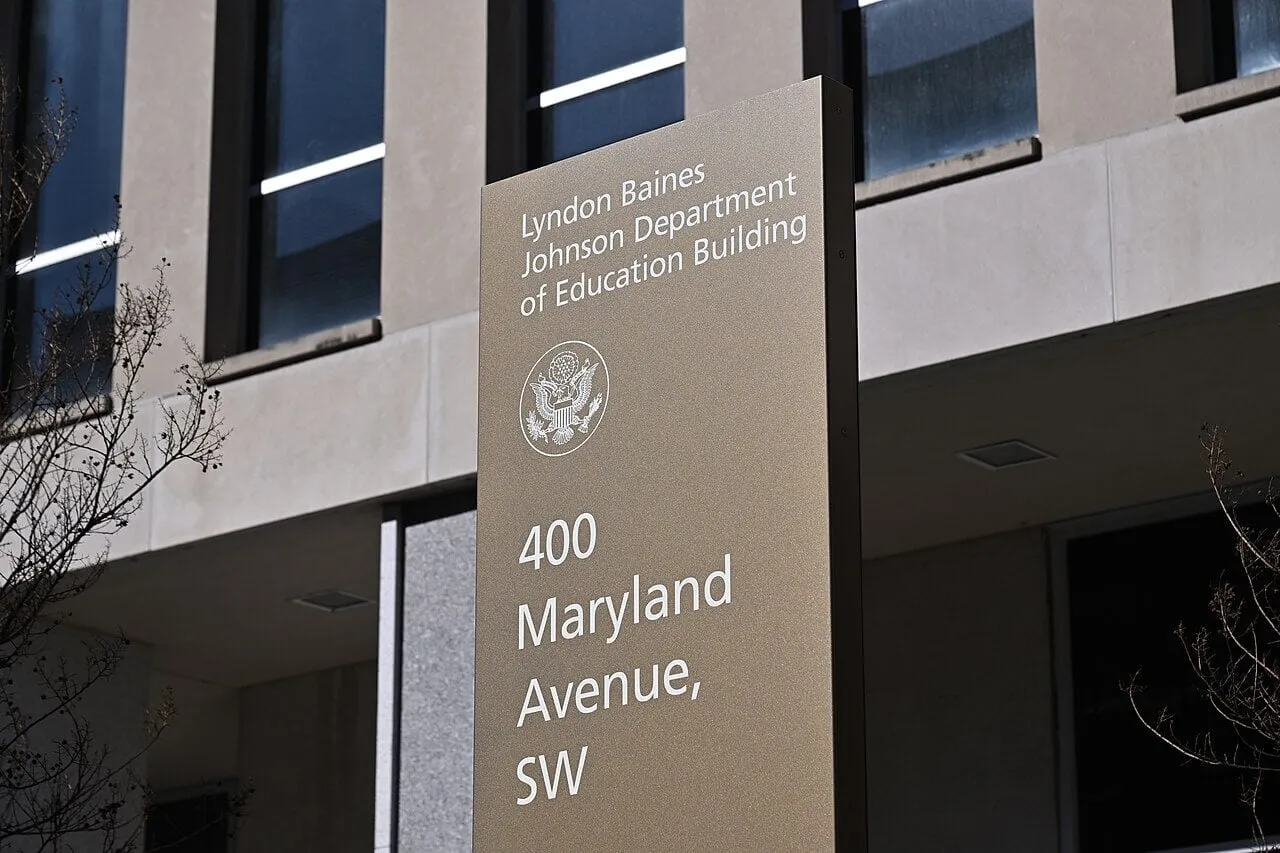
Architecture Education Not a Professional Degree © G. Edward Johnson/Wikimedia Commons-CC BY-SA 4.0What Could This Mean for the Future of Architecture Education?
Could architecture schools see fewer students in the coming years? That is a real possibility if federal loan limits tighten. Programs already require long studio hours, extended degree paths, and significant material costs. Without the financial flexibility tied to professional degree status, many students who rely on federal aid may choose other fields or step away from architecture entirely.
Another question emerging from educators and professional organizations is how this policy could impact diversity. Architecture has long struggled with representation. Higher debt pressure, combined with reduced borrowing capacity, could discourage students from underrepresented backgrounds who already face financial barriers. Officials and academic leaders warn that this shift may widen the equity gap the profession has been trying to close.
There is also concern about the long-term pipeline of licensed architects. The AIA and other national bodies have noted that licensure requires accredited degrees, extensive training, and multi-year commitments. If access to education narrows, the number of graduates ready to enter internships and licensing pathways could fall. In practical terms, this may weaken the country’s ability to meet growing demands for resilient housing and infrastructure upgrades.

Architecture Education © illustrarch
The core question remains: if architecture education is treated as “not a professional degree,” who will the industry lose, and what will that mean for the future workforce that shapes America’s built environment?