
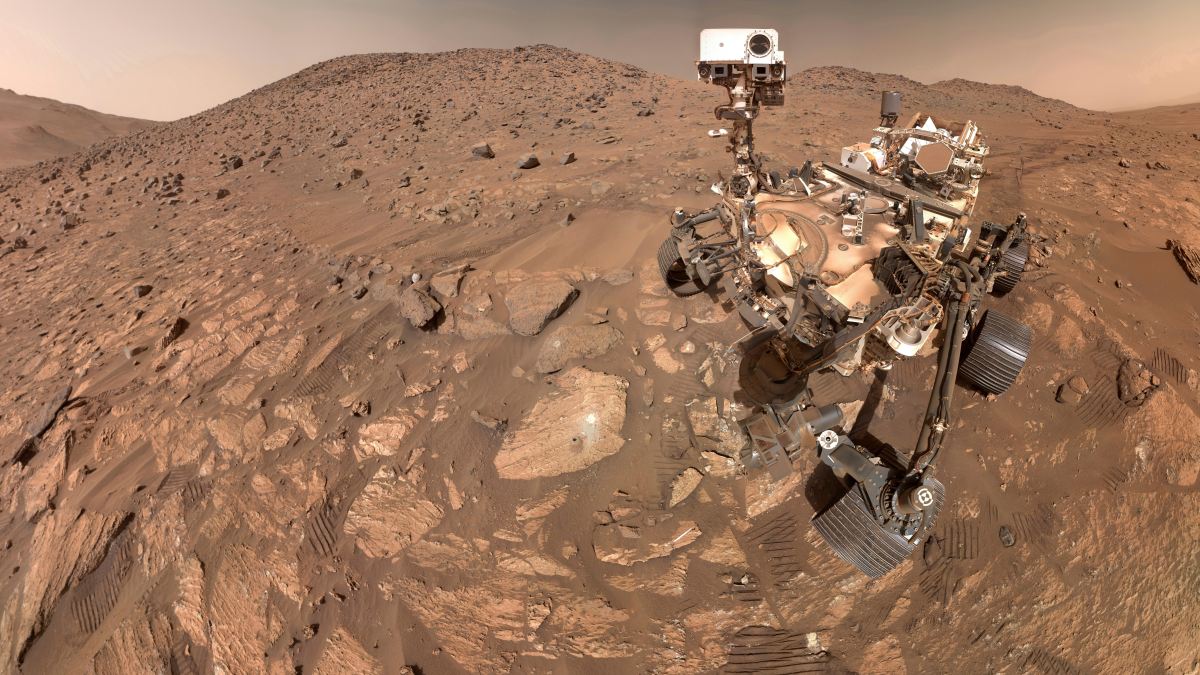
Nasa scientists have made a shocking discovery: there is electricity on Mars.
The finding comes from the American space agency’s Perseverance rover, which has provided the first direct evidence of electrical discharges, like miniature lightning bolts, in the Martian atmosphere.
The events were far smaller than the lightning bolts on Earth but could interfere with the instruments, landers and space suits of astronauts who visit.
Scientists have long suspected that Mars’s dust storms and dust devils — small, fast-moving whirlwinds — might generate electrical activity. Laboratory experiments and atmospheric models indicated it was possible but spacecraft had never experienced it on the planet.
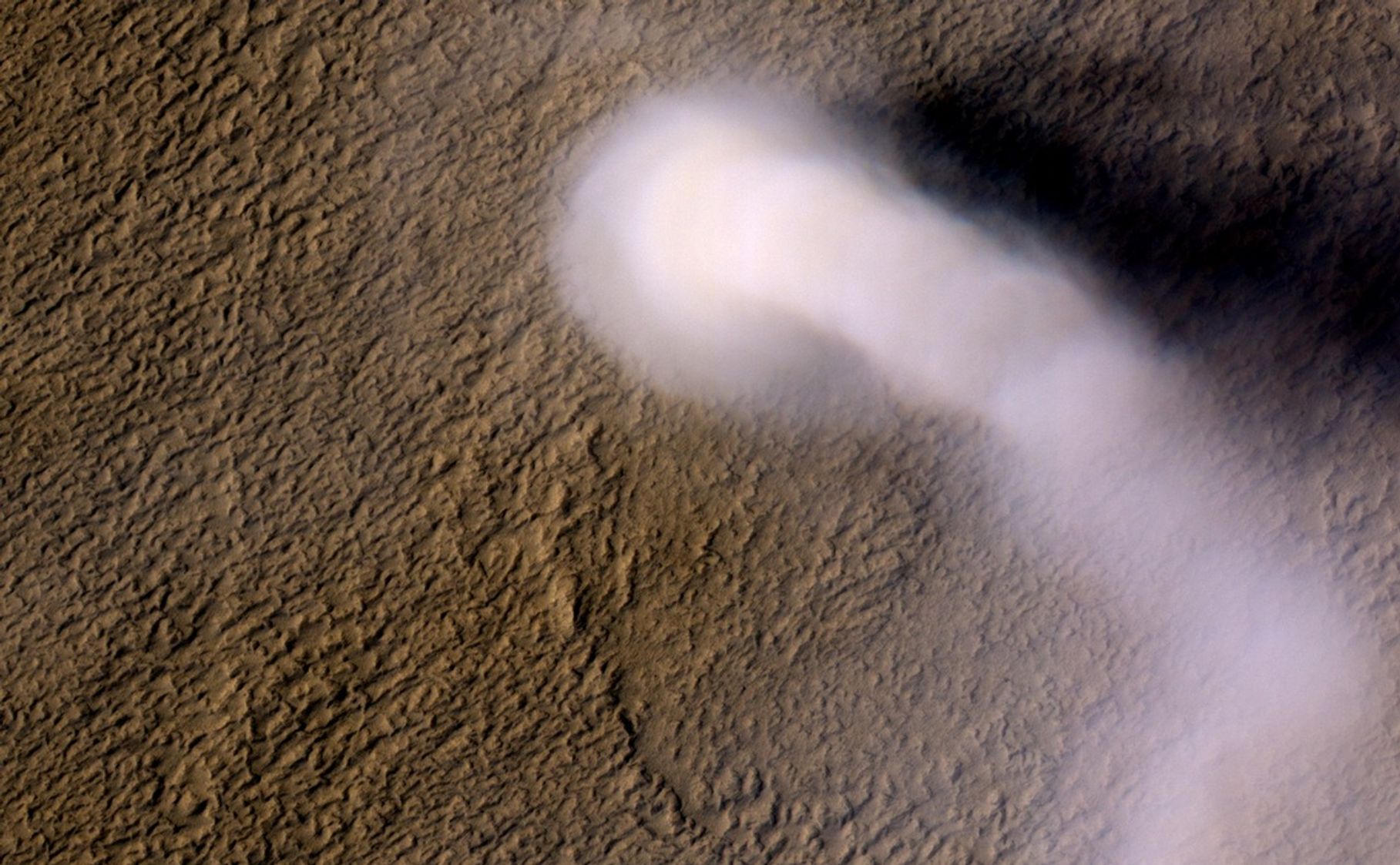
A dust devil on the surface of Mars
The breakthrough, reported in the journal Nature, came from a microphone picking up sound, not from a camera. Perseverance’s SuperCam instrument has been recording snippets of the Martian soundscape since the rover landed in the Jezero crater region of Mars in 2021. Researchers identified 55 unusual events in the recordings.
Each began with a sharp electronic disturbance — a jolt picked up by the microphone’s circuitry — followed milliseconds later by a faint acoustic pulse. Together the two signals matched what would be expected from a small electrical discharge occurring nearby. In several cases the team could work out how far away the spark was, based on the delay between the electromagnetic and acoustic signatures.
• Can humans live on Mars? This Nasa mission intends to find out
The bursts build up when fast-moving dust and sand grains collide and rub against one another, transferring tiny amounts of electrical charge. A similar process occurs in Earth’s thunderstorms, in which different forms of ice brush past each other and accumulate charge, much like a balloon picking up static when it is rubbed.
Most of the Martian events were small. One, however, was far stronger, recorded when an intense dust devil travelled directly over the rover. In that case, the researchers think the rover may have built up static electricity in the storm, then suddenly released it into the ground.