
‘Using reserves this way is like an addiction … It provides no benefit to users, and once you start, it becomes almost impossible to [stop],’ says Don Rennick, ‘It’s no wonder that people are baffled by this process’
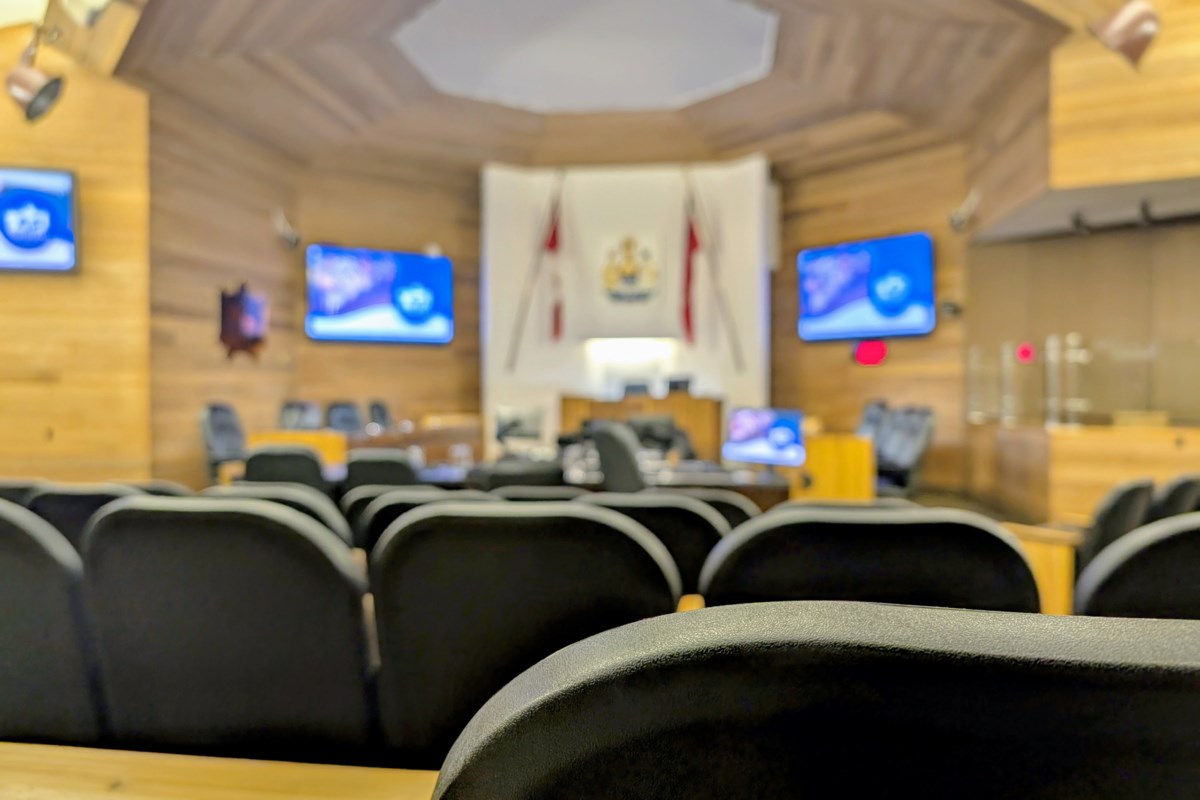
North Bay’s City Council moved two items forward Wednesday night—a proposed increase to Merrick Landfill tipping fees and the 2026 water and wastewater rates—after a meeting marked by concerns over rising costs, future planning, and how the City uses its reserves.
Only seven Council members were present during the committee meeting. Councillors Mark King, Chris Mayne, and Jamie Lowery were absent. Councillor Sara Inch attended the first vote but not the second.
See: Landfill deficit and fees, water rate increases headed to committee for public input
The night opened with the landfill fee item and drew less debate.
Mayor Peter Chirico, Deputy Mayor Maggie Horsfield, and Councillors Lana Mitchell, Gary Gardiner, Mac Bain, Justine Mallah, and Sara Inch all voted to move the fee changes forward to Council. Councillor Tanya Vrebosch cast the lone “no” vote, pointing to the item staying on committee for more public discussion.
The proposed changes would raise tipping fees from $115 to $120 per tonne on Jan. 1, 2026, and to $125 in 2027. Mattress fees would increase from $25 to $30 next year, and to $35 in 2027. City Staff have said the adjustments are needed to keep up with rising costs and declining tipping volumes.
See: North Bay proposes landfill fee increases to offset costs, encourage recycling
The second item—the 2026 preliminary water and wastewater rates—drew more attention. Deputy Mayor Horsfield prefaced that the discussion would only surround the rates.
Residents could see water and wastewater rates jump as the 2026 operating budget includes an increase of 5.27 per cent, or $1.45 million, Staff say, with roughly $824,000 of the increase earmarked for capital investment.
Staff say the budget also includes transfers from capital and operating reserves to mitigate some of the financial impact. The City says North Bay’s water and wastewater reserves are at $17.2 million.
See: City Council examines water and wastewater budget, rates, and long-term financial plan
Staff presented a breakdown of the system, its regulatory requirements, and the calculations behind the proposed increases. They say “the rates are on a full cost recovery basis.”
The proposed rate increase would add between $3.58 and $4.18 per month to a typical household water and wastewater bill in 2026. That would bring the average monthly household bill to between $99.27 and $121.75.
Staff add that rates should maintain the current 40 per cent fixed / 60 per cent variable structure.
The night’s only public speaker was longtime City Hall critic Don Rennick, who delivered a strong warning about the City’s use of reserves.
See: LETTER: City financing should follow a pay-as-you-go principle
“Following the recent budget committee meeting, it’s clear this Council is on track to complete its four-year term without making one meaningful change in either water or tax budgets,” Rennick said.
“This year’s proposed water rate increase is 9.68 per cent before reserves of $2 million are pencilled in to mask the true scale of cost increases. The central issue is the continued misuse of reserves, misuse that directly contradicts Council’s own policy, which states reserves are intended to be used for one-time expenses and reduce the risk to taxpayers of significant budget impacts arising from uncontrollable events and activities.”
Rennick traced the history of reserve transfers over several years, showing a pattern of growing reliance.
“In 2021, the budget was artificially lowered using a $300,000 transfer from capital. The plan then was to use $150,000 in 2022 and another $75,000 in 2023, but in 2023, that transfer suddenly turned into $825,000, supposedly to be phased out in 2024. In 2024, that phaseout was abandoned, and the $825,000 continued. In 2025, it was again pushed to this year. So here we are in 2026, and we’re told it’s $2 million, and the phaseout will take three more years to complete in 2029,” stated Rennick, asking, “How many of you are confident in this latest plan?”
“This pattern leaves no doubt. Using reserves this way is like an addiction. It’s like crack cocaine. It provides no benefit to users, and once you start, it becomes almost impossible to [stop],” he added.
“It’s no wonder people are baffled by this process. One councillor at the meeting last week captured it perfectly when they said, ‘everybody is talking about rebalancing, but to me, we’re just shuffling things’. So, I challenge any member of Council to justify this behaviour or to clearly explain how much the water budget is actually increasing. This constant back and forth is nothing more than shifting today’s problems onto future water users.”
Rennick also criticized the argument that reserve discussions must wait until a full asset management plan review is complete, calling it a “straw man argument,” and said it obscures the true financial picture.
“One has nothing to do with the other,” said Rennick.
“If you, as a Council, recognize that this whole process has become smoke and mirrors, and I’m sure you must, and that this is merely an elaborate set of moves designed to obscure what is really happening, then time has come to put an end to this nonsensical game of reserve musical chairs.”
No councillors asked Rennick questions. Councillor Vrebosch said she would want to discuss, but that the water rates were the focus, as the Deputy Mayor has previously said.
All councillors present ultimately voted to move the water and wastewater rates forward. The committee recommended they take effect Jan. 1. A bylaw will be presented for three readings at the Dec. 9 Council meeting.
See: Budget 2026 Schedule