
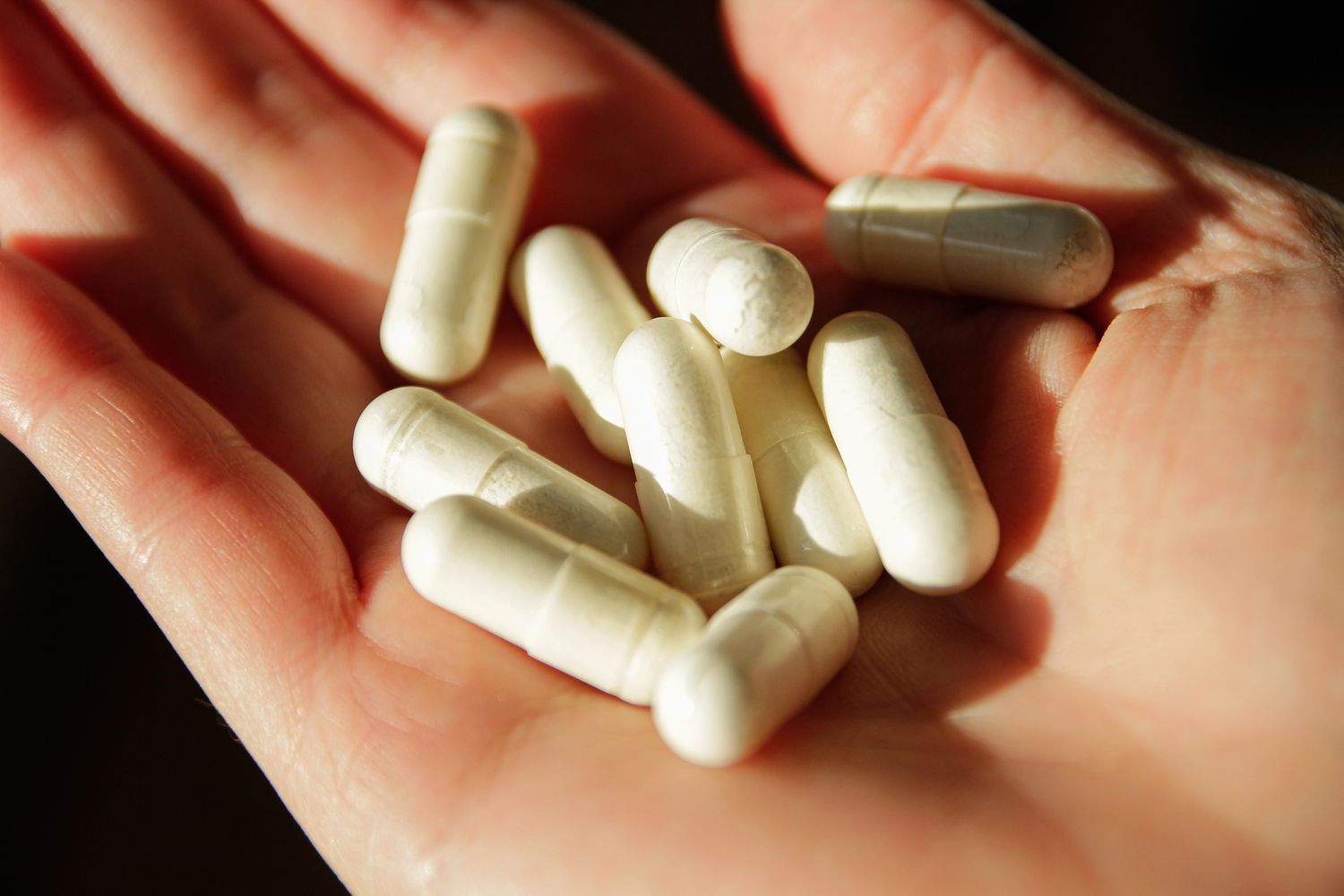
Probiotics are marketed as a daily supplement for gut health and digestion. We asked Dolores Woods, RDN, LD, a registered dietitian at UTHealth Houston, if you should really take probiotic supplements every day to support your gut microbiome.
*This interview has been edited and condensed for clarity.
Q: Since there’s no blood test to show if I’m deficient, how would I know if I actually need probiotics? What happens if I take probiotic supplements every day?
Woods: You’re right, there’s really no test at all to know if we’re deficient, but a lot of times, there are certain symptoms to look for. The first thing I would think about is antibiotic use. Anytime someone takes antibiotics, it disrupts the gut flora—antibiotics kill the bad stuff along with the good stuff. If you have diarrhea or gut issues and you’ve taken antibiotics, probiotics can help restore balance.
Other indicators of a probiotic deficiency include digestive issues and irritable bowel syndrome (IBS)-type symptoms like bloating, gas, diarrhea, and constipation. Skin problems, like eczema and acne, are sometimes linked to gut health.
Listen to your body, especially if you become sensitive to dairy or gluten or you get frequent infections. Sometimes this means your gut health is not at the optimum level, and you may need probiotics.
While it’s generally healthy to take these every day, don’t overdo it. Long-term use and overuse of probiotics can cause small intestinal bacterial overgrowth (SIBO). This imbalance and overgrowth of certain microbes leads to some of the same symptoms you were originally experiencing, like bloating, gas, and discomfort.
What Should I Look for in Probiotic Supplements?
When buying supplements, I always recommend picking a brand that has third-party testing from NSF or another independent testing group. The Food and Drug Administration (FDA) does not regulate supplements for safety and effectiveness before they hit store shelves, so without third-party testing, you may waste your money on low-quality probiotics.
Keep in mind that some probiotics need refrigeration, so make sure you store them properly. Otherwise, you might accidentally kill the live bacteria.
Probiotics are measured in colony-forming units (CFU), and some products have billions of CFU. However, taking a huge amount of CFU is not necessarily safe or effective.
In addition to the CFU, supplement packages typically say which strains are included. People often take too many different probiotic strains, but more is not always better. You can try to read some peer-reviewed studies on specific strains to help you make your decision. Unfortunately, there has not been a lot of research to show what each strain is good for. More research is coming, and we should all keep an eye out – overall, I’m a big fan of probiotics.
Are There Any Probiotic Side Effects to Consider?
When starting probiotics, you may experience bloating, gas, or diarrhea. These side effects subside after your gut gets used to the probiotics. Talk to your healthcare provider if the symptoms don’t go away, since that might signal something more serious.
As with anything, some people may also have an allergic reaction to probiotics.
You can always try probiotic food sources instead of supplements. You’re unlikely to get too much since your bodies know how to regulate probiotics from food. Try yogurt with live cultures, like Lactobacillus or Bifidobacterium, kefir, sauerkraut, kimchi, tempeh, miso, or kombucha.

Thanks for your feedback!
What is your feedback?
Helpful
Report an Error
Other