
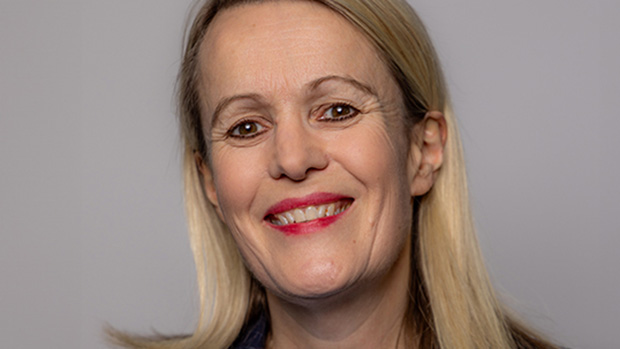
The BBC will put more content for adults on YouTube and experiment with programming made for social media, marking a new approach for the UK public service broadcaster, according to chief content officer Kate Phillips.
Speaking to Richard Osman and Marina Hyde’s podcast The Rest is Entertainment, produced by Goalhanger, Phillips said details about the new strategy would be announced “soon.”
While the BBC has had a presence on YouTube for decades, having launched a BBC-branded channel on YouTube in 2005, it has historically been a place for trailers and clips. This is despite the platform evolving into a destination for longer-form content in recent years, while YouTube Shorts is now a hub for vertical microdramas.
However, Phillips suggested the BBC’s approach is about to change after being asked how the pubcaster is looking to continue the success it had in reaching Gen Z with The Celebrity Traitors online.
“YouTube is a really important platform for us. We’ve been on YouTube for about 20 years but I think we can see its growth and, going forward, we will be putting more content on YouTube. We’ll announce more plans about that soon,” Phillips said.
“Traditionally it was the battle of the broadcasters, then the streamers. Now the biggest competition for young audiences is YouTube. But YouTube is a platform, not a commissioner. Instead of looking at it as competition or a rival, we need to look at it as another platform where we can reach young audiences.”
Having seen its commercial arm use YouTube to exponentially grow the reach of brands such as Bluey, BBC Children’s has begun uploading full episodes of shows to the CBeebies YouTube channel as a way to funnel preschoolers and parents to iPlayer.
Phillips’ comments suggest the approach may now be repeated on other BBC YouTube channel brands.
Discussing the potential to branch out beyond rigid 30- and 60-minute shows, Phillips pointed to last year’s EastEnders spin-off and digital miniseries Spiked, which was launched on social media. S4C, the Welsh-language pubcaster, launched its first vertical microdrama earlier this year.
“We still have a linear schedule to fill, so we still have those kinds of time slots. But YouTube does give us more freedom. EastEnders did a really good vertical drama called Spiked, which did very well. We’re seeing the rise of these shorter dramas. How we do more content of different lengths and forms will all be looked at,” said Phillips.
“When I look at documentaries on YouTube, sometimes they are a bit rawer and scrappier, but actually they’re great content. Maybe we get a bit too hung up on the dub and the grade. We don’t want to drop our standards, but getting content out there faster and reaching more people is a priority.
“We’re seeing the rise of visual podcasts and more digital companies. We’re doing a lot of schemes working with content creators, giving them the opportunity to use our resources. There are brilliant indies we will continue to work with but the rise of new content creators and companies is a real opportunity for us,” the exec added.
Unlike commercial PSBs ITV and Channel 4, which get ad-revenue from their increasingly comprehensive presence on YouTube, the ad-free BBC would not receive any financial return from being on the platform, although its overall viewing figures would likely get a boost.
This trade-off would not be worthwhile, according to a BBC insider C21 spoke to earlier this year, because the perception among the audience about the BBC’s content being on YouTube is that the platform would get the credit if they were enjoying it, regardless of the BBC logo being present.
This could act as a disincentive for viewers to pay the BBC licence fee, therefore undermining the entire funding model for one the world’s most enduring media companies.
The BBC may start to put episodes of a new show on YouTube here and there to promote it and drive viewers to iPlayer, added the insider.
This came after industry figures urged the pubcaster to throw caution to the wind and embrace YouTube wholeheartedly, with Avalon boss Jon Thoday making the radical suggestion that the BBC could free up funding for content by moving its channels to YouTube.
Barb data out earlier this year showed Google-owned YouTube is now “dependably” the second most-watched service in UK households, behind iPlayer.