

Listen to this article
Estimated 3 minutes
The audio version of this article is generated by text-to-speech, a technology based on artificial intelligence.
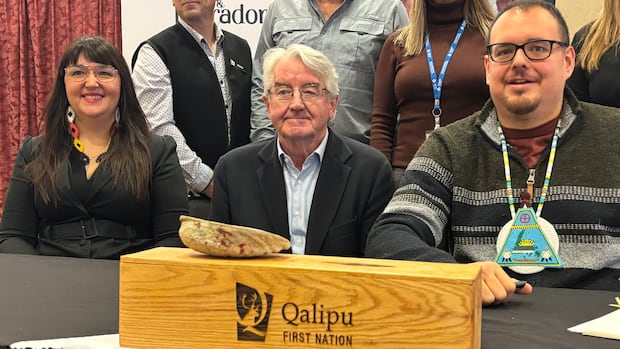
Newfoundland and Labrador Health Services (NLHS) has signed a memorandum of understanding to better health and well-being outcomes for the province’s Indigenous population.
Thursday’s signing in Corner Brook was the first in what will be a series of signings with other Indigenous groups in the province. The Qalipu First Nation and Miawpukek First Nation were the first two groups to sign the MOU.
“The health outcomes of Indigenous people are far, far worse than those people who are non-Indigenous. The data is absolutely clear, and our health-care delivery systems for Indigenous people are deficient,” health authority CEO Pat Parfrey told reporters Thursday.
“They are all areas with deficiencies that we need to rectify.”
Parfrey said there are particular problems around family care, long-term care, mental health care, Labrador’s integration into the provincial ambulance system and overall access to health care.
He said addressing these problems comes in the form of things like improving virtual care in northern Labrador and providing more beds for patients in the new hospital in Corner Brook.
“Bringing the care to the people, and by that I mean bringing providers that can go to coastal clinics and that can use virtual care … that those types of things help immediately,” he said.
Parfrey wants to sign similar MOUs with the Nunatsiavut government, Mushuau Innu First Nation and Sheshatshiu Innu First Nation at a later date, but each MOU will be distinct based on the needs of each Indigenous population.
He hopes to move quickly to address problems currently facing Indigenous populations.
“If we’re not getting some changes within the next year, or even months, we are failing,” Parfrey said.
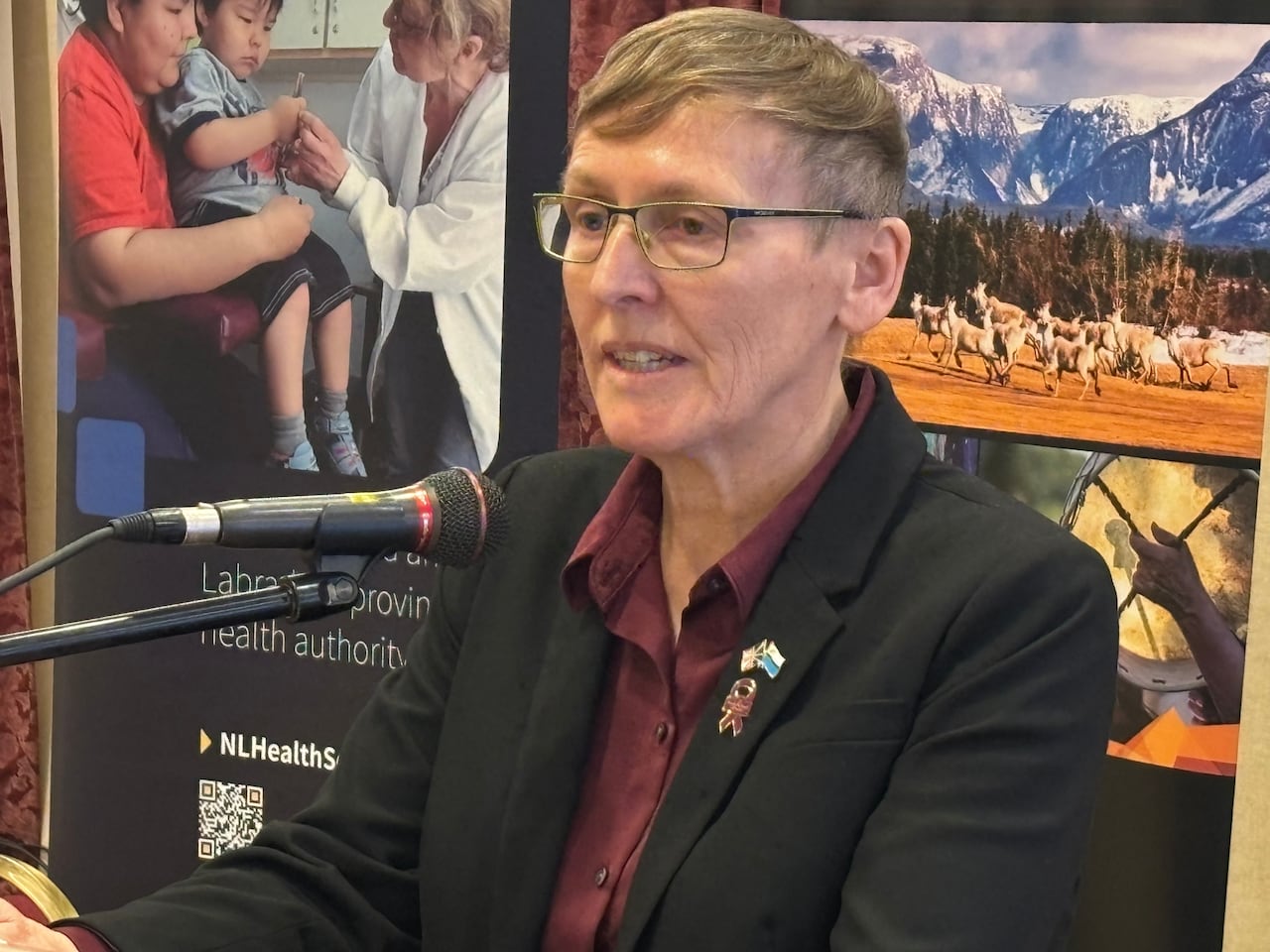 Health Minister Lela Evans says she believes the MOU will help health outcomes across Newfoundland and Labrador. (Colleen Connors/CBC)
Health Minister Lela Evans, also the MHA for Torngat Mountains in northern Labrador, said she is thrilled to support the MOU.
An outspoken advocate for health care across Labrador while she was in opposition, Evans said she values the MOU as a tool that will bring Indigenous voices to the table.
“I think this is going to help everybody in the province,” she said.
“I think what’s going to happen is the service providers for health [care] is going to start to extend what’s in this MOU and the Indigenous health services to the rest of the province. And we’re actually going to end up having better patient care because of the voices of Indigenous people.”
Qalipu First Nation Chief Jenny Brake said the MOU has been years in the making and she hopes it marks a change for Indigenous health care.
“There’s so many factors that impact Indigenous people in this province, and I hope that we get to a day where we don’t really have to look so much to the accord. We don’t have to think about that, because we’re all on an equal playing field.”
Download our free CBC News app to sign up for push alerts for CBC Newfoundland and Labrador. Sign up for our daily headlines newsletter here. Click here to visit our landing page.