
A Two-Day Summit Signals a Shift in India’s Mental Health Landscape
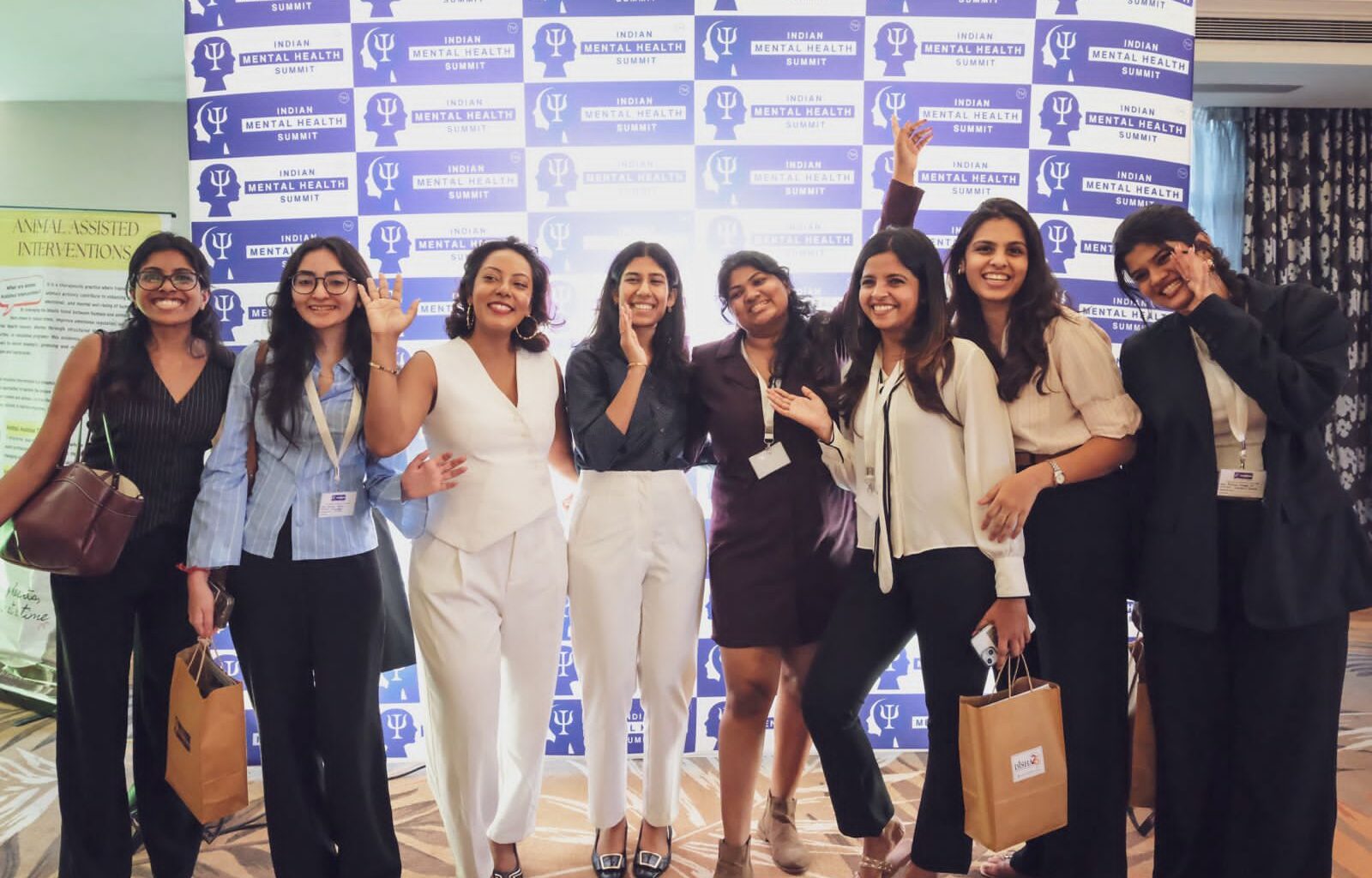
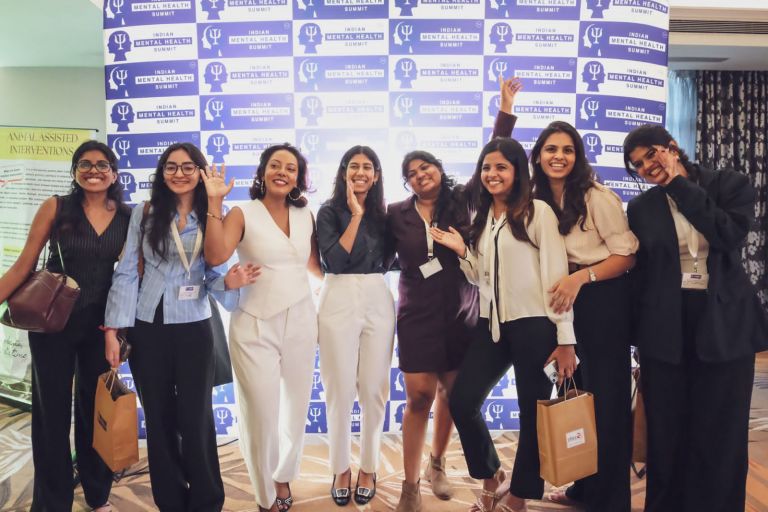
Mumbai: Over the weekend, the Indian Mental Health Summit (IMHS) concluded its third edition, drawing psychologists, researchers, educators, policy advocates, and industry innovators from across the country. What began as an ambitious idea by psychologist Pritha Saha Dutta has now taken shape as one of India’s most anticipated professional gatherings in the mental health sector.
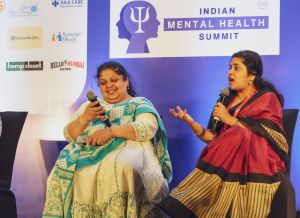 This year’s theme was clear: mental health in India is evolving, socially, clinically, and structurally, and the field must evolve with it.
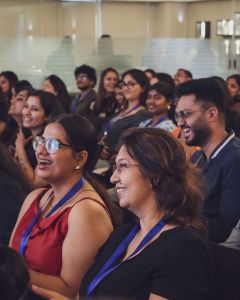
Co-organized by Ruchika Jain, sessions remained on schedule; panels moved with ease; and participants frequently described the event as “well-organized, intentional, and unusually honest.”
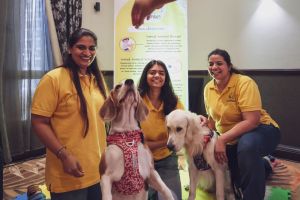
Alongside the formal program, attendees were greeted by therapy dogs, a gentle reminder that healing is not only intellectual or clinical, but also relational.
 Conversations That Moved Beyond Politeness
Across two days, IMHS hosted eleven panels and several research presentations addressing some of the most urgent challenges and emerging possibilities in Indian mental health.
Topics ranged from school psychology reform and postpartum mental health to addiction neuroscience, sexual wellness, and the potential role of psychedelic-assisted therapy in treatment-resistant mental illness.
Discussions also touched on questions that India rarely addresses publicly: who is allowed to practice, how regulation should function, and whether current systems protect those seeking care.
Panels included:
One Nation, One System: Unifying School Psychology Across India
Sex Ed Without Shame: A Roadmap for Families, Schools, and Clinicians
Not Just Memory Loss: The Future of Gero Psychology
Couples & Sex Therapy: The Next Major Specialization Wave
Unlicensed & Unchecked: The Case for Mental Health Regulation
Speakers represented a spectrum of sectors, psychology, psychiatry, education, policy, sports science, sexual health, and emerging research.
The summit also broke new ground, for the first time, every panel and discussion was supported by two Indian Sign Language interpreters. Accessibility wasn’t an afterthought; it was built into the design.
 A Community in Formation
IMHS 3.0 was supported by a wide range of organizations: from tech-backed therapy support systems and disability advocacy groups to a sexual wellness brand that distributed products to normalize conversations around safety, anatomy, and pleasure.
Notably, the sexual wellness brand That Sassy Thing, recently venture funded, provided curated kits for women participants, a gesture that would have been unusual, if not unthinkable, in India’s clinical education spaces a decade ago.

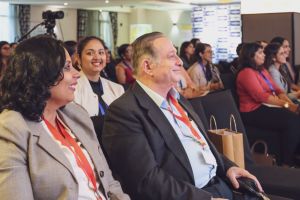
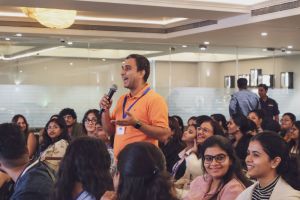
Networking areas stayed full between sessions. Early-career attendees frequently approached speakers for guidance, while seasoned clinicians exchanged opinions that were both candid and reflective.
A Movement Backed by Community and Industry
IMHS 3.0 was supported by a diverse and thoughtful set of sponsors, from clinical tech to sexual wellness, from therapy support systems to disability and neurodivergence advocacy.
 Major partners included:
Therasoft • Innate Minds • Cannazo India • That Sassy Thing • Marbles Health • Maharashtra Dyslexia Association • Luma Fertility • Timus Luggage • Disha Counseling Centre • Aaji Care • Knot Your Therapy • Hemp Closet • Pawsitive Synergies • Therapaws • WellPrism • Amor Vitae Foundation • Conscious Minds • Picky Poppy • Lyallji Foods • 7th Heaven • Serene Vybz Health • Elixir Wellness • Tiny Steps of Healing • Rapturous Minds and many more
A New Kind of Professional Space
If there was a defining feature of the summit, it was not celebrity speakers, sponsor booths, or scale, but tone.
The conversations were less about repeating what is already known and more about examining what remains unsolved:
How should India build a regulated yet accessible mental health system?
Where will the next generation of counselors come from?
How should research and practice evolve to match cultural realities rather than imported frameworks?
More importantly:
Who gets left behind when systems fail to grow?
Founders and Future Direction
For Saha Dutta, the summit marks more than an event, it signals a shift toward a unified national dialogue on mental health practice, education, and policy.
For Jain, it is evidence that coordinated effort, even across distances, can produce structure, clarity, and momentum in a field often fragmented by region, training, and resources.
As IMHS concluded, the energy remained less celebratory and more purposeful, as an acknowledgment that the work continues long after the hall empties.
Whether IMHS becomes a force for policy change or remains a convening space for difficult but necessary conversations will depend on what follows. But for now, one thing is clear:
India’s mental health community is no longer waiting for change.
It is gathering, and building it.
Related