
Published on Nov. 28, 2025, 8:55 PM
The study does not argue that outdoor exercise should be avoided. Even when air quality is less-than-ideal, exercise continues to provide protective benefits.
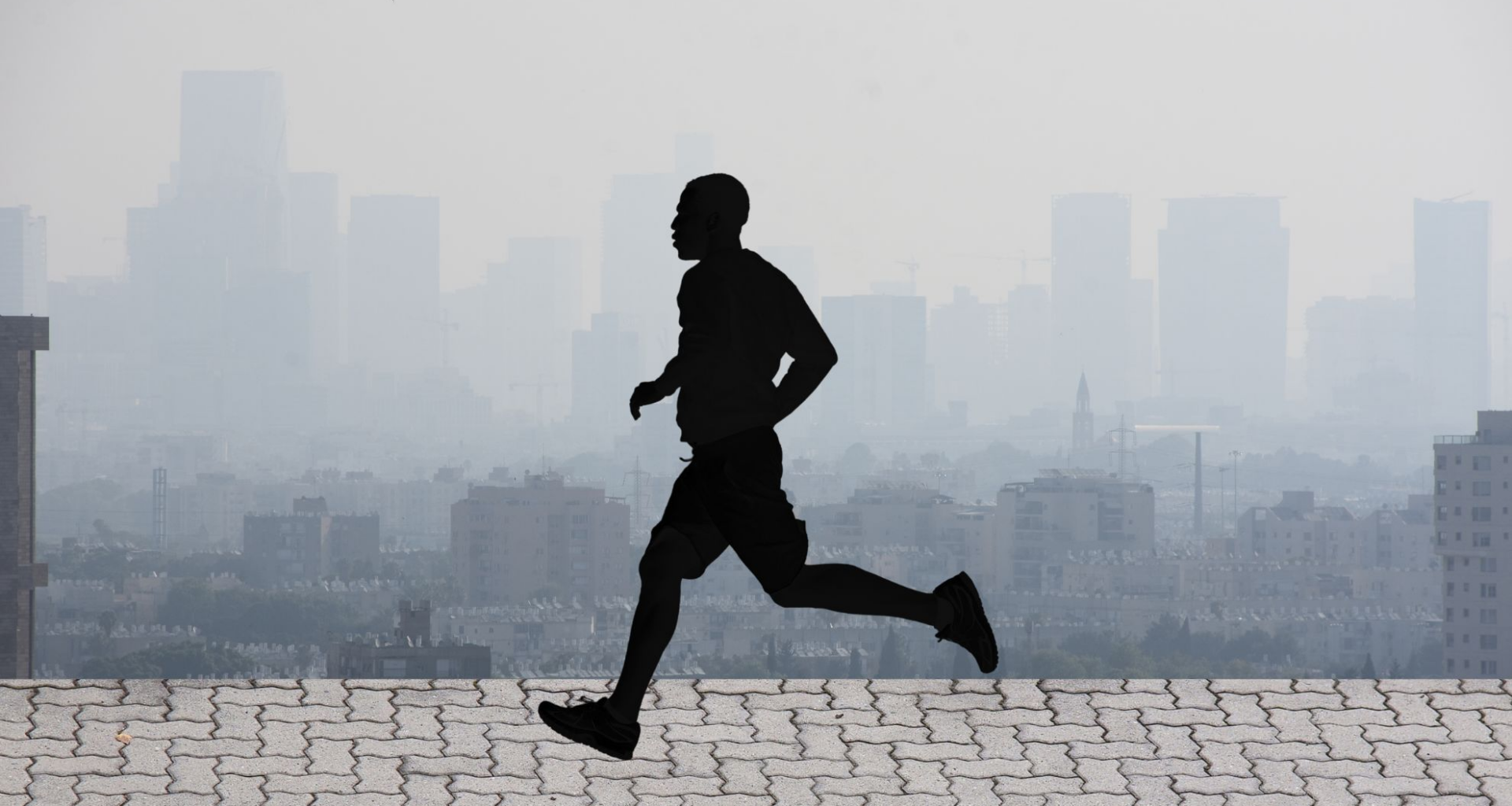
A new large-scale study using the data of over a million adults from across the globe finds that prolonged exposure to polluted air diminishes the protective power of exercise.
“While exercise still helps people live longer, its benefits shrink dramatically in regions with heavy fine particle pollution—especially above key PM2.5 thresholds common in many parts of the world,” reads an excerpt of a statement from the research team at University College London (UCL).
The paper does not argue that exercise should stop. Instead, it pushes for better air quality, which compounds the positive effects of exercise.
For their paper, researchers looked at data from more than 1.5 million adults from high-income countries who were monitored for a decade across several countries, including parts of Europe, Asia, and North America.
They focused on the impact of fine particulate matter, or PM2.5, which is small enough to travel into the lungs and enter the bloodstream.
“Exercise benefits declined sharply when yearly average PM2.5 levels reached 25 micrograms per cubic meter (μg/m3) or higher. Nearly half (46 per cent) of the global population lives in regions where pollution is at or above this level,” reads the UCL statement.