


Allday Project’s Annie / Captured from YouTube channel
A brief exchange between a security guard and a housekeeper over an intercom, announcing that “Madame is arriving” was unintentionally broadcast during a YouTube livestream by Annie (Moon Seo-yoon), a member of the new co-ed group Allday Project. The video spread quickly, and K-pop fans reacted with fascination, saying they felt like they were “indirectly experiencing the daily life of a real conglomerate family.”
Annie is the granddaughter of Lee Myung-hee, chairman of Shinsegae Group, and the eldest daughter of Jung Yoo-kyung, president of Shinsegae. She joined The Black Label as a trainee in 2016 at the age of sixteen. It is the first time a direct descendant of a “chaebol,” a conglomerate-owning family, has entered an agency as a trainee and debuted as part of a K-pop idol group.
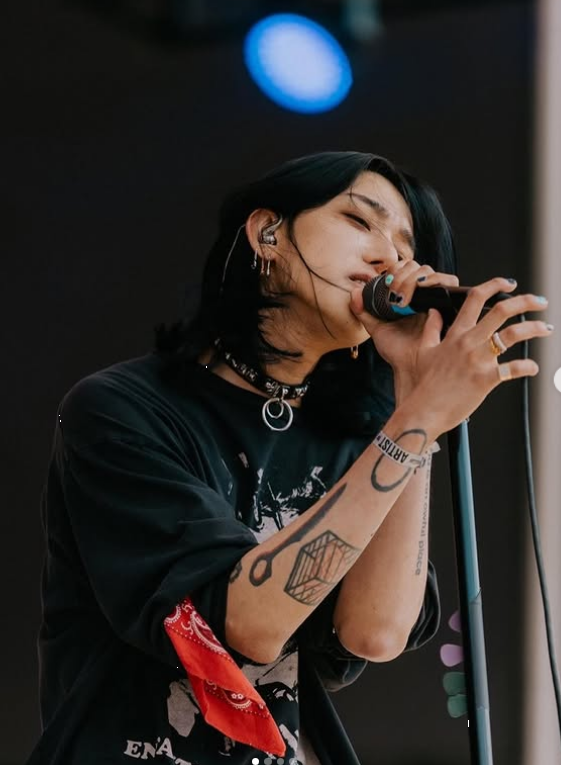
Children of wealthy families, such as Loren (Lee Seung-joo), son of Naver founder Lee Hae-jin, are increasingly attempting to become K-pop trainees. Since H.O.T.’s debut in 1996, the 28-year narrative of K-pop as a place where people of humble background could rise through talent and hard work has been fundamentally overturned by the rise of the “chaebol idol.” No longer do trainees tell stories of “stealing corn from fields to eat” due to lack of food, like members of g.o.d, or BTS’ stories of seven boys sharing one bathroom and sometimes having to run to a public restroom outside.
Loren / Captured from Loren’s social media
Online, a parent known as J wrote on their social networking profile, “Major agency management trainee / 4th grade ○○○,” placing the caption alongside photos of their daughter. Large agencies often scout “management trainees” through street casting, teaching them singing and dancing for three to six months before deciding whether to accept them as full trainees. For parents today, simply having a child reach this pre-trainee stage has become a point of pride — a stark contrast to decades ago, when parents worried their children would be labeled “problematic” for wanting to pursue a career in K-pop.
A manager at a mid-sized K-pop agency said parents of elementary and middle school–aged children “wait for hours during kids’ auditions,” adding that “middle-class and wealthier families have noticeably increased among recent trainees.” According to a study by Kang Won-rae, a former member of Clon, titled “Problems and Improvements of K-Pop Idol Trainee System (2025),” teenagers now typically attend academies specializing in singing and dancing to prepare for trainee auditions. “Academy-style agencies require monthly tuition and often additional private lessons,” the study notes, making parental support crucial.
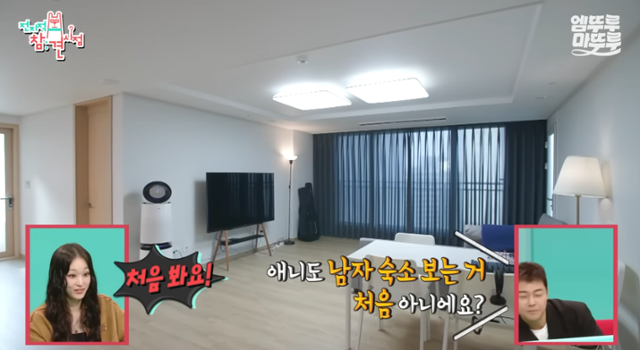
The male members of Allday Project stay in a dorm where each has his own room, with a spacious living area. Captured from MBC

Allday Project / Courtesy of The Black Label

The seven members of BTS lived together in one home and shared a single bathroom. Captured from Big Hit Music’s video


The underground dorm where g.o.d lived during their trainee years had no refrigerator, so the members placed food outside to keep it cool. Captured from SBS
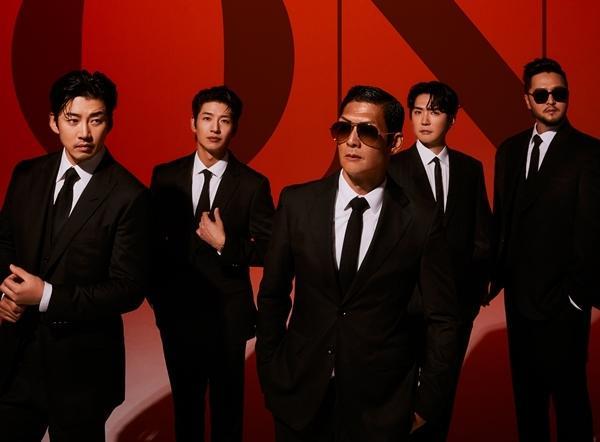
g.o.d / Courtesy of IOK Company
Two major shifts define the starting line for new K-pop trainees: the growing entry of highly privileged young people, and the acceleration of early, exam-like competitions that sorts trainees into hierarchies. These trends reflect K-pop’s rapid class stratification.
What was once viewed as a “land of opportunity” where effort and talent alone could lead to success now resembles an elite admissions track, where early training influences outcomes. This transformation extends beyond the entertainment industry, reflecting broader social currents in Korea. It is the other face of K-pop — globally celebrated as a triumph of the underdog, yet increasingly shaped by privilege.
‘If it doesn’t work out, they can just become influencers’
The growing class divide is partly driven by the perception that entering the K-pop trainee system is a strategic investment in “cultural capital.”
To many students and their parents, pursuing the trainee path is a way to build a personal brand. The goal is no longer solely debuting in an idol group. Even if a debut fails, the experience, networks, and visibility from being a management trainee or full trainee are seen as valuable stepping-stones to becoming a YouTuber or influencer. A specialized weekend course at a major K-pop academy costs 720,000 won ($528) for four weeks, not including additional lessons. Despite the high cost — and the slim chances of being accepted as a trainee — parents continue investing.
“I regret becoming a corporate worker because I only studied,” said a mother in her 40s with a son in the fifth-grade. “Preparing to be a trainee is a personal branding process. Even if it doesn’t work out, I want my child to absorb everything from the agency system and later become an influencer.”
Kim Heon-sik, a professor of social culture at Jungwon University, said many millennial parents “do not want to become like the stereotypical office worker who lives as a company’s beck and call part for twenty years and is eventually pushed out,” adding that they want their children to “avoid that path as well.” As aspirations increase, the trainee system is becoming tilted toward families with the means to afford costly, academy-driven preparations. Lee Dong-joon, a professor at Sungkyunkwan University, said the trainee path now resembles a private education admissions track involving “high-cost investments, private tutoring and agency networks.”
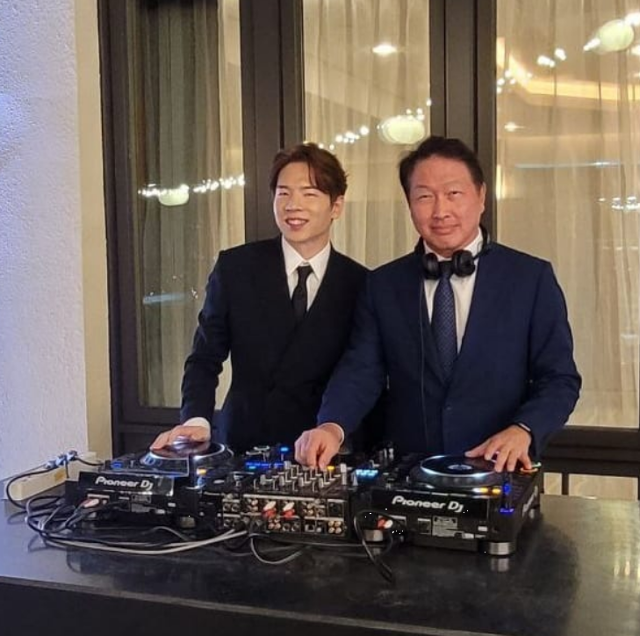
Han Seok-hyun, left, known as Raiden, stands with SK Group Chairman Chey Tae-won. Captured from Chey’s social media
From “hunger” to polished coolness: the reproduction of class
The influx of privileged teenagers into the demanding trainee system aligns with changes in how audiences consume popular culture. In today’s market, charisma is capital — and charisma is increasingly defined not by hardship or “hunger” but by “effortless cool.” Fans say they feel vicarious satisfaction watching someone like Annie, whose confidence appears shaped by comfort and ease.
In her book “Hesitant Love,” writer Ahn Hee-je analyzed K-pop fandom culture, saying that K-pop idols “embody the qualifications required to be loved in Korean society.” She said the entry of wealthy teenagers into the trainee system shows that “inborn advantages and the resulting charisma — something unattainable through effort — are increasingly valued,” and that “the signs of being raised with love” are now seen as qualifications for attention in the “interest economy.”
Coolness, she noted, often stems from economic comfort. When natural-born advantages outweigh skills or personality developed through effort, it suggests rigidity within the industry. Jin Soo-hyun, a research professor at Chung-Ang University, said the rise of privileged trainees shows that K-pop is transforming into a platform that reproduces social class. She pointed to figures such as Han Seok-hyun, grandson of SK Group’s founder, who works as a DJ and producer under SM Entertainment.
Undermining the myth of fair competition
Large K-pop agencies have become increasingly favorable toward privileged trainees. Ahead of its new boy group debut next year, Modernberry Korea openly promoted the fact that one member, Ha Min-gi, is the grandson of the founder of a company with more than 100 billion won in annual sales. One agency insider with more than a decade of experience said that unlike the past, companies now look for trainees who “grew up well, without trouble or rough edges,” partly to prevent future scandals.

Girl’s Day / Captured from the group’s social media

Apink / Hankook Ilbo file
Meanwhile, industry polarization is deepening K-pop’s class divide. According to Circle Chart, which aggregates data from nine domestic and international music platforms including Melon, Bugs and Spotify, seven of the top ten most-streamed songs last year were produced by major agencies. Not a single song from a mid- or small-sized agency made the top ten. By contrast, in 2014, three songs from smaller agencies ranked in the top ten, including Apink’s “Mr. Chu” (Play M Entertainment) and Girl’s Day’s “Something” (DreamT Entertainment). In just a decade, small agencies have vanished from the hit-making landscape, demonstrating the growing influence of large-scale capital and systems.
As class stratification accelerates, the myth of fairness weakens. Trainees from less privileged backgrounds naturally experience higher anxiety, which in turn creates further disparities. Kim Sung-yoon, a research fellow at Dong-A University’s Institute for Convergence Knowledge and Society, said it is difficult to expect a fair competition between a teenager who must cope with economic hardship if their trainee career collapses, and someone from a wealthy family who is encouraged to take risks.

H.O.T / Courtesy of SM Entertainment
The fading narrative of struggle and growth
K-pop’s class divide is reshaping the music itself. Earlier generations of idol groups often highlighted themes of resistance, injustice or personal growth. H.O.T.’s “Warrior’s Descendant” (1998) confronted school violence, while BTS’s debut track “No More Dream” (2013) urged young listeners to reject societal expectations and define their own aspirations.
In contrast, groups emerging from today’s stratified system emphasize innate superiority. Such shifts weaken the sense of community and shared growth that once connected idols and the public. Kim Sung-yoon said that in stratified K-pop, there is little room for the narrative storytelling that was long considered a core virtue of the genre. Instead, the focus shifts to aesthetics — “how attractive the vibe is” and how refined the music sounds.
This article from the Hankook Ilbo, the sister publication of The Korea Times, is translated by a generative AI system and edited by The Korea Times.