
Quick Read
Leaked NASCAR management texts revealed efforts to stifle Tony Stewart’s SRX Series due to rising competition.SRX, co-founded by Stewart, attracted both retired and active drivers, outperforming NASCAR’s Truck and Xfinity Series in ratings.Kenny Wallace controversially sided with NASCAR, citing business pressures amid billion-dollar TV deals.SRX was discontinued after three years due to financial challenges, but its impact on the sport remains significant.
The drama unfolding in the world of American stock car racing has rarely been more vivid than in the aftermath of the leaked text messages from NASCAR’s highest ranks. What began as a private exchange among executives has become a public spectacle, shining a harsh spotlight on the sport’s inner workings, its rivalries, and the precarious balance of power that shapes its future.
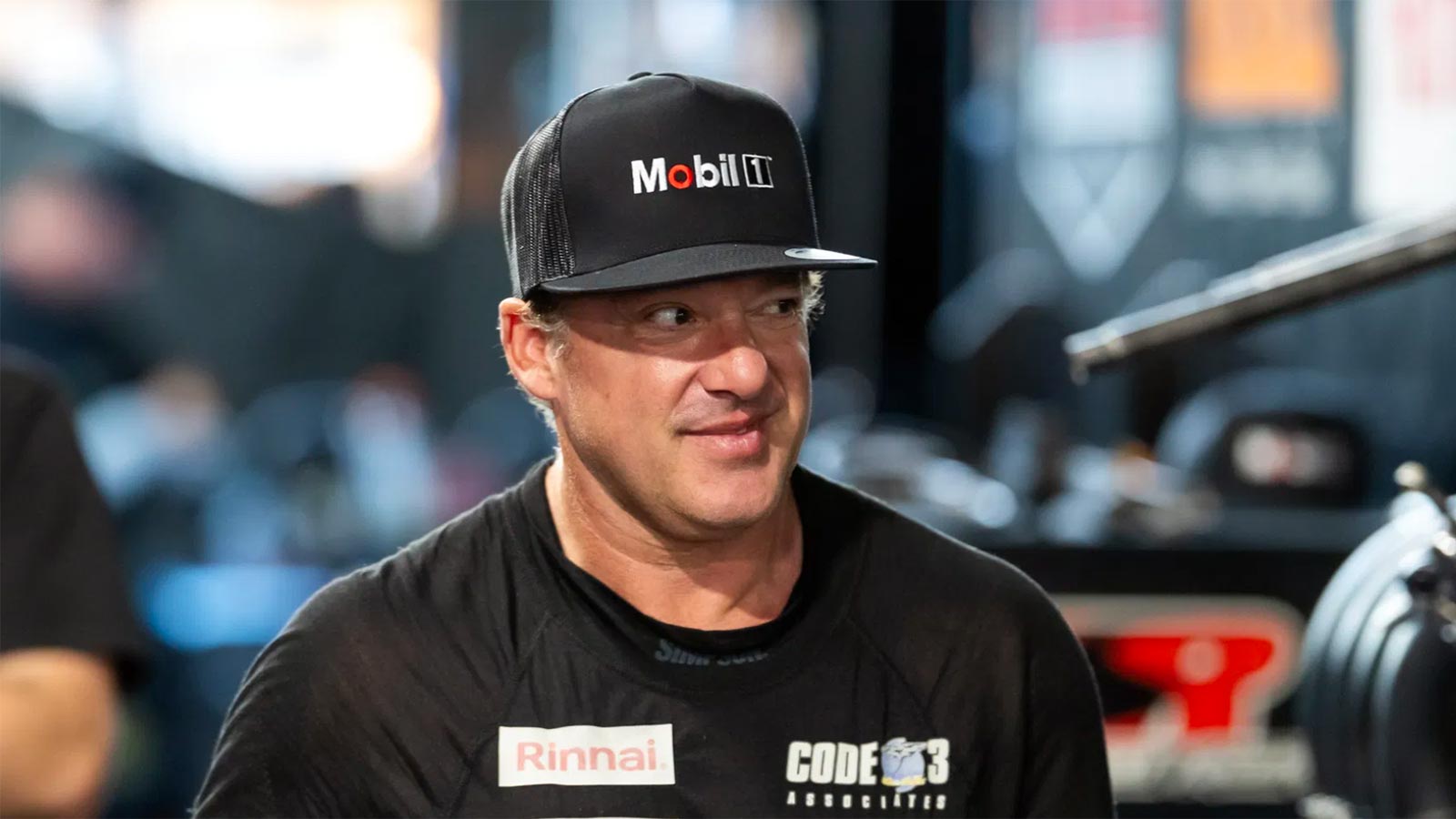
At the center of this controversy sits Tony Stewart, a legendary driver and co-founder of the SRX (Superstar Racing Experience) Series. Stewart’s involvement in SRX was intended as a celebration of veteran racing talent—a place where retired greats could relive the thrill without the pressures of NASCAR’s top-tier circuits. But as the SRX series gained traction, it quickly evolved into something more competitive and, for NASCAR, more threatening.
NASCAR’s Leaked Texts: The Spark That Ignited the Debate
According to the messages that surfaced, senior NASCAR officials, including Steve Phelps and Steve O’Donnell, expressed alarm as SRX began to attract not just retired drivers, but current stars like Denny Hamlin. The texts, as reported by Pro Football Network, reveal that SRX’s broadcasts on ESPN were outperforming NASCAR’s own Truck and Xfinity Series in ratings. The management’s anxiety was palpable, especially with billion-dollar TV deals hanging in the balance.
One particularly inflammatory phrase—“putting a knife” in the SRX series—made headlines, hinting at a desire to stifle the competition before it could threaten NASCAR’s dominance. This language sparked outrage across the racing community, with fans and drivers alike questioning the ethics of such a move.
Kenny Wallace’s Surprising Stand: Understanding the Business Side
While most observers condemned NASCAR’s approach, Kenny Wallace, himself a former NASCAR driver and outspoken commentator, offered a nuanced take. Speaking on the “Motorsport Report” podcast, Wallace acknowledged the discomfort many felt, but argued that NASCAR’s concerns were rooted in business realities. If top drivers were racing in a rival series aired on a competing network, it could undermine NASCAR’s leverage in high-stakes negotiations and dilute its brand.
Wallace’s perspective, though controversial, reflects the complexities of modern motorsport. The lines between competition and collaboration are blurred, and the stakes—both financial and reputational—are higher than ever.
The Rise and Fall of the SRX Series
The SRX Series was co-founded by Stewart alongside Ray Evernham, George Payne, and Sandy Montag, with Evernham designing the cars and Donald Hawk later stepping in as CEO. The series quickly became a showcase for racing veterans, but as its profile grew, current stars started to join the grid. Denny Hamlin’s participation was particularly notable, signaling a shift from “nostalgia act” to genuine competitor.
With ESPN’s backing and impressive ratings, SRX appeared poised to become a true alternative to NASCAR’s established circuits. The management’s discomfort was understandable: the sport they had long controlled was facing an unexpected challenge, and the threat of losing top talent—and viewers—was real.
But the story didn’t end with SRX’s rise. Financial pressures mounted, and despite its popularity, the series struggled to secure the support needed to continue. After just three seasons, SRX was discontinued, leaving fans and drivers disappointed and the racing landscape altered.
Monopolistic Practices and the Future of Stock Car Racing
The leaked texts not only revealed NASCAR’s response to SRX, but also reignited longstanding allegations of monopolistic behavior within the sport. Teams like 23XI and Front Row Motorsports have often accused NASCAR of wielding outsized control over the market, limiting opportunities for innovation and competition.
The SRX saga is not an isolated incident. Around the same time, Dale Earnhardt Jr.’s acquisition of the CARS Tour series was seen as another potential rival, further complicating NASCAR’s position. The sport’s future now seems more uncertain, with fans demanding greater transparency and accountability from its leaders.
Tony Stewart’s Role: Innovator, Competitor, Outsider
For Tony Stewart, the SRX series was more than a business venture—it was a statement. Stewart has always been known for challenging the status quo, whether behind the wheel or in the boardroom. By creating a platform for veteran drivers and inviting current stars, he forced NASCAR to confront uncomfortable truths about its own appeal and the nature of competition.
Stewart’s willingness to disrupt the established order speaks to a broader trend in American motorsport: the push for diversity, innovation, and a more inclusive culture. The SRX series may have ended, but its impact is still being felt, as fans and drivers continue to call for change.
The Larger Implications: What Comes Next?
The fallout from the NASCAR text scandal is far from over. As the sport grapples with the consequences of its leaders’ words and actions, questions remain about how stock car racing will evolve. Will new series emerge to challenge NASCAR’s dominance? Can the sport adapt to shifting fan expectations and media landscapes?
One thing is clear: the story of Tony Stewart and the SRX series has become a touchstone for debates about fairness, competition, and the future of racing. As the dust settles, both fans and insiders are watching closely to see what lessons NASCAR will take from this moment—and whether real change is on the horizon.
In reviewing the facts, it’s evident that Tony Stewart’s SRX series forced NASCAR to confront its own vulnerabilities. The leaked texts exposed not just a rivalry, but a deeper struggle for the soul of American racing. Stewart’s legacy as an innovator endures, and the questions raised by the SRX saga will shape the sport for years to come.