
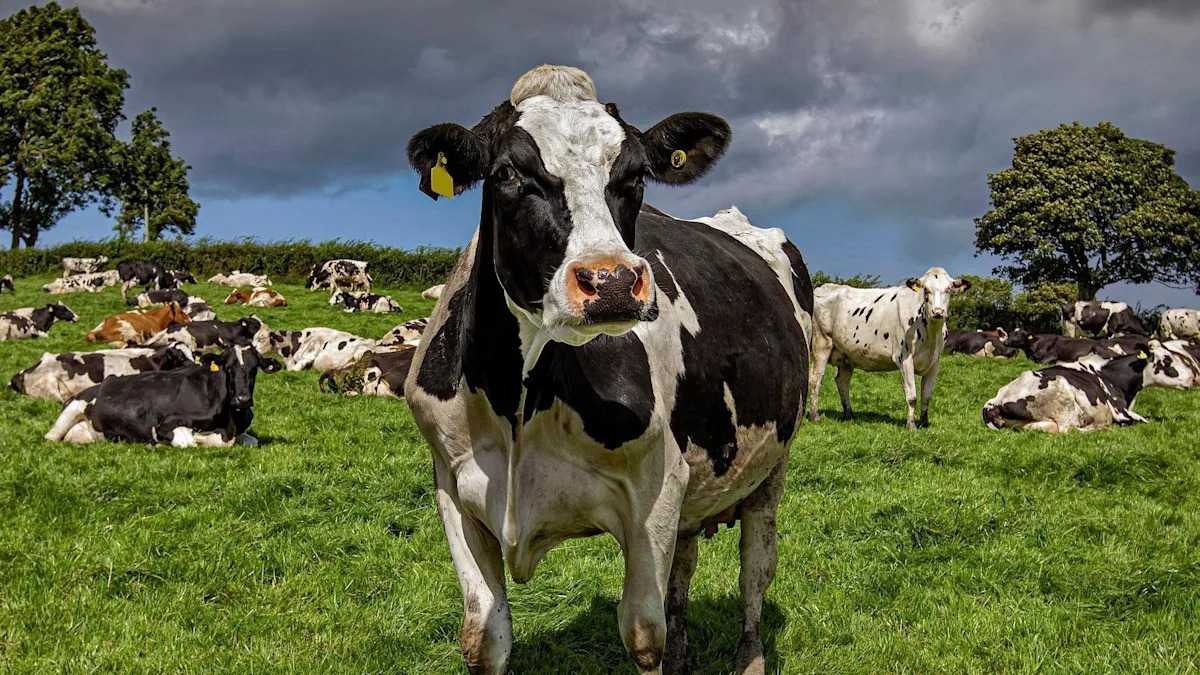
A 20km Temporary Control Zone (TCZ) has been introduced as vets investigate the first suspected case of bluetongue virus (BTV-3) on the island of Ireland.
The Department of Agriculture, Environment and Rural Affairs (Daera) said their surveillance indicated the presence of the disease in two cows at a holding near Bangor, County Down.
Spread by midges, bluetongue poses no threat to the public or food safety but can have serious consequences for cloven-hoofed animals like sheep and cattle.
The TCZ was put in place at 21:00 BST on Saturday, and Agriculture Minister Andrew Muir said the suspect cases are “of great concern”.
“While there was always a potential for bluetongue to arrive here, given its prevalence in GB and the EU, we must now do all we can to protect our livestock and limit the spread of the disease,” Muir said in a statement issued on Saturday evening.

The Daera Minister Andrew Muir says producers should ‘play their part’ in limiting potential further spread [PA Media]
“In the face of these suspected cases, my officials are taking all the necessary steps to protect the agri-food industry,” Muir added.
He urged anyone in the TCZ to follow the restrictions and said he was working closely with stakeholders in the UK and the Republic of Ireland.
Moves of species susceptible to bluetongue on or off premises within the TCZ are prohibited while officials carry out further investigations.
A general licence is available that allows animals to cross the boundary if they are going directly to slaughter.
What is Bluetongue virus?
Bluetongue virus (BTV-3) affects cattle, goats, sheep, deer and camelids such as llamas and alpacas.
It can cause ulcers or sores around the animal’s mouth and face, difficulties swallowing and breathing, fever and lameness, foetal deformities and stillbirths.
The latest outbreak began in the Netherlands in 2023, where tens of thousands of sheep died, and midges blown over from the continent began infecting livestock in the south-east of England too.
But the impact of BTV-3 seems to vary considerably across different regions, with some animals showing little sign of infection and managing to recover.
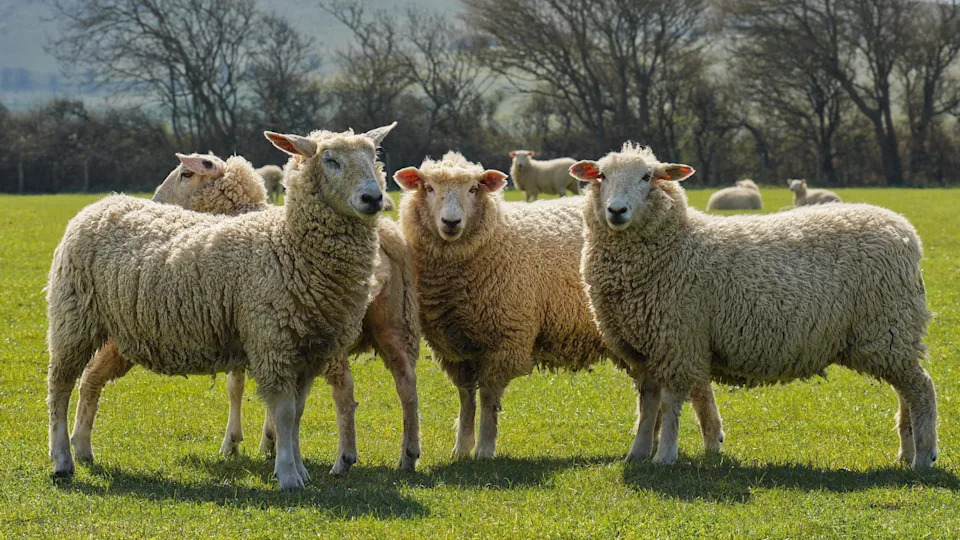
Sheep, cattle, goats, deer and camelids such as llamas and alpacas are affected by the disease [Getty Images]
In July, pre-emptive vaccination permission brought Northern Ireland into line with the rest of the UK.
It is a notifiable disease so anyone suspecting their animals may have it must report it to to a vet, local divisional veterinary office or to Daera directly.
Biting midges are most active from April to November and the potential for spread depends on climatic conditions and wind patterns with lower temperatures significantly reducing the risk, the department said.
As of 1 July, England became a bluetongue restricted zone, which meant that livestock within the country could move freely, but to move them across the border meant farmers had to test each animal, at a cost of about £70 – which impacted agricultural shows.
On 10 November, the Welsh government eased bluetongue restrictions by issuing a nationwide restricted zone, allowing cross-border movement.
‘Collaborative and supportive approach’
Daera Chief Veterinary Officer Brian Dooher said the virus is unpredictable and can spread rapidly between flocks and herds.
“I would urge all farmers to ensure they source their animals responsibly,” he said.
“All livestock owners should remain vigilant for signs of the disease.”
The Republic of Ireland’s agriculture minister, Martin Heydon, said his thoughts are with the affected farm family.
“The news of a suspect bluetongue outbreak in Northern Ireland is unwelcome,” he said.
“If the disease becomes established in one part of the island, it will be that much easier for it to spread, with consequences for animal health and welfare, and financial and emotional stress for farmers.
“I will be engaging closely with Minister Muir on this and ensuring that we continue to take a collaborative and supportive approach, building on the very close relationships already in place on animal disease control north and south.”
Analysis: ‘An outbreak seemed inevitable’
By Louise Cullen, BBC News NI’s Agriculture and environment correspondent
Bluetongue virus is one element of a triple threat of animal diseases that, earlier this year, the agriculture environment and rural affairs minister warned the agri-food industry faced.
While the virus has no effect on people or food safety, it could have a significant impact on livestock and the rural economy. Vaccination of livestock against the disease has been permitted since the summer, with vets warning then that an outbreak seemed inevitable.
The hope now is that tight movement restrictions, combined with cold weather, will help limit any potential spread of the disease.
But this detection has come as a blow to a sector beleaguered by costs, incoming taxation changes, and other disease threats.