
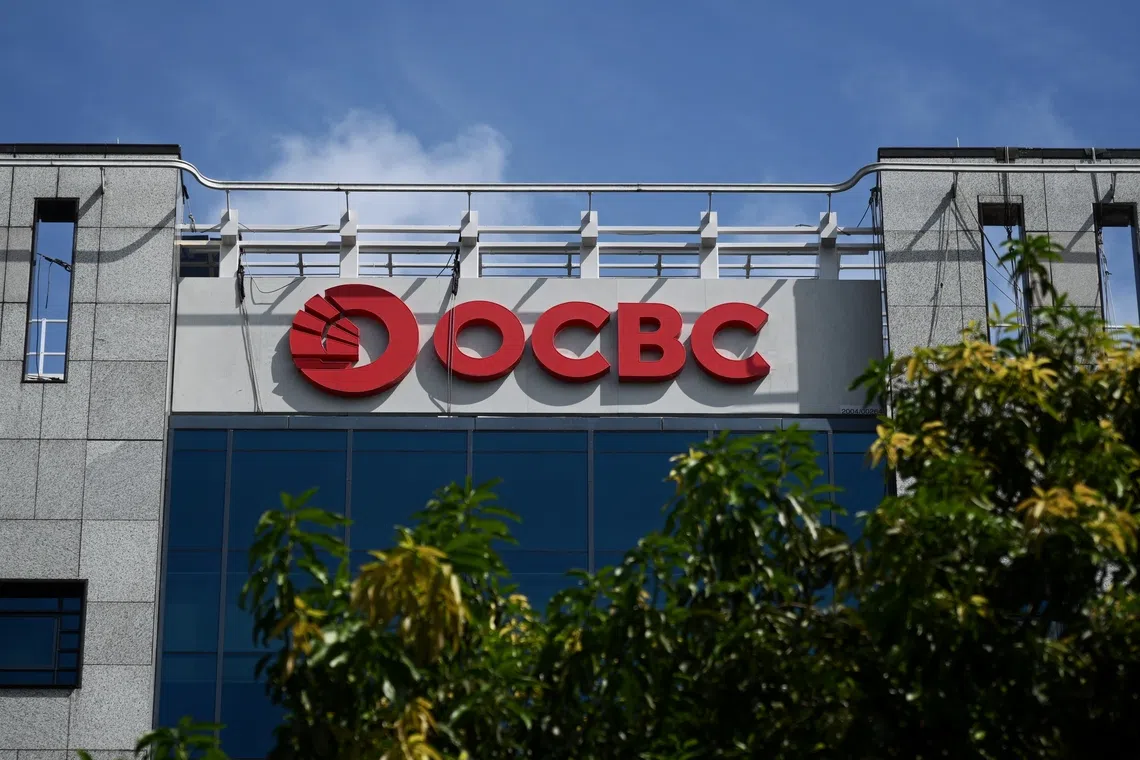
SINGAPORE – OCBC app users will be able to scan Weixin Pay (WeChat Pay) QR codes and pay merchants in China by the first quarter of 2026.
It builds on the app’s existing ability to scan and pay through Alipay+ and UnionPay merchant QR codes.
The new feature comes after an expanded partnership with UnionPay International on Nov 28, OCBC said on Dec 1.
Customers of OCBC Singapore travelling to China are expected to benefit from the new feature, as the payments are debited directly from their accounts, with no need to use other apps.
The bank said that customers will be able to enjoy “competitive, real-time exchange rates with no additional fees”.
QR-code cashless payments are the primary way people pay in China for transportation, groceries, utilities, medical bills and restaurants, as well as peer-to-peer transfers and more. Alipay and WeChat Pay dominate China’s mobile payment market, accounting for over 90 per cent of transactions.
Singapore’s second-largest bank by assets noted that the scan-and-pay feature has seen payment volumes increasing 11 per cent year on year while the number of active users are up 67 per cent.
Mr Sunny Quek, head of global consumer financial services at OCBC, said: “QR payments are the norm in mainland China and have been for some time now. For customers who travel there, our goal is to enable them to pay like a local.”
“Beyond China, our Scan & Pay feature also connects to QR payment networks across 48 countries, giving OCBC app users the most comprehensive QR payment coverage,” he added.

(From left) Managing Director of UnionPay SEA Jian Jiangtao, CEO of UnionPay Wang Lixin, Head of Global Consumer Financial Services OCBC Sunny Quek and Singapore Country Manager of UnionPay Carine Low at the media release event.
PHOTO: OCBC
OCBC in November said its app added eight digital wallets across South-east Asia, with the number of wallets on the app rising to 10.
Including Weixin Pay and Alipay, the 10 wallets collectively represent a total user base of up to 2.72 billion.
The foreign workforce in Singapore is expected to benefit the most, as many still rely on slower and costlier over-the-counter services, cash agents or manual bank transfers, the bank added.
Over at DBS Bank, a spokesperson said DBS PayLah! users have been able to scan and pay with UnionPay’s existing QR Code payment network of brick-and-mortar retailers since 2022.
“We’ve seen strong growth in everyday spending in China. In the first half of 2025, we saw 153 per cent year-on-year increase in volume for payments made via AliPay, WeChat Pay and UnionPay QR using DBS PayLah! in China. Customers who used these modes of payment for their China spend also more than doubled in the same period,” the spokesperson said.
Financial servicesBanks and financial institutionsChinaPayment systems