
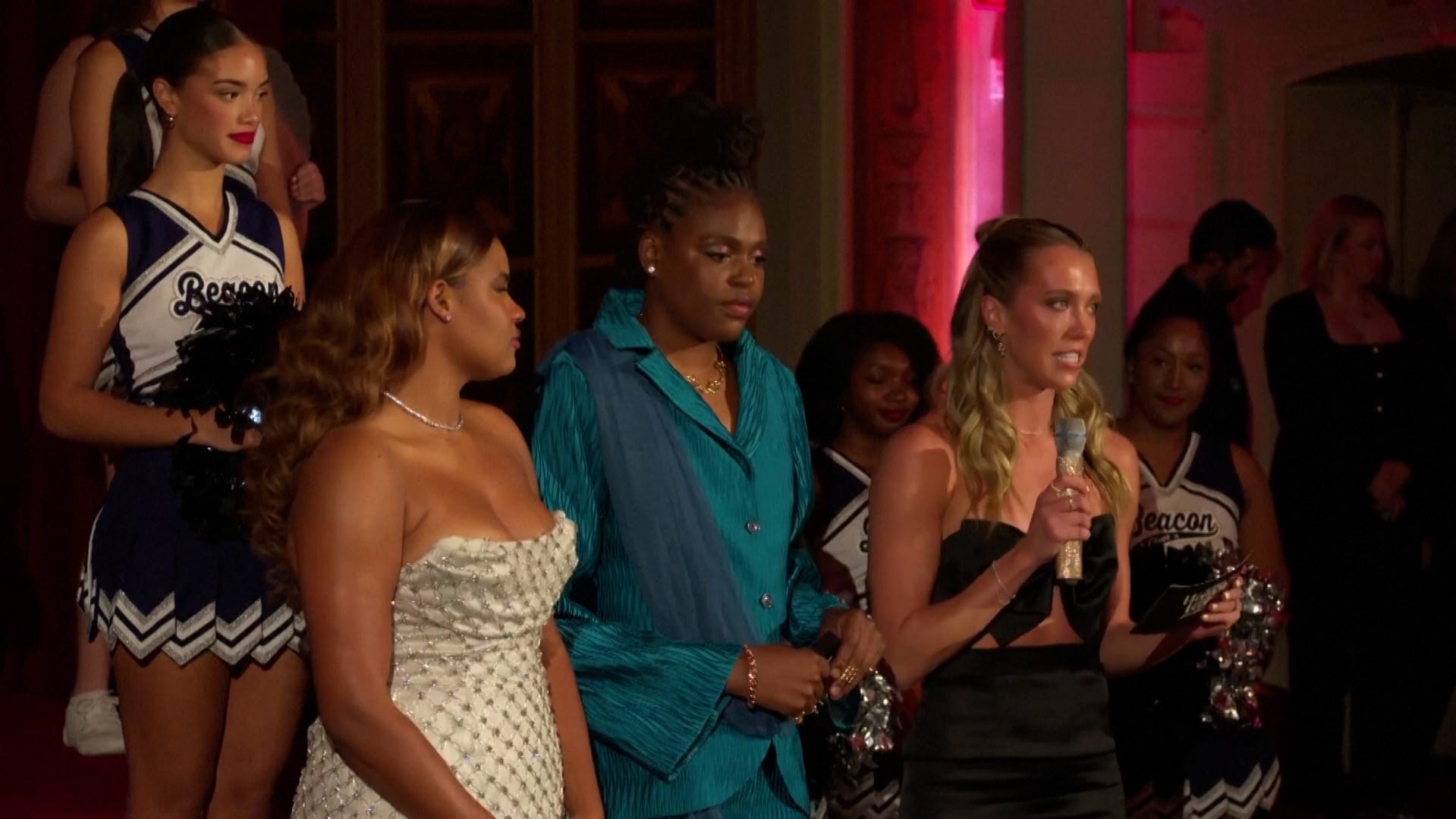

Lexie Hull mentions WNBA’s CBA negotiations at Glamour awards
Indiana Fever player Lexie Hull was among the honorees for the 2025 Glamour Women of the Year.
The WNBA and WNBPA extended their collective bargaining agreement for a second time, with the deadline to reach a settlement pushed back by six weeks.
Both sides had until 11:59 ET on Sunday, Nov. 30 to reach a deal, or the collective bargaining agreement would have expired. The extension temporarily eliminates the possibility of a work stoppage, be it a player-initiated strike or owner-initiated lockout. The WNBA has not had a work stoppage in its nearly 30-year existence.
“The WNBA and WNBPA have agreed to extend the current collective bargaining agreement through January 9, 2026, with either party having the option to terminate the extension with 48 hours’ advance notice. The WNBA and WNBPA are continuing to work toward a new agreement,” the league said in a statement.
By extending the CBA, the WNBA offseason can proceed as scheduled. Though the expansion draft, usually held in December, is unlikely to take place until a CBA is ratified. The same applies to free agency, which typically begins in January.
The current CBA was set to expire on Oct. 31 after the WNBPA exercised its right to opt out of the agreement in October 2024. The WNBA and players association, however, agreed to a 30-day extension to extend the deadline to Nov. 30 to allow more time for a deal to be reached. The extension came with a clause that allowed players to opt out with 48 hours’ notice to “keep the pressure on” and prevent negotiations “from going in circles,” WNBPA president Nneka Ogwumike shared in a Facebook post.
Revenue sharing and pay structure remain points of contention in negotiations.
Earlier this month, the WNBA reportedly proposed a $1.1 million maximum salary, available to more than one player per team, in addition to league minimum of more than $220,000 and an average salary of more than $460,000. Those salaries would increase over the length of the CBA at higher rate than previous years.
But the players’ union does not believe the league’s proposed CBA includes appropriate player salary growth in conjunction with the league’s business over time. Players are seeking a new salary model that ties salaries to league revenue, instead of the current fixed salary system. Player salaries and the team cap increased by 3% each season, and WNBA players receive about 9% of revenue sharing under the old CBA.
By comparison, NBA and NHL players get 50% of the league’s revenue and NFL players 48%.
The WNBA salary cap last season was $1.5 million, and players have been vocal about wanting a bigger piece of the pie, especially since the league’s new 11-year media rights deal, valued at approximately $2.2 billion, begins in 2026.
Last season, the minimum salary was $66,079, while the supermax was worth $249,244. Only five WNBA players made more than $225,000 last season and they included Kelsey Mitchell at $269,244, Arike Ogunbowale at $249,032, Jewell Loyd, at $249,032, Kahleah Copper at $248,134 and Gabby Williams at $225,000
League MVP A’ja Wilson made $200,000 in base salary in 2025. Because they are on rookie deals, Caitlin Clark’s base salary was $78,066 and Angel Reese $74,909.
“We feel like we are owed a piece of that pie that we helped to create,” WNBPA Vice President Napheesa Collier said after players wore “Pay Us What You Owe Us” T-shirts ahead of the 2025 WNBA All Star Game in July.